Welcome to Renqiu Aorun Heating Equipment Co., LTD.!


Maximizing Comfort and Savings with Energy Efficient Heat Pumps
Release Time:
Sep 09,2026
In recent years, energy-efficient heat pumps have gained significant traction as an effective solution for both heating and cooling needs in residential settings. These innovative devices utilize advanced technology to transfer heat rather than generating it through combustion, making them a sustainable alternative to traditional heating methods, such as gas heaters. Energy-efficient heat pumps o
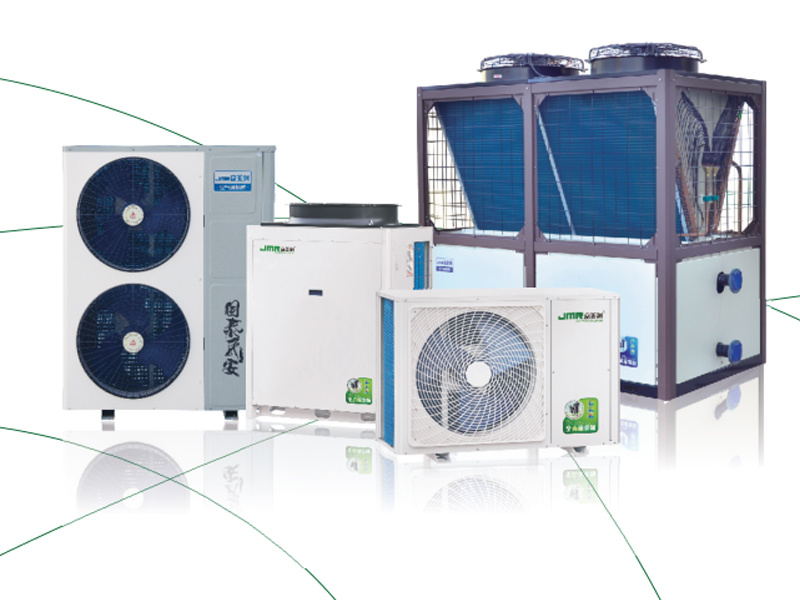
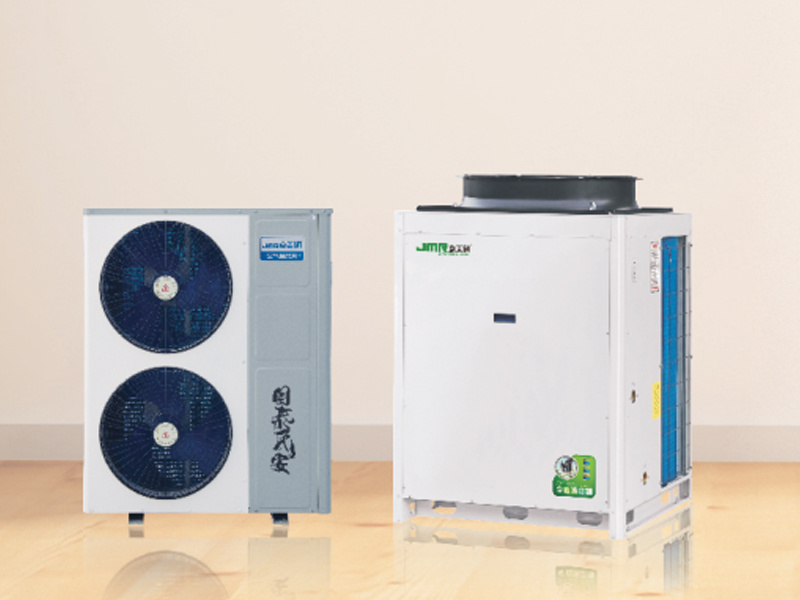
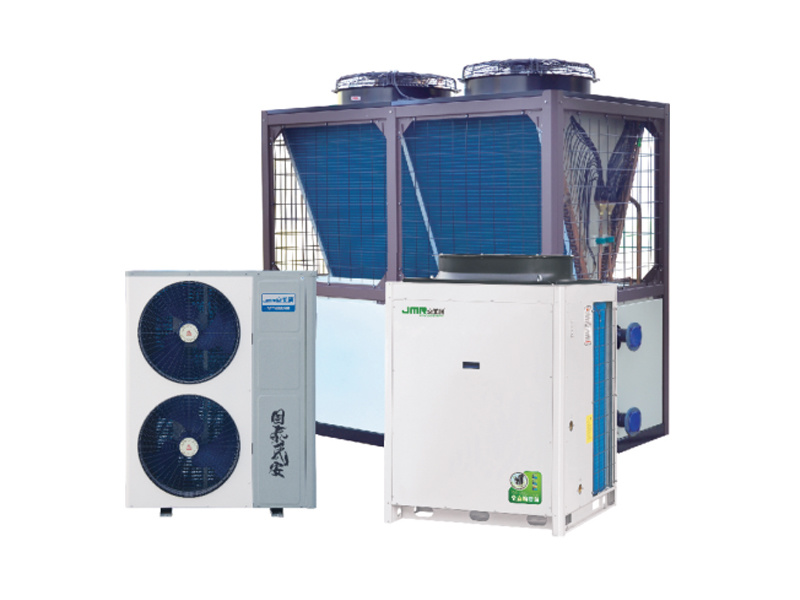
In recent years, energy-efficient heat pumps have gained significant traction as an effective solution for both heating and cooling needs in residential settings. These innovative devices utilize advanced technology to transfer heat rather than generating it through combustion, making them a sustainable alternative to traditional heating methods, such as gas heaters.
Energy-efficient heat pumps operate by extracting heat from the outside air or ground and transferring it indoors during the winter months. Conversely, in the summer, the process reverses, allowing the pump to expel heat from the interior to the outside, thereby providing cooling. This dual functionality not only enhances year-round comfort but also contributes substantially to energy savings.
One of the key advantages of using energy-efficient heat pumps is their ability to reduce electricity usage. Compared to conventional gas heating systems, heat pumps can achieve efficiencies of 300% to 400%, meaning they can produce three to four units of heat for every unit of electricity consumed. This remarkable efficiency can lead to significant reductions in energy bills, making them an appealing choice for environmentally conscious consumers and those looking to reduce their energy expenditures.
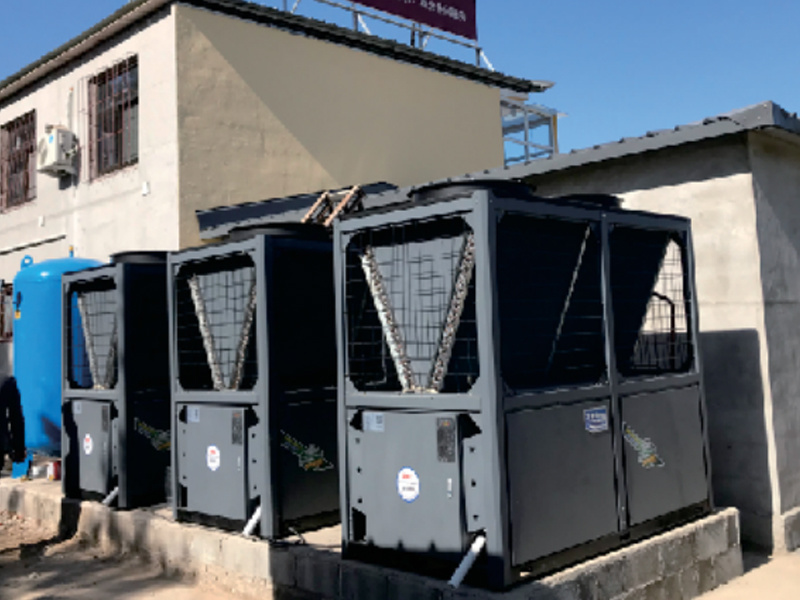
When considering the installation of an energy-efficient heat pump, there are a few important factors to evaluate. First, it’s crucial to assess the climate in your region. While these heat pumps perform efficiently in moderate climates, their effectiveness can decline in extremely cold temperatures. In such cases, a supplemental heating source may be necessary. Additionally, proper sizing of the heat pump is essential to ensure optimal performance—an undersized unit may struggle to meet heating demands, while an oversized one can lead to inefficient operation and increased wear.
Moreover, the installation process should be conducted by qualified professionals to ensure that the system functions effectively. Proper insulation and sealing of your home can further enhance the efficiency of the heat pump, minimizing energy loss and maximizing comfort.
In conclusion, energy-efficient heat pumps represent a sustainable and cost-effective solution for heating and cooling your home. Their unique ability to transfer heat, coupled with impressive efficiency ratings, positions them as a modern alternative to conventional gas heating systems. By carefully considering your specific needs and climate, you can enjoy the benefits of energy-efficient heat pumps while contributing to a more sustainable future. Embrace the potential of energy-efficient heat pumps and take a step towards a greener, more comfortable home environment.
Energy-efficient heat pumps operate by extracting heat from the outside air or ground and transferring it indoors during the winter months. Conversely, in the summer, the process reverses, allowing the pump to expel heat from the interior to the outside, thereby providing cooling. This dual functionality not only enhances year-round comfort but also contributes substantially to energy savings.
One of the key advantages of using energy-efficient heat pumps is their ability to reduce electricity usage. Compared to conventional gas heating systems, heat pumps can achieve efficiencies of 300% to 400%, meaning they can produce three to four units of heat for every unit of electricity consumed. This remarkable efficiency can lead to significant reductions in energy bills, making them an appealing choice for environmentally conscious consumers and those looking to reduce their energy expenditures.
When considering the installation of an energy-efficient heat pump, there are a few important factors to evaluate. First, it’s crucial to assess the climate in your region. While these heat pumps perform efficiently in moderate climates, their effectiveness can decline in extremely cold temperatures. In such cases, a supplemental heating source may be necessary. Additionally, proper sizing of the heat pump is essential to ensure optimal performance—an undersized unit may struggle to meet heating demands, while an oversized one can lead to inefficient operation and increased wear.
Moreover, the installation process should be conducted by qualified professionals to ensure that the system functions effectively. Proper insulation and sealing of your home can further enhance the efficiency of the heat pump, minimizing energy loss and maximizing comfort.
In conclusion, energy-efficient heat pumps represent a sustainable and cost-effective solution for heating and cooling your home. Their unique ability to transfer heat, coupled with impressive efficiency ratings, positions them as a modern alternative to conventional gas heating systems. By carefully considering your specific needs and climate, you can enjoy the benefits of energy-efficient heat pumps while contributing to a more sustainable future. Embrace the potential of energy-efficient heat pumps and take a step towards a greener, more comfortable home environment.
Key words:
What Else Might You Learn?