Welcome to Renqiu Aorun Heating Equipment Co., LTD.!


Experience Comfort: The Advantages of Energy Efficient Heat Pumps
Release Time:
May 08,2026
Experience Comfort: The Advantages of Energy Efficient Heat Pumps Table of Contents Introduction to Heat Pumps What is a Heat Pump? Benefits of Energy Efficient Heat Pumps Lower Energy Costs Reduced Environmental Impact Versatility in Functionality Increased Property Value How Heat Pumps Work Types of Heat
Experience Comfort: The Advantages of Energy Efficient Heat Pumps
Table of Contents
- Introduction to Heat Pumps
- What is a Heat Pump?
- Benefits of Energy Efficient Heat Pumps
- Lower Energy Costs
- Reduced Environmental Impact
- Versatility in Functionality
- Increased Property Value
- How Heat Pumps Work
- Types of Heat Pumps
- Heat Pump Installation Process
- Maintenance and Care for Heat Pumps
- Common Issues and Fixes
- Conclusion
- Frequently Asked Questions
Introduction to Heat Pumps
The quest for comfort and efficiency in our homes is more crucial than ever, especially as energy costs continue to rise. **Energy-efficient heat pumps** stand out as a solution that not only enhances comfort but also contributes to long-term savings. This article delves into the advantages of using heat pumps, how they operate, and essential insights about installation and maintenance to ensure optimal performance.
What is a Heat Pump?
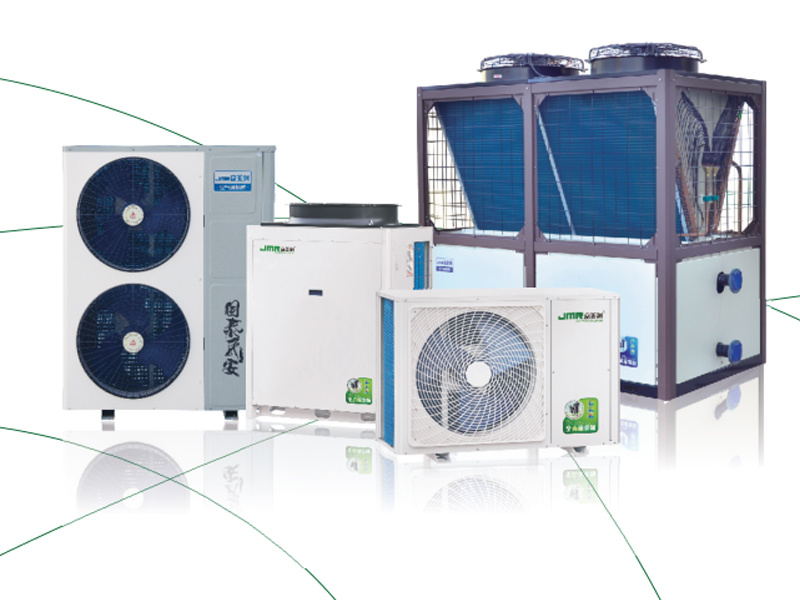
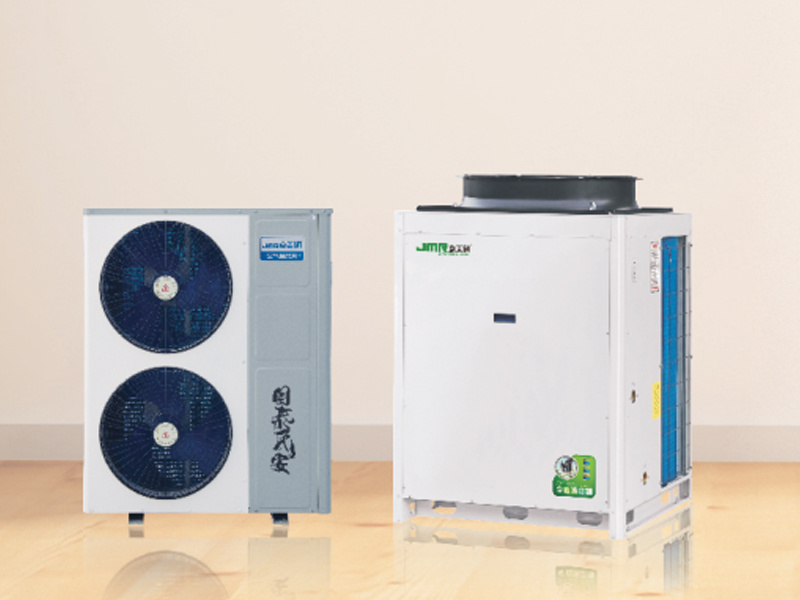
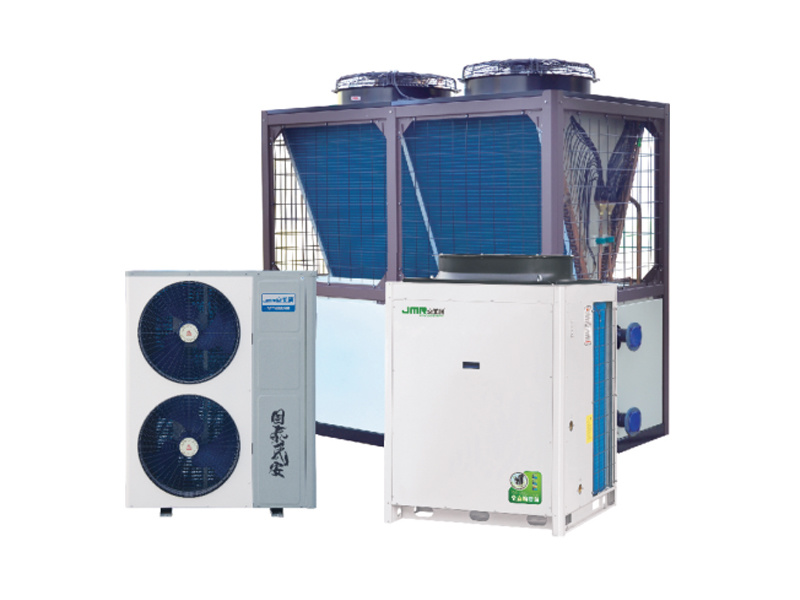
A **heat pump** is a device that transfers heat from one place to another, using a refrigeration cycle to either heat or cool a space. Unlike traditional heating systems that convert fuel into heat, heat pumps move heat energy, making them a more sustainable choice. By utilizing the ambient temperature of the air, ground, or water, they provide significant energy savings while maintaining a comfortable indoor climate.
Benefits of Energy Efficient Heat Pumps
Energy-efficient heat pumps offer numerous advantages that make them increasingly popular among homeowners.
Lower Energy Costs
One of the primary benefits of heat pumps is their **cost-effectiveness**. By consuming less energy than conventional heating systems, they can drastically reduce utility bills. According to the U.S. Department of Energy, heat pumps can be **up to 300% more efficient** than traditional heating systems, leading to substantial savings over time.
Reduced Environmental Impact
Heat pumps contribute to a **greener environment** by minimizing greenhouse gas emissions. As they operate using electricity rather than fossil fuels, they can significantly decrease your carbon footprint, especially if powered by renewable energy sources. Transitioning to heat pumps aligns with the global push for sustainability, making them an eco-friendly choice for environmentally conscious homeowners.
Versatility in Functionality
Heat pumps are versatile, offering both heating and cooling functionalities. This dual capability means you can use them year-round, simplifying your home climate control. During warmer months, heat pumps can efficiently extract heat from your home and release it outside, providing a cooling effect. This flexibility makes heat pumps an **all-in-one solution** for your heating and cooling needs.
Increased Property Value
Investing in an energy-efficient heat pump can enhance your property’s value. As homeowners become more aware of energy efficiency, having a heat pump installed can make your home more attractive in the real estate market. Potential buyers often view energy-efficient systems as a major selling point, contributing to higher offers and quicker sales.
How Heat Pumps Work
Heat pumps operate on the principle of heat transfer. They use a refrigerant that absorbs heat from a source and transfers it indoors. The basic components include:
- **Evaporator Coil**: Absorbs heat from the air, ground, or water.
- **Compressor**: Increases the temperature of the refrigerant through compression.
- **Condenser Coil**: Releases the absorbed heat into the indoor space.
- **Expansion Valve**: Regulates the flow of refrigerant in the system.
By reversing this cycle, heat pumps can effectively heat or cool your home, retaining **energy efficiency** throughout the process.
Types of Heat Pumps
Understanding the different types of heat pumps can help you choose the right one for your needs.
Air Source Heat Pumps
Air source heat pumps extract heat from the outside air. They are the most common type and are typically easier and less expensive to install. These pumps work efficiently even in cooler temperatures, providing reliable heating for many climates.
Ground Source Heat Pumps
Also known as geothermal heat pumps, these systems extract heat from the ground. They are highly efficient and can provide significant savings on energy costs, but their installation can be more complex and costly due to the need for underground piping.
Water Source Heat Pumps
Water source heat pumps utilize bodies of water, such as lakes or wells, to extract heat. They are particularly efficient but require proximity to water sources, making them less common than the other types.
Heat Pump Installation Process
Installing a heat pump involves several steps:
1. **Assessment**: A professional will assess your home’s heating and cooling needs.
2. **Choosing the Right System**: Based on the assessment, you’ll select the most suitable type of heat pump.
3. **Installation**: The installation process includes placing the indoor and outdoor units, connecting them, and ensuring refrigerant lines and electrical connections are secure.
4. **Testing**: Once installed, the system is tested for efficiency and performance, ensuring everything operates as expected.
Proper installation is crucial for maximizing the efficiency and longevity of your heat pump.
Maintenance and Care for Heat Pumps
To ensure a heat pump operates efficiently, regular maintenance is necessary. Key maintenance tasks include:
- **Cleaning or replacing filters**: Clogged filters can restrict airflow and reduce efficiency.
- **Inspecting ductwork**: Leaks in ductwork can lead to energy loss.
- **Checking refrigerant levels**: Low refrigerant levels can hinder performance.
- **Professional servicing**: Schedule annual professional maintenance to ensure all components function correctly.
By staying on top of maintenance, you will keep your heat pump running efficiently and extend its lifespan.
Common Issues and Fixes
Heat pumps, like any mechanical system, can encounter problems. Some common issues include:
- **Inadequate heating or cooling**: This could be due to dirty filters or refrigerant leaks.
- **Strange noises**: Unusual sounds often indicate mechanical issues that require professional attention.
- **High energy bills**: If you notice a sudden spike in energy costs, it may signal inefficiency, potentially caused by worn-out components or a need for maintenance.
Addressing these issues promptly can save you money and prevent larger repairs down the line.
Conclusion
Energy-efficient heat pumps are an excellent investment for homeowners seeking comfort, savings, and sustainability. With their ability to provide both heating and cooling, lower energy costs, and minimal environmental impact, heat pumps represent a modern solution to home climate control. As the demand for energy efficiency continues to rise, embracing technology like heat pumps can significantly enhance your living environment while contributing to a greener planet.
Frequently Asked Questions
1. How long do heat pumps last?
Heat pumps typically last 15 to 20 years with proper maintenance.
2. Are heat pumps effective in cold climates?
Yes, modern heat pumps are designed to operate efficiently in cold climates, although their performance may decrease in extreme conditions.
3. Can I install a heat pump myself?
While some aspects might be DIY-friendly, professional installation is recommended for optimal efficiency and safety.
4. How much energy can I save with a heat pump?
Homeowners can save between 20% and 50% on heating costs compared to traditional systems.
5. Do heat pumps require special maintenance?
While they require standard HVAC maintenance, heat pumps have specific needs like checking refrigerant levels and cleaning filters more frequently.
By embracing **energy-efficient heat pumps**, you not only enhance your home’s comfort but also make a significant step toward sustainability and long-term cost savings.
Key words:
What Else Might You Learn?