Welcome to Renqiu Aorun Heating Equipment Co., LTD.!


High Efficiency Air Source Heat Pumps: The Eco-Friendly Heating Solution You Need
Release Time:
Jun 23,2026
High Efficiency Air Source Heat Pumps: The Eco-Friendly Heating Solution You Need Table of Contents What Are Air Source Heat Pumps? How Do Air Source Heat Pumps Work? Benefits of Air Source Heat Pumps Energy Efficiency and Savings with Air Source Heat Pumps The Installation Process of Air Source Heat Pumps Maintenance of Air Source Heat Pumps Cost of Air Source Heat Pu
High Efficiency Air Source Heat Pumps: The Eco-Friendly Heating Solution You Need
Table of Contents
- What Are Air Source Heat Pumps?
- How Do Air Source Heat Pumps Work?
- Benefits of Air Source Heat Pumps
- Energy Efficiency and Savings with Air Source Heat Pumps
- The Installation Process of Air Source Heat Pumps
- Maintenance of Air Source Heat Pumps
- Cost of Air Source Heat Pumps
- Frequently Asked Questions (FAQs)
What Are Air Source Heat Pumps?
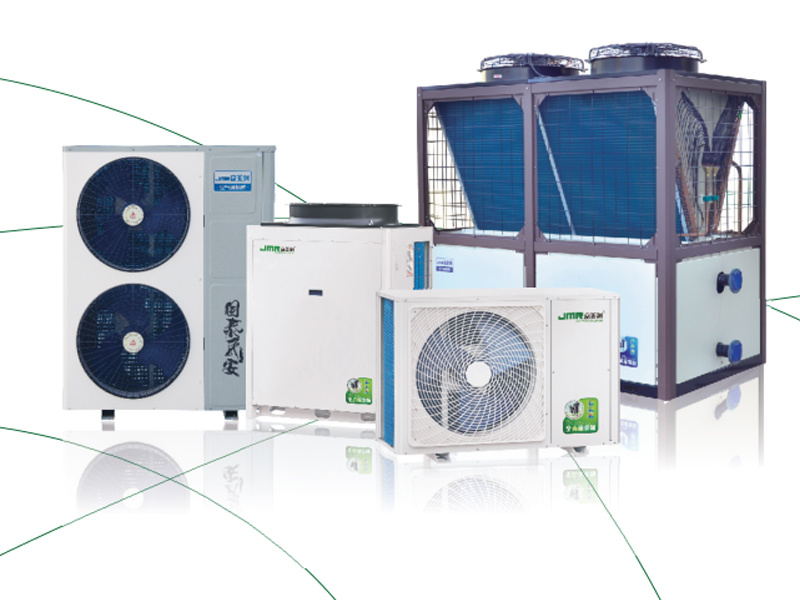
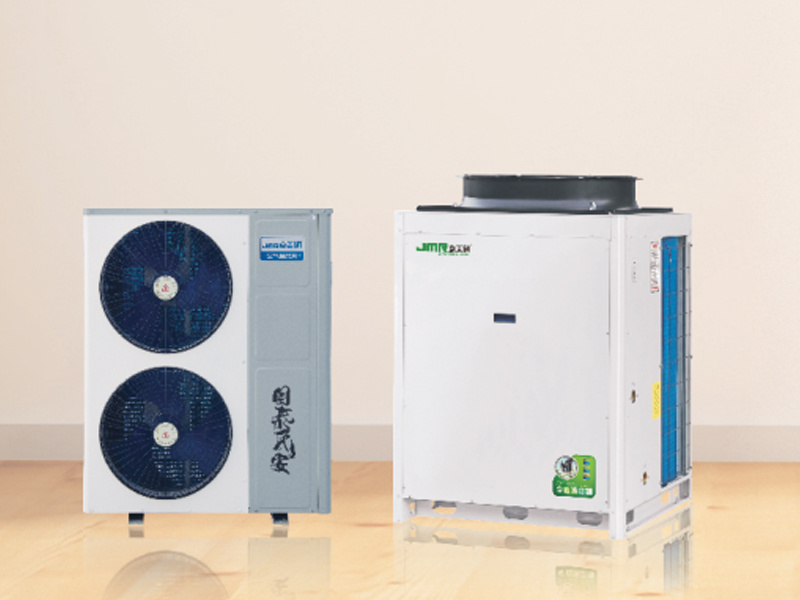
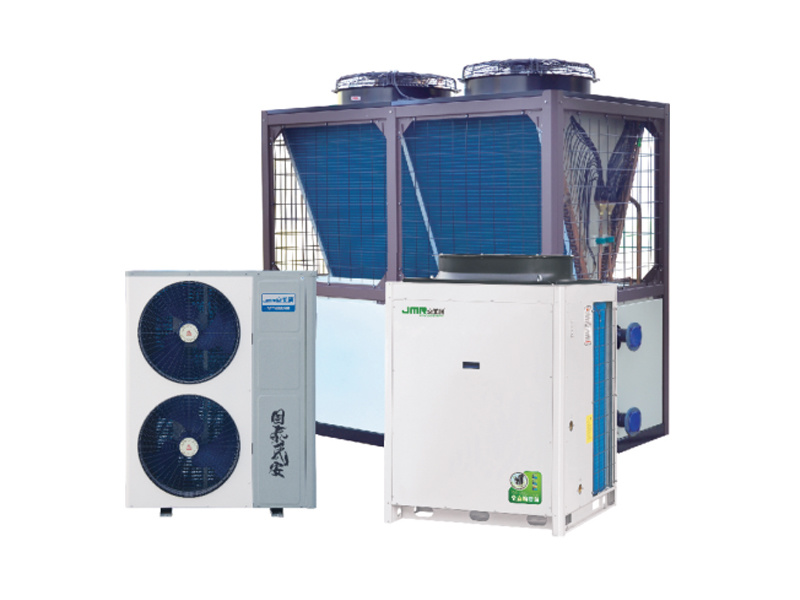
Air source heat pumps are **highly efficient heating and cooling systems** that utilize the ambient air outside to regulate indoor temperatures. They extract heat from the air, even in colder climates, and transfer it indoors. Conversely, they can also cool your home by removing heat from inside and releasing it outside. This dual functionality makes them an **ideal solution for year-round comfort**.
The Science Behind Air Source Heat Pumps
The operation of air source heat pumps is based on the principles of thermodynamics. These systems contain a **refrigerant** that absorbs heat from the outside air and vaporizes. The vaporized refrigerant is then compressed to increase its temperature before it is circulated indoors. This process creates a **consistent and comfortable indoor environment** without relying heavily on traditional fossil fuels.
How Do Air Source Heat Pumps Work?
Understanding how air source heat pumps function can help you appreciate their benefits. Here’s a detailed breakdown of the **operational process**:
1. Heat Absorption
The heat pump’s evaporator coil absorbs heat from the outside air. Even when temperatures are low, heat is present in the air.
2. Compression of Refrigerant
The absorbed heat causes the refrigerant to evaporate into gas. The compressor then compresses this gas, raising its pressure and temperature.
3. Heat Transfer Inside
The hot gas moves to the condenser coil inside your home, where it releases its heat, warming the indoor air. The refrigerant then cools and returns to its liquid state.
4. Cycle Continuation
The cycle repeats, providing a **continuous supply of heat** until the desired indoor temperature is reached.
Benefits of Air Source Heat Pumps
Air source heat pumps offer numerous advantages that make them an attractive option for homeowners seeking efficient heating solutions.
1. Energy Efficiency
These systems can produce three to four times more energy than they consume, leading to **significant reductions in energy bills**. They are often rated with a seasonal energy efficiency ratio (SEER) or heating seasonal performance factor (HSPF) that reflects their efficiency.
2. Environmental Impact
By using renewable energy from the air, air source heat pumps help reduce **greenhouse gas emissions**. This eco-friendly approach can significantly lower your carbon footprint.
3. Versatility
Air source heat pumps can serve as both heating and cooling systems, providing year-round climate control. This versatility makes them a **cost-effective solution** for homeowners.
4. Low Maintenance Costs
Once installed, air source heat pumps require minimal maintenance compared to traditional heating systems. Regular checks and filter changes can keep them running efficiently.
5. Incentives and Rebates
Many governments offer incentives or rebates for installing energy-efficient systems, which can offset the initial costs of air source heat pumps.
Energy Efficiency and Savings with Air Source Heat Pumps
In today’s energy-conscious world, the efficiency of heating systems is paramount. Air source heat pumps excel in this area, providing substantial savings on energy bills.
Understanding the Energy Rating Systems
Air source heat pumps are generally rated using SEER and HSPF, which measure their efficiency and effectiveness. A higher rating indicates better performance, leading to **lower operational costs**.
Calculating Potential Savings
The potential savings from using an air source heat pump depend on several factors, including local climate, energy prices, and the efficiency of the existing heating system. On average, homeowners can save **30-40% on heating costs**.
The Installation Process of Air Source Heat Pumps
Proper installation is crucial for the optimal functioning of air source heat pumps. Here’s what you can expect during the installation process:
1. Initial Assessment
A qualified technician will assess your home’s heating needs, considering factors such as size, insulation, and existing heating systems.
2. Choosing the Right System
Based on the assessment, the technician will recommend a suitable air source heat pump tailored to your home's requirements.
3. Installation
The installation involves placing the outdoor unit in a shaded area to maximize efficiency and connecting it to the indoor unit. The technician will ensure that all electrical connections and refrigerant lines are properly installed.
4. Testing and Calibration
Once installed, the system will be tested to ensure it operates efficiently. The technician will calibrate the settings based on your preferences.
Maintenance of Air Source Heat Pumps
Although air source heat pumps require less maintenance than conventional heating systems, routine care is essential for longevity and efficiency.
1. Regular Filter Changes
Changing or cleaning the air filters every few months is crucial for maintaining air quality and efficiency. Dirty filters can restrict airflow and decrease efficiency.
2. Annual Professional Inspections
Scheduling professional inspections annually can help identify and resolve potential issues before they escalate. Technicians will check the refrigerant levels, electrical connections, and overall system performance.
3. Clearing the Outdoor Unit
Keeping the outdoor unit clear of debris, ice, and snow ensures optimal performance. Regularly check the area around the unit to maintain airflow.
Cost of Air Source Heat Pumps
The cost of installing air source heat pumps can vary significantly based on several factors, including system size, brand, and installation complexity.
1. Average Installation Costs
On average, the cost of installation ranges from $3,500 to $8,000, including the unit and installation fees. However, high-efficiency models may cost more upfront but provide greater energy savings over time.
2. Long-term Savings
While the initial investment may be higher than traditional heating solutions, the long-term savings on energy bills and potential rebates can make air source heat pumps a financially wise choice.
3. Financing Options
Many companies offer financing plans that can help spread the costs over time, making it easier for homeowners to invest in energy-efficient heating solutions.
Frequently Asked Questions (FAQs)
1. What is the lifespan of an air source heat pump?
Air source heat pumps typically last between 15 to 20 years with proper maintenance.
2. Can air source heat pumps work in very cold climates?
Yes, air source heat pumps can operate efficiently in cold climates, although their performance may decrease slightly as temperatures drop.
3. How much can I save on energy bills with an air source heat pump?
Homeowners can generally save 30-40% on heating costs compared to traditional systems.
4. Do air source heat pumps require a lot of maintenance?
Air source heat pumps are relatively low-maintenance, requiring regular filter changes and annual professional inspections.
5. Are there any government rebates available for installing air source heat pumps?
Many governments and utility companies offer incentives and rebates for installing energy-efficient systems, including air source heat pumps.
Conclusion
High efficiency air source heat pumps represent a **revolutionary shift** in heating technology, combining energy efficiency, cost savings, and environmental responsibility. By harnessing the power of the air around us, these systems offer a sustainable and innovative solution to meet your home heating needs. As we shift towards greener energy solutions, investing in air source heat pumps can significantly reduce your carbon footprint while enhancing your home’s comfort. Embrace the future of heating with air source heat pumps, and make a positive impact on both your wallet and the planet.
Key words:
What Else Might You Learn?