Welcome to Renqiu Aorun Heating Equipment Co., LTD.!


Maximizing Comfort: The Comprehensive Guide to Cold Temperature Heat Pumps in Winter
Release Time:
May 02,2026
Maximizing Comfort: The Comprehensive Guide to Cold Temperature Heat Pumps in Winter Table of Contents 1. Understanding Cold Temperature Heat Pumps 2. How Cold Temperature Heat Pumps Work 3. Benefits of Cold Temperature Heat Pumps in Winter 4. Energy Efficiency and Cost Savings 5. The Installation Process of Cold Temperature Heat Pumps 6. Maintenance Tips for Cold Temperat
Maximizing Comfort: The Comprehensive Guide to Cold Temperature Heat Pumps in Winter
Table of Contents
- 1. Understanding Cold Temperature Heat Pumps
- 2. How Cold Temperature Heat Pumps Work
- 3. Benefits of Cold Temperature Heat Pumps in Winter
- 4. Energy Efficiency and Cost Savings
- 5. The Installation Process of Cold Temperature Heat Pumps
- 6. Maintenance Tips for Cold Temperature Heat Pumps
- 7. Common Misconceptions about Heat Pumps
- 8. Frequently Asked Questions
- 9. Conclusion
1. Understanding Cold Temperature Heat Pumps
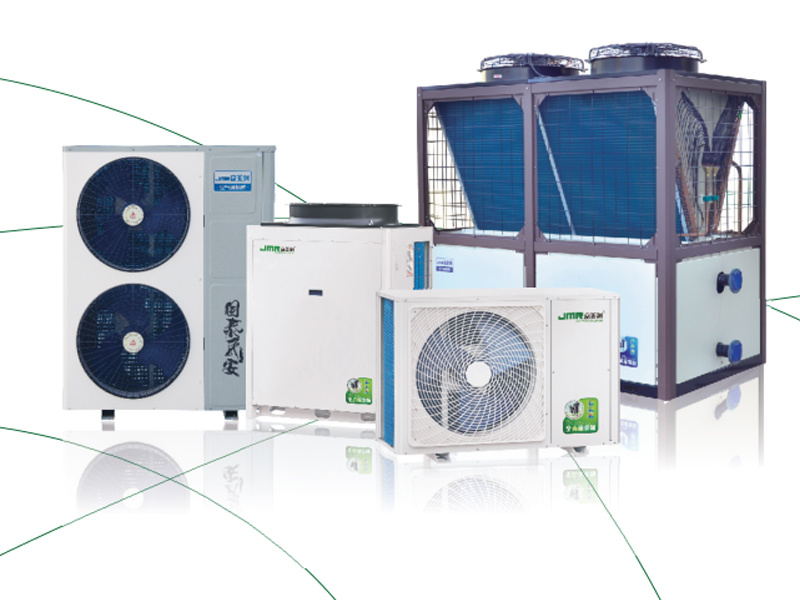
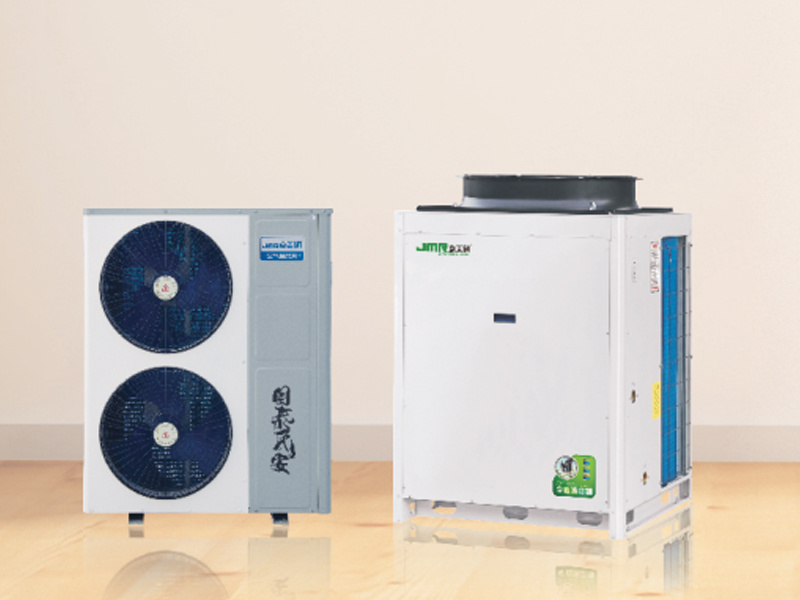
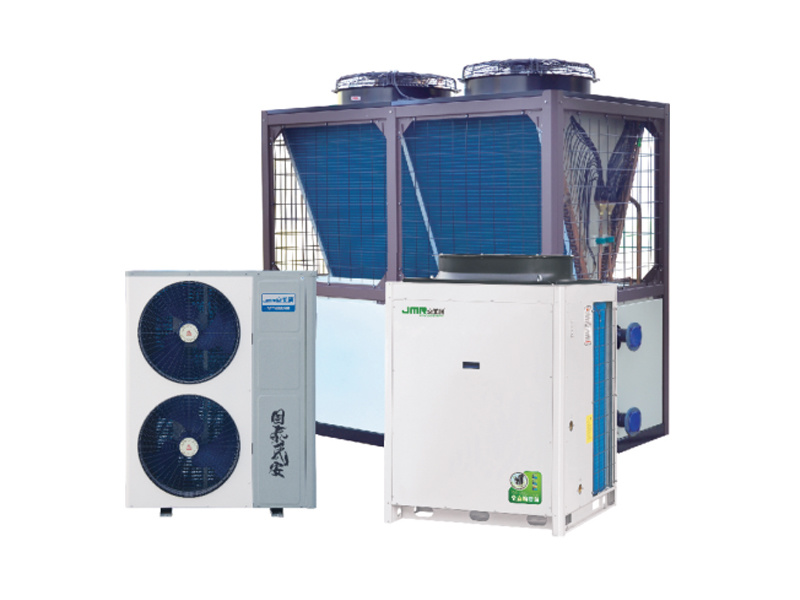
Cold temperature heat pumps are advanced heating systems designed to operate efficiently in low outdoor temperatures. These units utilize a refrigeration cycle to extract heat from the air, even when it's chilly outside, making them suitable for various climates. Unlike traditional heating systems, which often rely on fuel combustion, cold temperature heat pumps use electricity to transfer heat, offering a more environmentally friendly solution.
As the demand for sustainable and efficient heating solutions rises, these heat pumps are gaining popularity in both residential and commercial settings. Their ability to perform effectively in extreme cold sets them apart from conventional heat pump systems, which may struggle when temperatures drop significantly.
2. How Cold Temperature Heat Pumps Work
Understanding how cold temperature heat pumps operate is crucial for recognizing their benefits. At their core, these systems consist of four primary components: the evaporator, compressor, condenser, and expansion valve. Here’s a breakdown of the process:
1. **Heat Absorption**: The system draws in cold air from the outside environment, where the refrigerant in the evaporator absorbs heat, even in freezing conditions.
2. **Compression**: The compressor raises the temperature and pressure of the refrigerant gas, making it suitable for heat transfer.
3. **Heat Release**: The hot gas moves to the condenser, where it releases heat into the indoor space, warming the area.
4. **Expansion**: After releasing its heat, the refrigerant expands and cools down, returning to the evaporator to restart the cycle.
This efficient cycle allows cold temperature heat pumps to provide consistent warmth indoors, regardless of the outdoor temperature.
3. Benefits of Cold Temperature Heat Pumps in Winter
The advantages of cold temperature heat pumps in winter are extensive and multifaceted. Here are some critical benefits:
3.1 Enhanced Comfort
Cold temperature heat pumps deliver consistent and even heat distribution throughout your home, eliminating cold spots and ensuring a comfortable living environment.
3.2 Environmental Impact
By utilizing electricity rather than fossil fuels, cold temperature heat pumps significantly reduce greenhouse gas emissions. This environmentally friendly option aligns with global sustainability goals.
3.3 Versatility
These heat pumps can function both as heaters and air conditioners, providing year-round climate control. This dual functionality makes them a highly versatile choice for homeowners.
3.4 Improved Indoor Air Quality
Many cold temperature heat pumps come equipped with advanced filtration systems that improve indoor air quality by reducing pollutants and allergens.
4. Energy Efficiency and Cost Savings
One of the standout features of cold temperature heat pumps is their impressive energy efficiency. These systems can achieve a high Seasonal Energy Efficiency Ratio (SEER) and Heating Season Performance Factor (HSPF), translating into lower utility bills.
4.1 Lower Energy Consumption
Cold temperature heat pumps use significantly less energy compared to traditional heating methods, such as electric resistance or gas furnaces. This lower energy consumption leads to considerable cost savings over time.
4.2 Government Incentives
Homeowners may also benefit from various government incentives and rebates for installing energy-efficient systems like cold temperature heat pumps, further reducing the upfront costs.
5. The Installation Process of Cold Temperature Heat Pumps
Installing a cold temperature heat pump involves several steps, and understanding this process can help homeowners prepare for the transition to a more energy-efficient heating system.
5.1 Assessing Your Home’s Heating Needs
Before installation, a professional technician will assess your home’s heating requirements by evaluating factors such as square footage, insulation, and existing ductwork.
5.2 Choosing the Right System
Based on the assessment, the technician will recommend a suitable cold temperature heat pump model, ensuring it meets your specific needs and budget.
5.3 Professional Installation
Proper installation is critical for optimal performance. A licensed contractor will ensure that the system is installed according to manufacturer specifications and local building codes.
5.4 Post-Installation Inspection
After installation, a thorough inspection will be conducted to verify that the system operates efficiently and effectively.
6. Maintenance Tips for Cold Temperature Heat Pumps
To ensure your cold temperature heat pump operates efficiently throughout the winter months, regular maintenance is essential. Here are some maintenance tips:
6.1 Regular Filter Changes
Replace or clean air filters every one to three months to maintain optimal airflow and indoor air quality.
6.2 Annual Professional Inspections
Schedule annual maintenance visits with a qualified technician to inspect and service your system, ensuring it runs smoothly and efficiently.
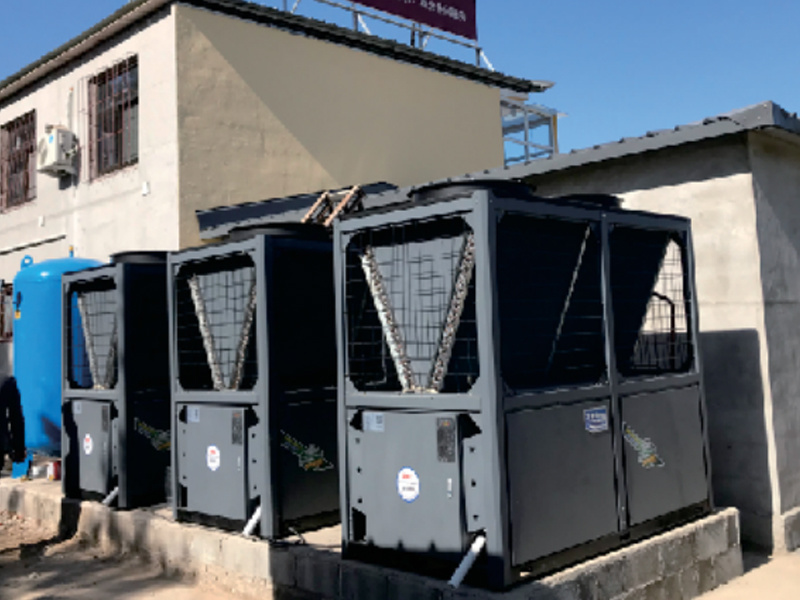
6.3 Clear Debris Around the Outdoor Unit
Keep the outdoor unit free of snow, ice, and debris to allow for optimal airflow and prevent damage.
7. Common Misconceptions about Heat Pumps
Despite their numerous benefits, several misconceptions about cold temperature heat pumps exist. Addressing these can help homeowners make informed decisions.
7.1 They Don’t Work in Cold Weather
Many people believe that heat pumps are ineffective in cold temperatures. However, cold temperature heat pumps are specifically designed to operate efficiently in lower outdoor temperatures.
7.2 They Are Too Expensive
While the initial investment may be higher than traditional systems, the long-term savings and potential rebates can make cold temperature heat pumps a cost-effective solution.
7.3 They Require Frequent Repairs
With proper maintenance, cold temperature heat pumps are incredibly reliable and can last for many years without major repairs.
8. Frequently Asked Questions
8.1 What is the lifespan of a cold temperature heat pump?
A well-maintained cold temperature heat pump can last around 15 to 20 years, depending on usage and maintenance.
8.2 How do cold temperature heat pumps perform in extreme cold?
Cold temperature heat pumps are specifically engineered to extract heat from the air even in extremely low temperatures, ensuring consistent performance.
8.3 Are cold temperature heat pumps energy-efficient?
Yes, they are among the most energy-efficient heating options available, often achieving high SEER and HSPF ratings.
8.4 Can I use a cold temperature heat pump with existing ductwork?
Yes, many cold temperature heat pumps can be integrated with existing ductwork, although ductless options are also available.
8.5 What are the maintenance costs for cold temperature heat pumps?
Maintenance costs typically range from $150 to $300 annually, depending on the complexity of the system and the services provided.
9. Conclusion
In conclusion, cold temperature heat pumps offer an efficient, environmentally friendly, and versatile heating solution for winter comfort. Their ability to perform well in low temperatures, combined with significant energy savings and improved indoor air quality, makes them an excellent investment for homeowners. By understanding their operation, benefits, and maintenance needs, you can maximize the comfort of your living space while contributing to a sustainable future. Embrace the innovation of cold temperature heat pumps this winter and enjoy the warmth they bring.
Key words:
What Else Might You Learn?