Welcome to Renqiu Aorun Heating Equipment Co., LTD.!


Harnessing Efficiency: The Benefits of Heating Air Source Heat Pumps
Release Time:
Aug 26,2026
Heating air source heat pumps (ASHP) have become increasingly popular in recent years as a viable alternative to traditional heating systems, particularly in residential applications. These systems work by transferring heat from the outside air into your home, providing an efficient and environmentally friendly heating solution. One of the primary advantages of heating air source heat pumps is th
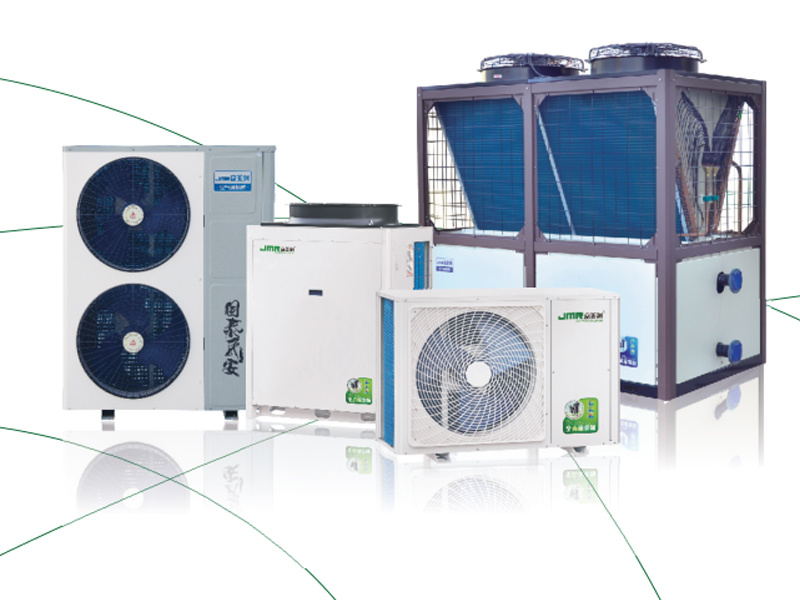
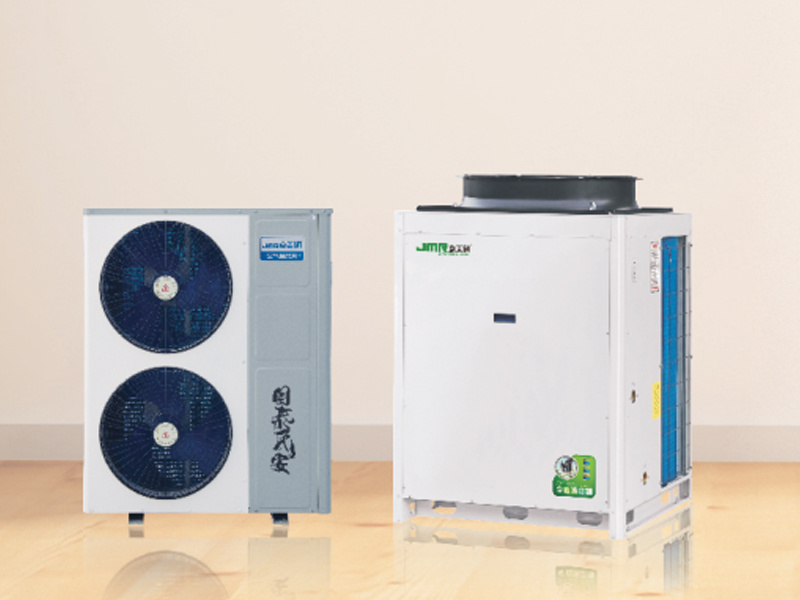
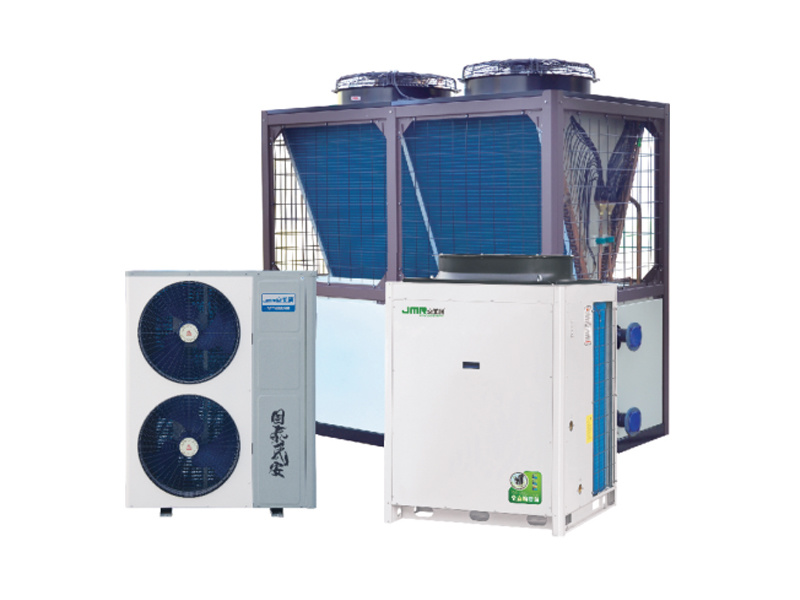
Heating air source heat pumps (ASHP) have become increasingly popular in recent years as a viable alternative to traditional heating systems, particularly in residential applications. These systems work by transferring heat from the outside air into your home, providing an efficient and environmentally friendly heating solution.
One of the primary advantages of heating air source heat pumps is their energy efficiency. Unlike conventional heating methods that generate heat by burning fuel, ASHPs operate on a refrigeration cycle. They extract heat from the air, even in colder temperatures, and transfer it indoors. This process requires significantly less energy than generating heat, which can lead to lower utility bills and reduced carbon emissions.
Another important aspect to consider is the versatility of heating air source heat pumps. These systems can provide both heating and cooling, making them a year-round solution for climate control. During warmer months, the heat pump can reverse its operation to cool your home, offering a two-in-one system that eliminates the need for separate heating and cooling units.
Installation of heating air source heat pumps is generally straightforward, as they do not require extensive ductwork, making them suitable for both new constructions and retrofitting in existing homes. The units are typically installed outside the home and connected to the indoor heating system, making the process less invasive and time-consuming compared to traditional systems.
In terms of maintenance, heating air source heat pumps are relatively low-maintenance. Regular checks to ensure the filters are clean and the outdoor unit is unobstructed can keep the system operating efficiently. Moreover, many modern units come equipped with advanced technology that can help monitor performance and optimize energy use.
For those concerned about the environmental impact of their heating choices, heating air source heat pumps present an appealing solution. Since they utilize ambient air as their primary source of heat, they contribute to a lower carbon footprint compared to fossil fuel-based heating systems. Additionally, with the growing availability of renewable energy sources, homeowners can further reduce their environmental impact by pairing their heat pumps with solar energy systems.
In conclusion, heating air source heat pumps offer a multitude of benefits, including energy efficiency, versatility, easy installation, low maintenance, and reduced environmental impact. As the demand for sustainable living solutions continues to rise, these systems are poised to play a significant role in the future of home heating. By considering a heating air source heat pump, homeowners can make a positive choice for both their comfort and the planet.
One of the primary advantages of heating air source heat pumps is their energy efficiency. Unlike conventional heating methods that generate heat by burning fuel, ASHPs operate on a refrigeration cycle. They extract heat from the air, even in colder temperatures, and transfer it indoors. This process requires significantly less energy than generating heat, which can lead to lower utility bills and reduced carbon emissions.
Another important aspect to consider is the versatility of heating air source heat pumps. These systems can provide both heating and cooling, making them a year-round solution for climate control. During warmer months, the heat pump can reverse its operation to cool your home, offering a two-in-one system that eliminates the need for separate heating and cooling units.
Installation of heating air source heat pumps is generally straightforward, as they do not require extensive ductwork, making them suitable for both new constructions and retrofitting in existing homes. The units are typically installed outside the home and connected to the indoor heating system, making the process less invasive and time-consuming compared to traditional systems.
In terms of maintenance, heating air source heat pumps are relatively low-maintenance. Regular checks to ensure the filters are clean and the outdoor unit is unobstructed can keep the system operating efficiently. Moreover, many modern units come equipped with advanced technology that can help monitor performance and optimize energy use.
For those concerned about the environmental impact of their heating choices, heating air source heat pumps present an appealing solution. Since they utilize ambient air as their primary source of heat, they contribute to a lower carbon footprint compared to fossil fuel-based heating systems. Additionally, with the growing availability of renewable energy sources, homeowners can further reduce their environmental impact by pairing their heat pumps with solar energy systems.
In conclusion, heating air source heat pumps offer a multitude of benefits, including energy efficiency, versatility, easy installation, low maintenance, and reduced environmental impact. As the demand for sustainable living solutions continues to rise, these systems are poised to play a significant role in the future of home heating. By considering a heating air source heat pump, homeowners can make a positive choice for both their comfort and the planet.
Key words:
What Else Might You Learn?