Welcome to Renqiu Aorun Heating Equipment Co., LTD.!


Understanding Low Carbon Heat Pumps: A Sustainable Solution for Building Heating
Release Time:
Jun 26,2026
Low carbon heat pumps are a vital component in the shift toward more sustainable heating solutions in the building sector. They work by transferring heat from one location to another, using electricity to move thermal energy rather than generating heat directly through combustion. This process is much more efficient and produces fewer carbon emissions, making low carbon heat pumps an excellent cho
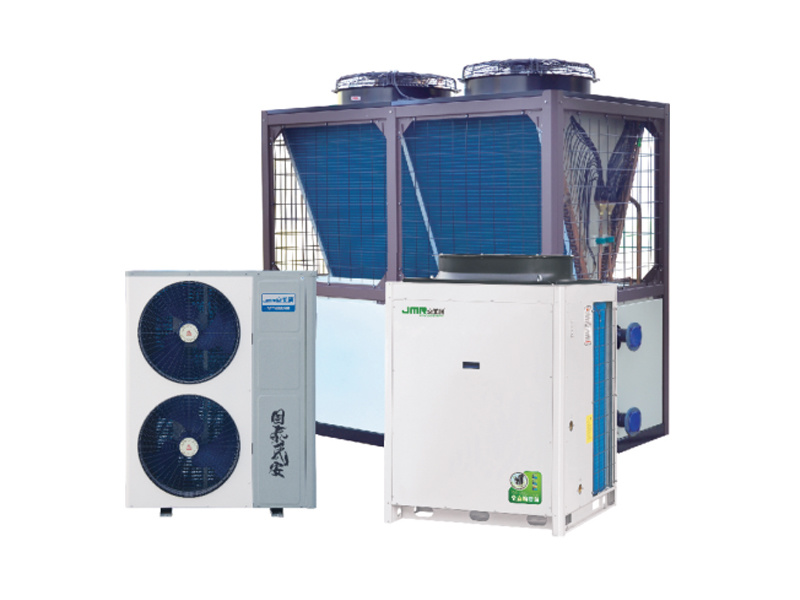
Low carbon heat pumps are a vital component in the shift toward more sustainable heating solutions in the building sector. They work by transferring heat from one location to another, using electricity to move thermal energy rather than generating heat directly through combustion. This process is much more efficient and produces fewer carbon emissions, making low carbon heat pumps an excellent choice for environmentally conscious construction practices.
One of the primary advantages of low carbon heat pumps is their efficiency. Unlike traditional heating systems, which rely heavily on fossil fuels, heat pumps can achieve a coefficient of performance (COP) that often exceeds 3. This means that for every unit of electricity consumed, they can produce three or more units of heat. This high efficiency not only translates to lower energy bills for building owners but also contributes to a significant reduction in carbon footprint.
In addition to their efficiency, low carbon heat pumps offer versatility in application. They can be used for both heating and cooling, making them a year-round solution for climate control in buildings. This dual functionality is particularly beneficial in regions that experience varying seasonal temperatures, as it eliminates the need for separate heating and cooling systems.
Moreover, low carbon heat pumps are compatible with various energy sources, including renewable energy options like solar or wind power. By integrating these systems, buildings can achieve near-zero emissions, further promoting sustainability. This compatibility also allows for easy retrofitting of existing buildings, enhancing their energy performance without the need for extensive renovations.
Another important aspect of low carbon heat pumps is their contribution to energy security. By utilizing locally available energy sources and reducing dependence on imported fossil fuels, buildings equipped with heat pumps can enhance their resilience against energy price fluctuations and supply disruptions. This aspect is becoming increasingly important in the context of global energy markets and climate change.
Finally, as regulatory frameworks around carbon emissions become more stringent, the adoption of low carbon heat pumps is likely to increase. Building owners and developers who invest in this technology not only align themselves with sustainability goals but also position their properties favorably in a market that increasingly values energy efficiency and environmental responsibility.
In conclusion, low carbon heat pumps represent a forward-thinking solution for heating in the construction and decoration materials industry. Their efficiency, versatility, and potential for integration with renewable energy make them an essential component in the ongoing effort to reduce carbon emissions and promote sustainable building practices. As the industry moves towards greener alternatives, understanding and adopting low carbon heat pump technology will be crucial for future-proofing building infrastructure.
One of the primary advantages of low carbon heat pumps is their efficiency. Unlike traditional heating systems, which rely heavily on fossil fuels, heat pumps can achieve a coefficient of performance (COP) that often exceeds 3. This means that for every unit of electricity consumed, they can produce three or more units of heat. This high efficiency not only translates to lower energy bills for building owners but also contributes to a significant reduction in carbon footprint.
In addition to their efficiency, low carbon heat pumps offer versatility in application. They can be used for both heating and cooling, making them a year-round solution for climate control in buildings. This dual functionality is particularly beneficial in regions that experience varying seasonal temperatures, as it eliminates the need for separate heating and cooling systems.
Moreover, low carbon heat pumps are compatible with various energy sources, including renewable energy options like solar or wind power. By integrating these systems, buildings can achieve near-zero emissions, further promoting sustainability. This compatibility also allows for easy retrofitting of existing buildings, enhancing their energy performance without the need for extensive renovations.
Another important aspect of low carbon heat pumps is their contribution to energy security. By utilizing locally available energy sources and reducing dependence on imported fossil fuels, buildings equipped with heat pumps can enhance their resilience against energy price fluctuations and supply disruptions. This aspect is becoming increasingly important in the context of global energy markets and climate change.
Finally, as regulatory frameworks around carbon emissions become more stringent, the adoption of low carbon heat pumps is likely to increase. Building owners and developers who invest in this technology not only align themselves with sustainability goals but also position their properties favorably in a market that increasingly values energy efficiency and environmental responsibility.
In conclusion, low carbon heat pumps represent a forward-thinking solution for heating in the construction and decoration materials industry. Their efficiency, versatility, and potential for integration with renewable energy make them an essential component in the ongoing effort to reduce carbon emissions and promote sustainable building practices. As the industry moves towards greener alternatives, understanding and adopting low carbon heat pump technology will be crucial for future-proofing building infrastructure.
Key words:
What Else Might You Learn?