Welcome to Renqiu Aorun Heating Equipment Co., LTD.!


Understanding Air Conditioning Air Source Heat Pumps: A Practical Guide
Release Time:
Jun 24,2026
When it comes to heating and cooling your home, air conditioning air source heat pumps are becoming an increasingly popular choice. These versatile systems operate by transferring heat from the outside air into your home during colder months while reversing the process to provide cooling during warmer periods. Understanding how they work and their advantages can help you make informed decisions ab
When it comes to heating and cooling your home, air conditioning air source heat pumps are becoming an increasingly popular choice. These versatile systems operate by transferring heat from the outside air into your home during colder months while reversing the process to provide cooling during warmer periods. Understanding how they work and their advantages can help you make informed decisions about your home’s climate control.
One of the primary benefits of air conditioning air source heat pumps is their energy efficiency. Unlike traditional heating methods that generate heat through combustion, air source heat pumps simply move heat, consuming significantly less energy in the process. This not only leads to lower energy bills but also reduces your carbon footprint, making it an environmentally friendly option for heating and cooling.
Air source heat pumps work best in moderate climates, where the temperature does not frequently drop to extreme lows. They can efficiently extract heat from the air even when temperatures are as low as 32°F (0°C). However, in regions with harsher winters, it may be beneficial to combine them with supplemental heating options, ensuring that your home remains comfortably warm throughout the cold seasons.
Another significant advantage is their dual functionality. Air conditioning air source heat pumps can both heat and cool your home, eliminating the need for separate systems. This not only saves space but also simplifies maintenance since you only need to care for one system rather than two.
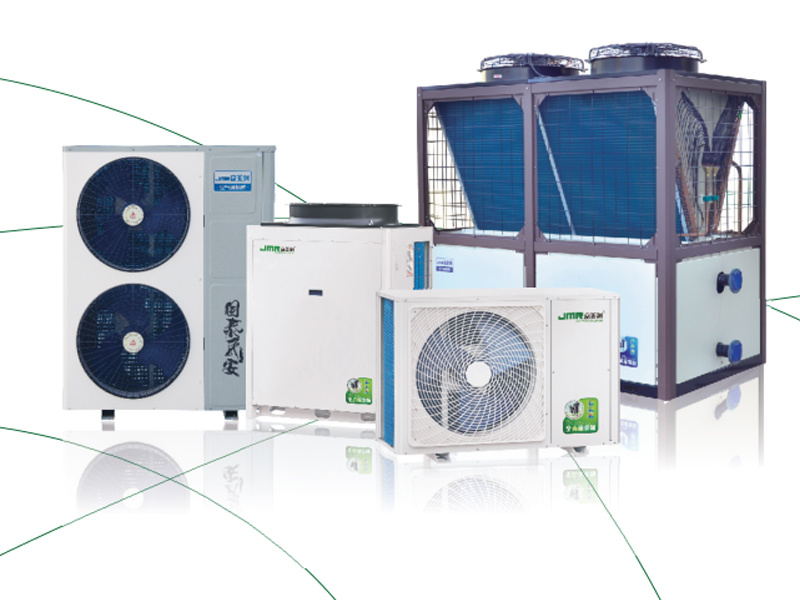
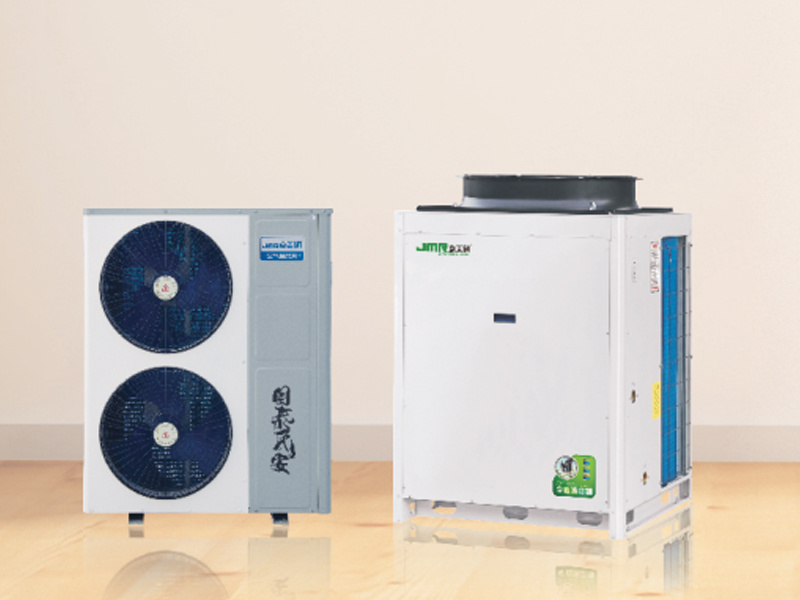
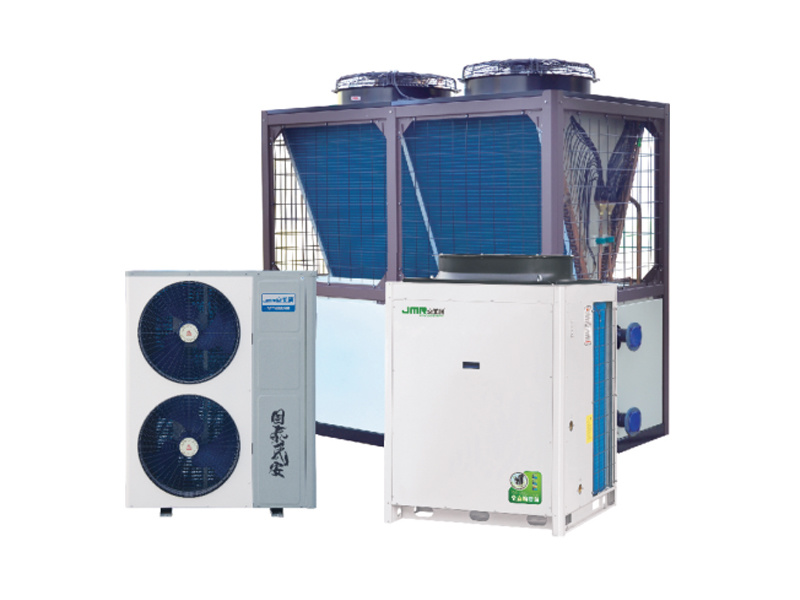
Installation of air source heat pumps typically involves placing an outdoor unit that houses the compressor and heat exchanger, along with an indoor unit that distributes the conditioned air. Professional installation is recommended to ensure that the system operates efficiently and effectively. Proper sizing of the heat pump is crucial, as an incorrectly sized unit can lead to inefficiencies and higher operational costs.
Additionally, many modern air source heat pumps come equipped with smart technology, allowing homeowners to control their heating and cooling settings remotely via smartphone applications. This feature enhances convenience, enabling users to optimize their energy use even when they are not home.
In summary, air conditioning air source heat pumps are a smart investment for those seeking an efficient and versatile solution for their heating and cooling needs. Their energy efficiency, dual functionality, and potential for smart home integration make them a compelling option in today’s market. As more individuals aim for greener and more sustainable living, understanding these systems could greatly benefit homeowners looking to enhance their home environment.
One of the primary benefits of air conditioning air source heat pumps is their energy efficiency. Unlike traditional heating methods that generate heat through combustion, air source heat pumps simply move heat, consuming significantly less energy in the process. This not only leads to lower energy bills but also reduces your carbon footprint, making it an environmentally friendly option for heating and cooling.
Air source heat pumps work best in moderate climates, where the temperature does not frequently drop to extreme lows. They can efficiently extract heat from the air even when temperatures are as low as 32°F (0°C). However, in regions with harsher winters, it may be beneficial to combine them with supplemental heating options, ensuring that your home remains comfortably warm throughout the cold seasons.
Another significant advantage is their dual functionality. Air conditioning air source heat pumps can both heat and cool your home, eliminating the need for separate systems. This not only saves space but also simplifies maintenance since you only need to care for one system rather than two.
Installation of air source heat pumps typically involves placing an outdoor unit that houses the compressor and heat exchanger, along with an indoor unit that distributes the conditioned air. Professional installation is recommended to ensure that the system operates efficiently and effectively. Proper sizing of the heat pump is crucial, as an incorrectly sized unit can lead to inefficiencies and higher operational costs.
Additionally, many modern air source heat pumps come equipped with smart technology, allowing homeowners to control their heating and cooling settings remotely via smartphone applications. This feature enhances convenience, enabling users to optimize their energy use even when they are not home.
In summary, air conditioning air source heat pumps are a smart investment for those seeking an efficient and versatile solution for their heating and cooling needs. Their energy efficiency, dual functionality, and potential for smart home integration make them a compelling option in today’s market. As more individuals aim for greener and more sustainable living, understanding these systems could greatly benefit homeowners looking to enhance their home environment.
Key words:
What Else Might You Learn?