Welcome to Renqiu Aorun Heating Equipment Co., LTD.!


The Future of Heating: Low Carbon Heat Pumps Explained
Release Time:
Jun 17,2026
The Future of Heating: Low Carbon Heat Pumps Explained Table of Contents 1. Introduction to Low Carbon Heat Pumps 2. What Are Low Carbon Heat Pumps? 3. Types of Low Carbon Heat Pumps 4. Benefits of Low Carbon Heat Pumps 5. Installation and Maintenance of Heat Pumps 6. Efficiency and Performance Metrics 7. Cost Considerations and Financial Incentives 8. The Future o
The Future of Heating: Low Carbon Heat Pumps Explained
Table of Contents
- 1. Introduction to Low Carbon Heat Pumps
- 2. What Are Low Carbon Heat Pumps?
- 3. Types of Low Carbon Heat Pumps
- 4. Benefits of Low Carbon Heat Pumps
- 5. Installation and Maintenance of Heat Pumps
- 6. Efficiency and Performance Metrics
- 7. Cost Considerations and Financial Incentives
- 8. The Future of Low Carbon Heat Technology
- 9. FAQs About Low Carbon Heat Pumps
- 10. Conclusion
1. Introduction to Low Carbon Heat Pumps
As global awareness of climate change intensifies, the demand for sustainable heating solutions has never been more crucial. Low carbon heat pumps stand at the forefront of this transformation, offering a viable alternative to traditional heating systems. This article delves into what low carbon heat pumps are, their significance in the building and construction industry, and why they represent the future of heating technology.
2. What Are Low Carbon Heat Pumps?
Low carbon heat pumps are advanced heating systems that leverage renewable energy sources to provide heating and cooling. They work by transferring heat from one place to another, using electricity to move heat instead of generating it through combustion. This innovative approach significantly reduces carbon emissions, making them a sustainable choice for both residential and commercial applications.
The Mechanics Behind Heat Pumps
Heat pumps operate on the principles of thermodynamics, using a refrigerant to absorb and release heat. Depending on the type, they can extract heat from the air, ground, or water, making them incredibly versatile. This mechanism allows them to provide energy-efficient heating solutions, often yielding a higher output compared to the energy input.
3. Types of Low Carbon Heat Pumps
Understanding the types of low carbon heat pumps is essential for selecting the right system for a specific application. The three primary varieties include:
Air Source Heat Pumps
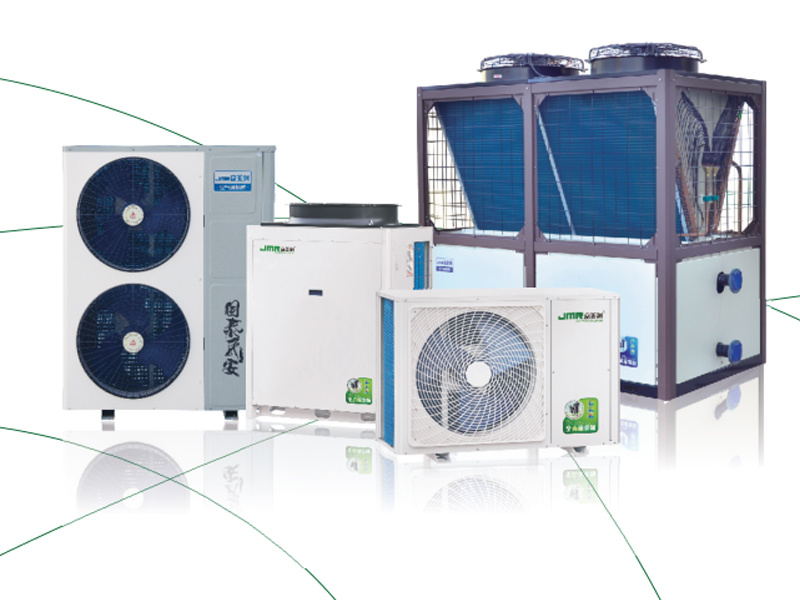
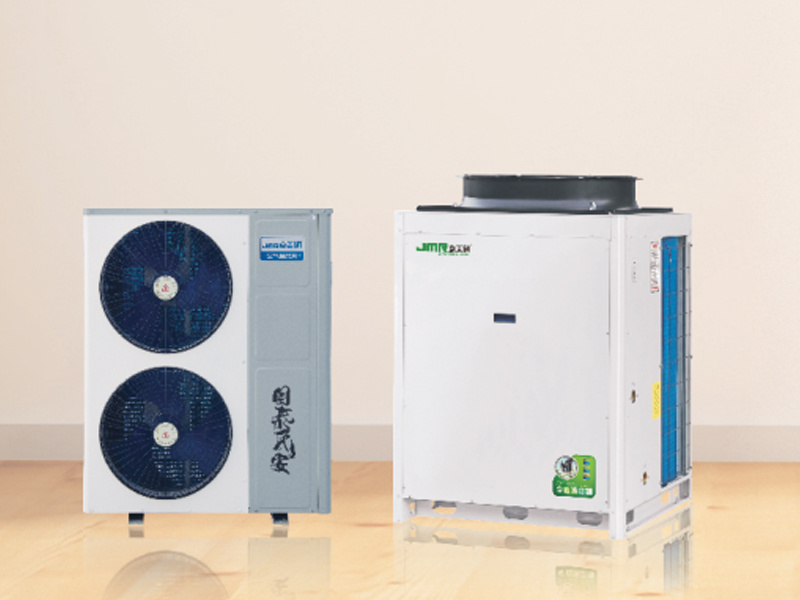
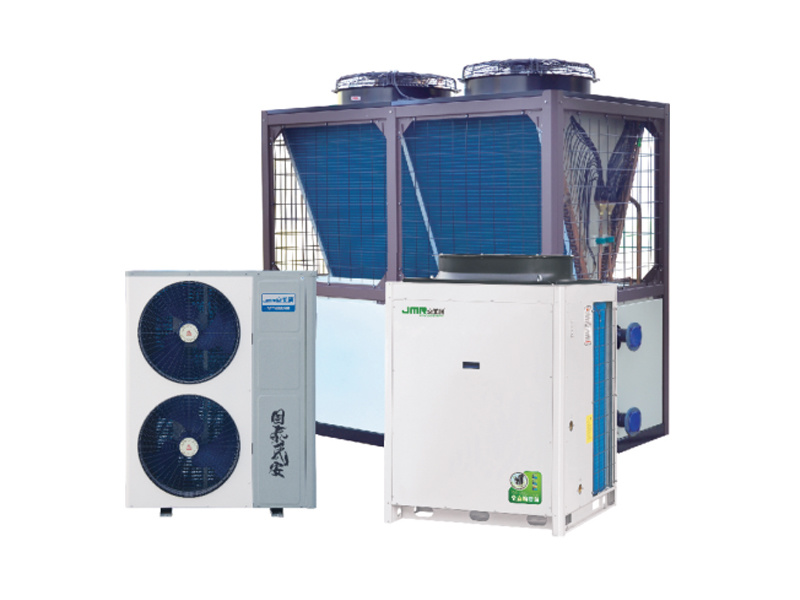
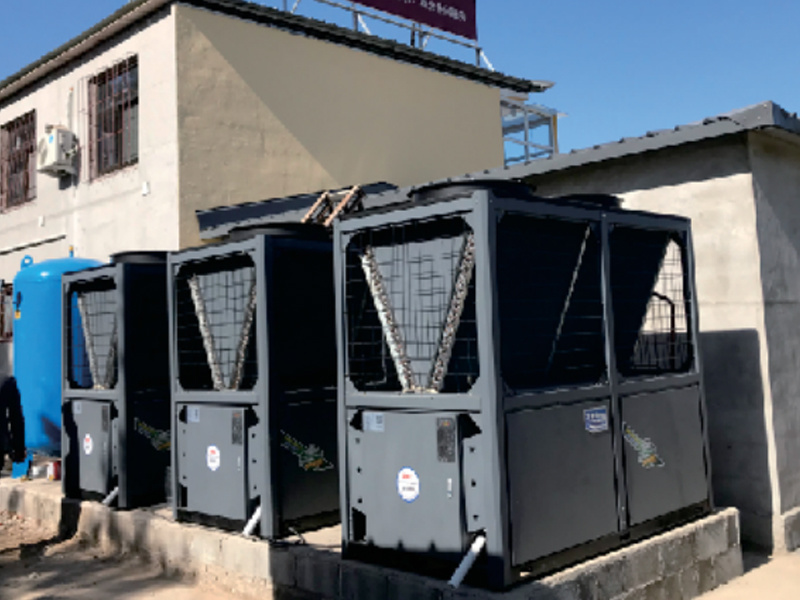
Air source heat pumps extract heat from the ambient air, making them one of the most accessible options for homeowners. They are ideal for moderate climates and can operate efficiently even in cooler temperatures.
Ground Source Heat Pumps
Ground source heat pumps, or geothermal systems, utilize the steady temperature of the earth to provide heating and cooling. They tend to have higher efficiency ratings but require more extensive installation processes due to the need for underground loops.
Water Source Heat Pumps
Water source heat pumps utilize bodies of water as a heat exchange medium. They’re suitable for properties near lakes, rivers, or other water bodies. These systems can deliver exceptional efficiency but are limited to specific geographic locations.
4. Benefits of Low Carbon Heat Pumps
The growing interest in low carbon heat pumps can be attributed to a myriad of benefits, including:
Environmental Impact
By utilizing renewable energy sources, low carbon heat pumps drastically reduce greenhouse gas emissions. This aligns with global sustainability goals, helping to combat climate change.
Energy Efficiency
Compared to conventional heating systems, heat pumps can achieve efficiencies of 300-400%. This means that for every unit of electricity consumed, they can produce multiple units of heating or cooling.
Cost Savings
While the upfront costs may be higher, the long-term energy savings can offset the initial investment. Additionally, many governments offer financial incentives to encourage the adoption of low carbon technologies.
5. Installation and Maintenance of Heat Pumps
Successful implementation of low carbon heat pumps requires a thorough understanding of installation and ongoing maintenance.
Installation Considerations
The installation process varies depending on the type of heat pump. Air source pumps are generally easier and less expensive to install than ground or water source systems, which require extensive groundwork.
Regular Maintenance
Regular maintenance is crucial for ensuring optimal performance. This includes periodic inspections, cleaning of filters, and checking refrigerant levels. Homeowners should schedule professional maintenance at least once a year.
6. Efficiency and Performance Metrics
The efficiency of low carbon heat pumps is measured by the Coefficient of Performance (COP) and the Seasonal Performance Factor (SPF). Understanding these metrics helps consumers make informed decisions.
Coefficient of Performance (COP)
COP measures the ratio of useful heating or cooling provided to the energy consumed. A higher COP indicates a more efficient heat pump.
Seasonal Performance Factor (SPF)
SPF evaluates the efficiency of a heat pump over an entire heating or cooling season. This metric gives a more comprehensive view of a heat pump’s performance compared to COP.
7. Cost Considerations and Financial Incentives
The financial aspects of adopting low carbon heat pumps are pivotal for many consumers.
Initial Costs
The initial costs of purchasing and installing low carbon heat pumps can vary significantly based on type and installation complexity. While air source heat pumps typically have lower initial costs, ground source systems may require significant upfront investment.
Long-Term Savings
Despite higher initial costs, heat pumps can lead to substantial savings on energy bills over time. Their high efficiency translates into lower operating costs.
Government Incentives
Many governments worldwide offer tax credits, rebates, and subsidies to incentivize the adoption of renewable energy technologies. Homeowners should research available programs in their area to maximize savings.
8. The Future of Low Carbon Heat Technology
The future of low carbon heat pumps is promising, driven by advancements in technology and increasing regulatory support for sustainable energy solutions.
Technological Innovations
Emerging technologies, such as improved refrigerants and more efficient compressors, are enhancing the performance and reliability of heat pumps. Developments in smart home integration also allow for better energy management.
Regulatory Trends
As governments commit to reducing carbon emissions, regulations are increasingly favoring low carbon technologies. Future policies may further incentivize the installation of heat pumps in both new and existing buildings.
9. FAQs About Low Carbon Heat Pumps
What is the lifespan of a low carbon heat pump?
Generally, low carbon heat pumps have a lifespan of 15 to 20 years with proper maintenance.
Can low carbon heat pumps work in extreme cold?
Yes, modern air source heat pumps are designed to operate efficiently in lower temperatures, although their efficiency may decrease.
What maintenance is required for heat pumps?
Regular maintenance includes checking filters, cleaning coils, and ensuring refrigerant levels are optimal.
Are low carbon heat pumps environmentally friendly?
Yes, they significantly reduce carbon emissions by utilizing renewable energy sources instead of fossil fuels.
How do I choose the right heat pump for my home?
Consider your location, heating needs, budget, and available incentives. Consulting with a professional can help tailor the right solution for your situation.
10. Conclusion
Low carbon heat pumps represent a critical component in the transition towards sustainable heating solutions. Their ability to reduce carbon emissions while providing energy-efficient heating and cooling makes them an appealing choice for both residential and commercial applications. As technology advances and government incentives continue to support their adoption, we can expect low carbon heat pumps to play an increasingly significant role in the future of heating. Embracing this technology not only contributes to environmental sustainability but also offers substantial long-term savings, making it a wise investment for the future.
Key words:
What Else Might You Learn?