Welcome to Renqiu Aorun Heating Equipment Co., LTD.!


Unlocking Energy Efficiency: The Advantages of High Efficiency Air Source Heat Pumps
Release Time:
Jun 08,2026
High efficiency air source heat pumps (ASHPs) are gaining traction as a sustainable heating option for both residential and commercial applications. These systems capitalize on the thermal energy in the air to provide efficient heating and cooling, making them an ideal choice for environmentally conscious consumers looking to reduce their carbon footprint. In the context of the consumer electronic
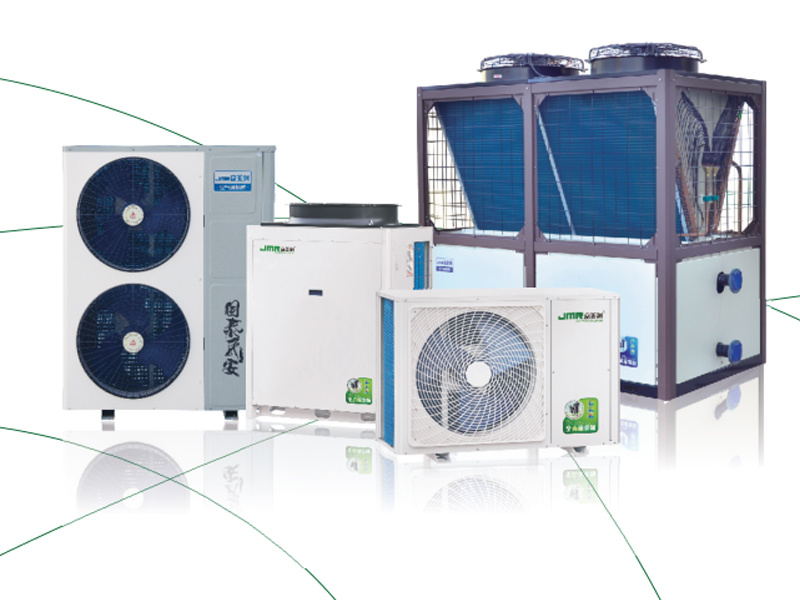
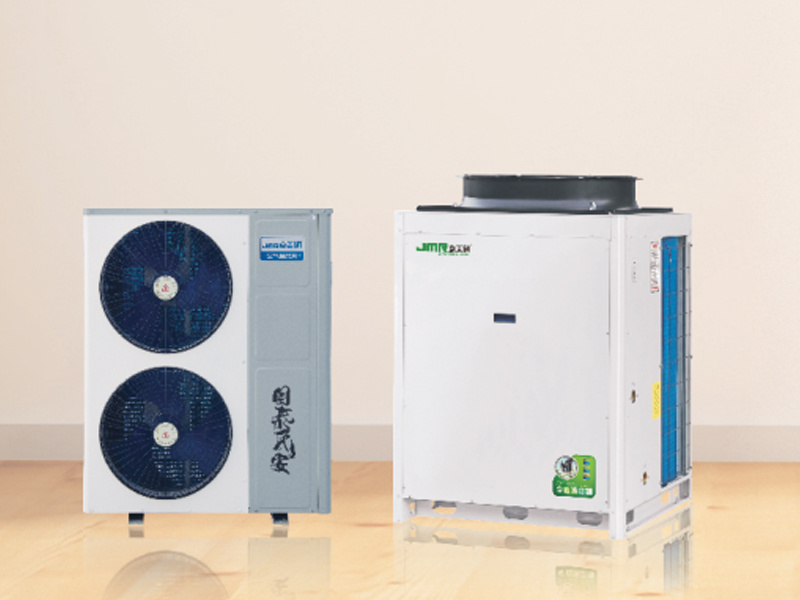
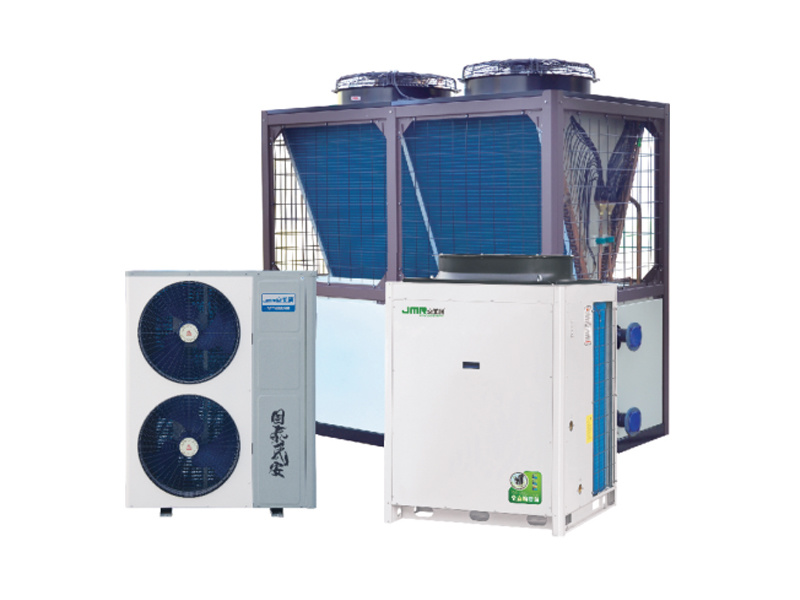
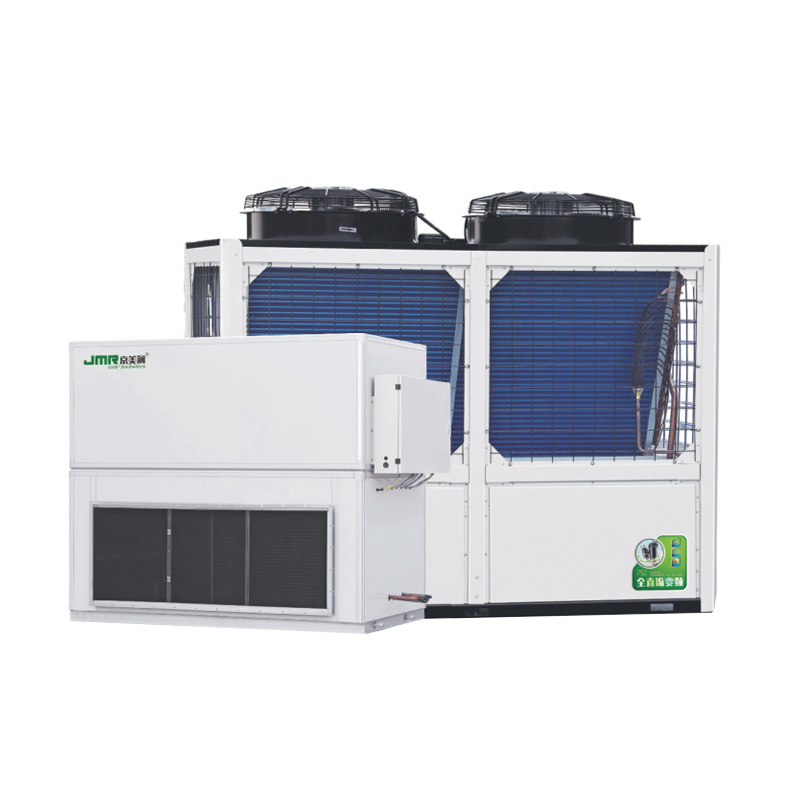
High efficiency air source heat pumps (ASHPs) are gaining traction as a sustainable heating option for both residential and commercial applications. These systems capitalize on the thermal energy in the air to provide efficient heating and cooling, making them an ideal choice for environmentally conscious consumers looking to reduce their carbon footprint. In the context of the consumer electronics and small home appliance industry, particularly when discussing gas heaters, understanding the benefits and functionality of high efficiency air source heat pumps can be invaluable.
The primary advantage of high efficiency air source heat pumps lies in their energy efficiency ratings. Unlike traditional heating systems that generate heat through combustion or electric resistance, ASHPs transfer heat from the air outside to the interior of a building. This process requires significantly less energy, resulting in lower operational costs and reduced greenhouse gas emissions. The efficiency of these units is often measured by their coefficient of performance (COP), which indicates the ratio of heat output to energy consumed. A high COP signifies a more effective heating system.
Moreover, high efficiency air source heat pumps are versatile and can function in various climates. Advanced models are designed to operate effectively even in low outdoor temperatures, making them suitable for a wide range of geographical locations. This adaptability is particularly beneficial for consumers who seek a reliable heating solution without the need for additional backup systems.
Another key aspect of ASHPs is their dual functionality. In addition to providing heating during colder months, these systems can also reverse their operation to provide cooling in warmer conditions. This year-round capability not only maximizes the utility of the system but also simplifies home climate control by reducing the need for separate heating and cooling appliances.
In terms of installation and maintenance, high efficiency air source heat pumps require less invasive setups compared to traditional heating systems, which often necessitate extensive ductwork or flue installations. While initial installation costs may vary, the long-term savings on energy bills and the reduced environmental impact often outweigh these upfront expenses.
For consumers considering a transition from gas heaters to more sustainable options, high efficiency air source heat pumps present a compelling case. They align with the growing trend towards energy-efficient home solutions, providing comfort while supporting eco-friendly initiatives.
In conclusion, high efficiency air source heat pumps are not just an alternative heating solution; they represent a significant step towards a more sustainable future. As the demand for energy-efficient appliances continues to grow, understanding the benefits of these systems could empower consumers to make informed decisions that enhance their living environments while contributing to global sustainability efforts.
The primary advantage of high efficiency air source heat pumps lies in their energy efficiency ratings. Unlike traditional heating systems that generate heat through combustion or electric resistance, ASHPs transfer heat from the air outside to the interior of a building. This process requires significantly less energy, resulting in lower operational costs and reduced greenhouse gas emissions. The efficiency of these units is often measured by their coefficient of performance (COP), which indicates the ratio of heat output to energy consumed. A high COP signifies a more effective heating system.
Moreover, high efficiency air source heat pumps are versatile and can function in various climates. Advanced models are designed to operate effectively even in low outdoor temperatures, making them suitable for a wide range of geographical locations. This adaptability is particularly beneficial for consumers who seek a reliable heating solution without the need for additional backup systems.
Another key aspect of ASHPs is their dual functionality. In addition to providing heating during colder months, these systems can also reverse their operation to provide cooling in warmer conditions. This year-round capability not only maximizes the utility of the system but also simplifies home climate control by reducing the need for separate heating and cooling appliances.
In terms of installation and maintenance, high efficiency air source heat pumps require less invasive setups compared to traditional heating systems, which often necessitate extensive ductwork or flue installations. While initial installation costs may vary, the long-term savings on energy bills and the reduced environmental impact often outweigh these upfront expenses.
For consumers considering a transition from gas heaters to more sustainable options, high efficiency air source heat pumps present a compelling case. They align with the growing trend towards energy-efficient home solutions, providing comfort while supporting eco-friendly initiatives.
In conclusion, high efficiency air source heat pumps are not just an alternative heating solution; they represent a significant step towards a more sustainable future. As the demand for energy-efficient appliances continues to grow, understanding the benefits of these systems could empower consumers to make informed decisions that enhance their living environments while contributing to global sustainability efforts.
Key words:
What Else Might You Learn?