Welcome to Renqiu Aorun Heating Equipment Co., LTD.!


Cold Weather? Discover How a Cold Temperature Heat Pump Can Save You Money
Release Time:
Jun 07,2026
Cold Weather? Discover How a Cold Temperature Heat Pump Can Save You Money Introduction to Cold Temperature Heat Pumps As winter approaches, homeowners often face the daunting task of preparing their homes for the cold months ahead. One of the most effective solutions is the **cold temperature heat pump**. This innovative technology not only provides efficient heating in low temperatures but also
Cold Weather? Discover How a Cold Temperature Heat Pump Can Save You Money
Introduction to Cold Temperature Heat Pumps
As winter approaches, homeowners often face the daunting task of preparing their homes for the cold months ahead. One of the most effective solutions is the **cold temperature heat pump**. This innovative technology not only provides efficient heating in low temperatures but also offers substantial savings on energy costs. In this article, we delve into how cold temperature heat pumps work, their benefits, and how they can help you save money during chilly seasons.
Understanding Heat Pumps: The Basics
Before we explore the specifics of cold temperature heat pumps, it’s essential to understand the fundamental workings of heat pumps in general.
What is a Heat Pump?
A heat pump is a device that transfers heat from one place to another. It works on the principle of heat exchange, utilizing a refrigerant to absorb and release heat. Unlike traditional heating systems that generate heat, heat pumps move existing heat from the outside air or ground into your home.
Types of Heat Pumps
There are several types of heat pumps, including:
- **Air-source heat pumps**: Extract heat from the outside air.
- **Ground-source (geothermal) heat pumps**: Utilize the stable temperatures of the ground.
- **Water-source heat pumps**: Rely on water bodies to exchange heat.
Among these, air-source heat pumps are the most common, especially in residential settings.
What Makes Cold Temperature Heat Pumps Unique?
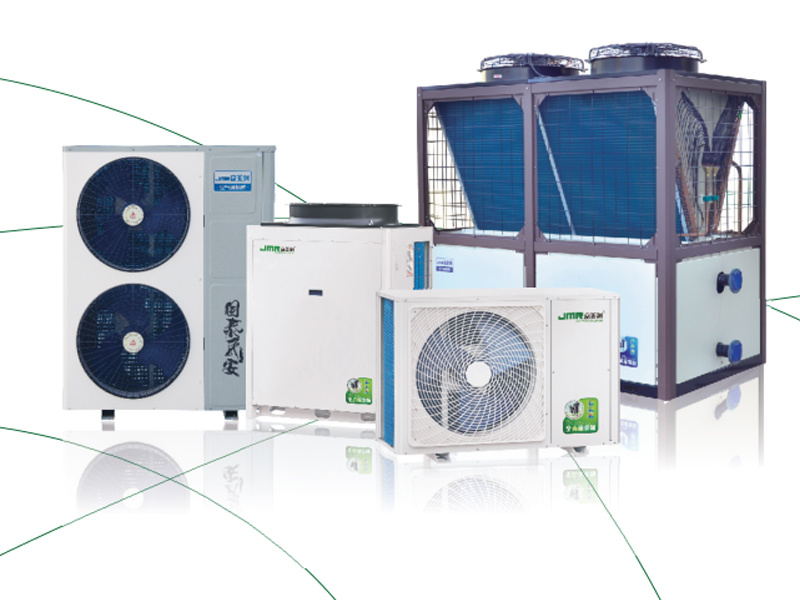
Cold temperature heat pumps are specifically designed to operate efficiently in frigid climates. These systems have advanced technology that allows them to extract heat from the outside air, even when temperatures drop well below freezing.
How Do Cold Temperature Heat Pumps Work?
Cold temperature heat pumps feature enhanced components that enable them to function efficiently in low temperatures. They typically include:
1. **Variable-speed compressors**: These compressors adjust their speed based on the heating demand, ensuring efficient energy use.
2. **Low-temperature refrigerants**: These refrigerants have a lower boiling point, allowing them to absorb heat from the air at lower temperatures.
3. **Improved heat exchangers**: Designed to maximize heat transfer, these components ensure that the system operates effectively, even in extreme cold.
When the outside temperature drops, the cold temperature heat pump continues to extract heat from the air, which is then compressed and transferred inside your home.
Financial Benefits of Cold Temperature Heat Pumps
Investing in a cold temperature heat pump can lead to significant financial savings in various ways.
Lower Energy Bills
One of the most immediate benefits you will notice is the reduction in your energy bills. Cold temperature heat pumps are incredibly energy-efficient, often using significantly less electricity than traditional heating systems. This can translate to monthly savings, especially during peak winter months.
Government Incentives and Rebates
Many governments offer incentives and rebates for homeowners who invest in energy-efficient heating solutions, including cold temperature heat pumps. These financial incentives can significantly reduce the upfront costs of installation, making it more affordable for homeowners to switch to this efficient heating method.
Increased Home Value
Installing a cold temperature heat pump can enhance the overall value of your property. Homebuyers are increasingly looking for energy-efficient features, and having a modern heating system in place can make your home more attractive in the real estate market.
Environmental Impact of Cold Temperature Heat Pumps
In addition to the financial benefits, cold temperature heat pumps also have a positive impact on the environment.
Energy Efficiency and Reduced Carbon Footprint
Cold temperature heat pumps utilize renewable energy sources, reducing reliance on fossil fuels. By consuming less energy and generating fewer greenhouse gases, these systems play a significant role in minimizing your carbon footprint.
Promoting Sustainable Living
By choosing a cold temperature heat pump, you are contributing to a more sustainable future. This choice supports the transition to renewable energy and encourages the development of cleaner technologies in the home heating sector.
Choosing the Right Cold Temperature Heat Pump
Selecting the right cold temperature heat pump requires careful consideration of several factors.
Size and Capacity
It is crucial to choose a heat pump that is appropriately sized for your home. An undersized unit may struggle to heat your space adequately, while an oversized unit can lead to higher energy consumption. Consulting with a professional HVAC technician can help ensure you select the right capacity for your needs.
Efficiency Ratings
Look for models with high efficiency ratings, such as the **Seasonal Energy Efficiency Ratio (SEER)** and **Heating Seasonal Performance Factor (HSPF)** ratings. Higher ratings indicate more efficient systems that will save you money in the long run.
Brand Reputation and Warranty
Choose reputable brands that offer reliable products and customer support. Additionally, look for models with a robust warranty, providing peace of mind regarding your investment.
Installation Considerations for Cold Temperature Heat Pumps
Proper installation is critical to the efficiency and longevity of your cold temperature heat pump.
Professional Installation vs. DIY
While some homeowners may consider DIY installation, it is advisable to hire a professional HVAC technician. Experts ensure that the system is correctly installed, maximizing performance and compliance with local building codes.
Maintenance Requirements
Regular maintenance is essential for keeping your heat pump in optimal working condition. Routine checks can help identify potential issues early on and prolong the life of your system. This includes cleaning filters, checking refrigerant levels, and inspecting electrical components.
FAQs About Cold Temperature Heat Pumps
1. Can cold temperature heat pumps work in extreme cold?
Yes, cold temperature heat pumps are designed specifically to operate efficiently in extreme cold, extracting heat from the air even at low temperatures.
2. How much can I save on my energy bills with a cold temperature heat pump?
Savings vary based on usage and local energy costs, but many homeowners report reductions of 30% or more on their heating bills compared to traditional systems.
3. Are cold temperature heat pumps noisy?
Modern cold temperature heat pumps are designed to operate quietly. Many models include sound-reducing technology to minimize noise during operation.
4. What is the lifespan of a cold temperature heat pump?
With proper maintenance, a cold temperature heat pump can last 15 to 20 years, making it a long-term investment in home comfort.
5. Do I need a backup heating source with a cold temperature heat pump?
While many cold temperature heat pumps can effectively heat your home in cold weather, some homeowners may choose to install a backup heating source for extreme conditions.
Conclusion
In conclusion, a cold temperature heat pump is a **smart investment** for homeowners facing the challenges of cold weather. Not only do these systems provide efficient heating solutions, but they also lead to significant financial savings and environmental benefits. By understanding the workings, advantages, and considerations of cold temperature heat pumps, you can make an informed decision that enhances your home’s comfort and sustainability. Embrace the warmth this winter while saving money and contributing to a greener planet with a cold temperature heat pump.
Key words:
What Else Might You Learn?