Welcome to Renqiu Aorun Heating Equipment Co., LTD.!


Comparing Heating Options: Water Temperature Air Source Heat Pumps vs. Traditional Systems
Release Time:
Jun 03,2026
Comparing Heating Options: Water Temperature Air Source Heat Pumps vs. Traditional Systems Table of Contents Introduction Understanding Heating Systems Traditional Heating Systems Water Temperature Air Source Heat Pumps Energy Efficiency: A Crucial Factor Installation Costs: What to Expect Operational Costs: Long-Term Financial Impact
Comparing Heating Options: Water Temperature Air Source Heat Pumps vs. Traditional Systems
Table of Contents
- Introduction
- Understanding Heating Systems
- Energy Efficiency: A Crucial Factor
- Installation Costs: What to Expect
- Operational Costs: Long-Term Financial Impact
- Environmental Impact of Heating Options
- Performance Comparison: Efficiency and Comfort
- Which System Is Right for You?
- FAQs
- Conclusion
Introduction
In today's world, selecting the right heating system for your home involves more than just comfort; it’s about efficiency, cost-effectiveness, and environmental responsibility. As homeowners increasingly seek sustainable solutions, **water temperature air source heat pumps** have gained popularity alongside traditional heating systems. This article delves into the merits and drawbacks of both systems, helping you make an informed decision for your heating needs.
Understanding Heating Systems
Heating systems can generally be classified into two main categories: traditional heating systems and modern options like water temperature air source heat pumps. Understanding how each system works and their respective features is crucial in choosing the right heating solution.
Traditional Heating Systems
Traditional heating systems often rely on fossil fuels or electricity to generate heat. Common types include:
- **Furnaces**: These systems burn fuel (natural gas, oil, or propane) to heat air, which is then circulated through ducts.
- **Boilers**: Boilers heat water to produce steam or hot water for radiators.
- **Electric heaters**: These utilize electrical resistance to generate heat, which can be inefficient for larger spaces.
While traditional systems have been tried and tested over the years, they often come with higher energy consumption and environmental impact.
Water Temperature Air Source Heat Pumps
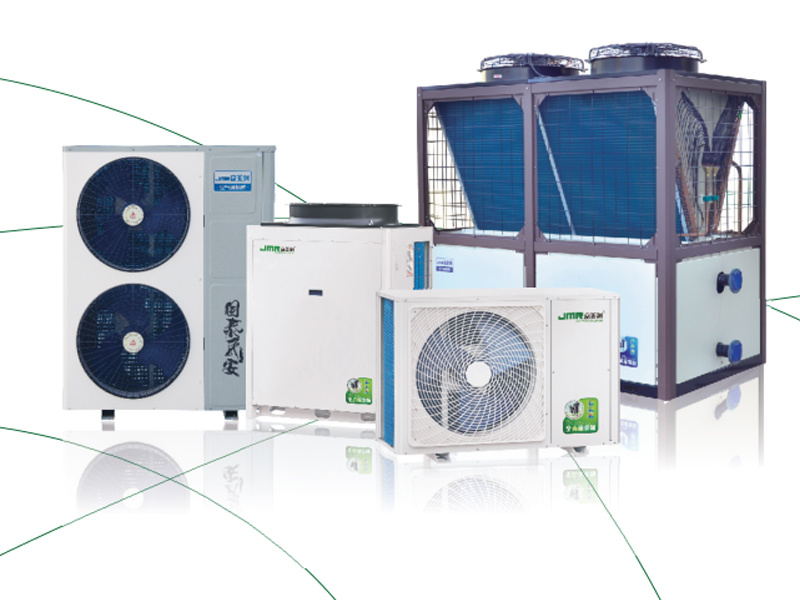
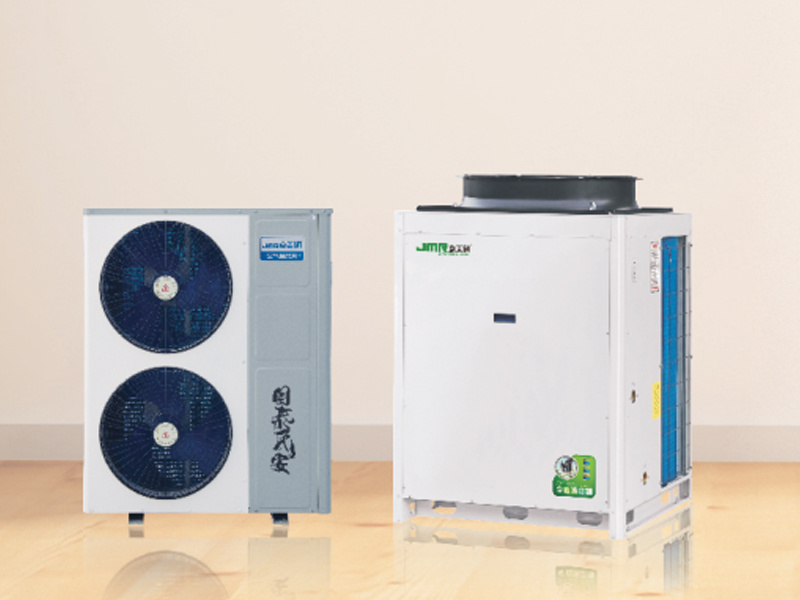
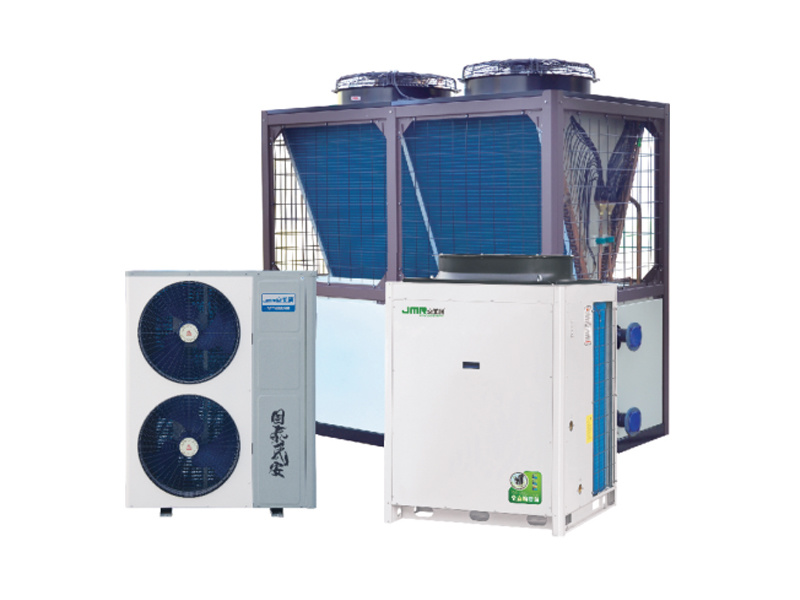
Water temperature air source heat pumps (ASHP) work by extracting heat from the air outside and transferring it indoors, even in cold temperatures. This process relies on refrigerant technology, making these systems highly efficient. Key features include:
- **Energy Efficiency**: ASHPs can provide up to three times more heat energy than they consume in electricity.
- **Versatility**: They can provide both heating in winter and cooling in summer, serving dual purposes.
- **Low Carbon Footprint**: Using renewable energy sources, ASHPs can significantly reduce greenhouse gas emissions compared to traditional systems.
Energy Efficiency: A Crucial Factor
Energy efficiency is paramount when choosing a heating system. **Water temperature ASHPs** typically score higher in efficiency ratings compared to traditional systems. The efficiency of a heating system is often measured by its Seasonal Energy Efficiency Ratio (SEER) or Coefficient of Performance (COP).
- **Traditional Systems**: While furnaces may offer efficiency ratings ranging from 80% to over 98%, they still rely on burning fossil fuels, which may not be sustainable in the long term.
- **Water Temperature ASHPs**: These systems can achieve COP values greater than 3.0, meaning they generate more heat energy than the electrical energy consumed. This makes them an attractive choice for environmentally conscious homeowners.
Installation Costs: What to Expect
When considering heating options, installation costs can vary significantly.
- **Traditional Systems**: The upfront costs for traditional heating systems can range widely, depending on the type and complexity of the installation. A furnace or boiler installation can cost anywhere from $2,000 to $5,000, including labor.
- **Water Temperature Air Source Heat Pumps**: Conversely, ASHPs may have higher initial installation costs, often ranging from $3,500 to $7,500. However, these costs can often be offset by long-term energy savings and potential government incentives for installing renewable energy systems.
Operational Costs: Long-Term Financial Impact
Operational costs are crucial in evaluating the total cost of ownership for any heating system.
- **Traditional Systems**: The ongoing operational costs depend on local fuel prices and energy rates. Homeowners may face fluctuating costs based on market conditions, leading to unpredictability in heating bills.
- **Water Temperature ASHPs**: With consistently lower energy consumption, ASHPs can result in lower operational costs. Homeowners can expect to see a significant reduction in their energy bills, often recouping the initial investment over time.
Environmental Impact of Heating Options
As awareness of climate change grows, the environmental impact of heating options cannot be ignored.
- **Traditional Heating Systems**: These systems often result in higher carbon emissions, contributing to global warming. The extraction and burning of fossil fuels also pose risks to ecosystems and air quality.
- **Water Temperature Air Source Heat Pumps**: By utilizing ambient air as a heat source, ASHPs can significantly reduce greenhouse gas emissions. Moreover, when powered by renewable energy sources, their operational impact on the environment is minimal.
Performance Comparison: Efficiency and Comfort
Performance metrics play an essential role in how comfortable a heating system can make your home.
- **Temperature Control**: Traditional heating systems often struggle to maintain a consistent temperature throughout a space, leading to cold spots and energy waste.
- **Water Temperature ASHPs**: These systems offer superior temperature control, providing even heating and maintaining comfort levels more effectively. With advanced technology, many models allow for programmable settings, enhancing both comfort and efficiency.
Which System Is Right for You?
Choosing between water temperature air source heat pumps and traditional heating systems depends on various factors, including climate, budget, and energy efficiency goals.
- **Considerations for Traditional Systems**: If you live in an area with extremely cold winters and have access to low-cost fossil fuels, a traditional heating system may be adequate.
- **Choosing Water Temperature ASHPs**: If energy efficiency, lower operational costs, and environmental impact are your top priorities, then investing in a water temperature air source heat pump is likely the better choice.
FAQs
1. What is the lifespan of a water temperature air source heat pump?
Water temperature air source heat pumps typically have a lifespan of 15 to 20 years with proper maintenance.
2. Can air source heat pumps work in cold climates?
Yes, modern ASHPs are designed to operate efficiently even in cold weather, although their efficiency may vary based on temperature.
3. How do I maintain my heating system?
Regular maintenance, including cleaning filters, checking ducts, and scheduling professional inspections, is essential for both traditional systems and ASHPs.
4. Are there government incentives for installing air source heat pumps?
In many regions, there are tax credits and rebates available for installing energy-efficient systems, including ASHPs.
5. What is the average cost of running a water temperature air source heat pump?
Operational costs can vary but are typically lower than those of traditional systems, especially in moderate climates.
Conclusion
Choosing the right heating system involves careful consideration of various factors, including energy efficiency, installation and operational costs, environmental impact, and performance. Water temperature air source heat pumps emerge as a leading option due to their efficiency, lower long-term costs, and reduced environmental impact. While traditional heating systems have their place, the growing emphasis on sustainability makes ASHPs a compelling choice for homeowners looking to invest in a comfortable, eco-friendly future. Make an informed decision that aligns with your heating needs while keeping both comfort and sustainability in mind.
Key words:
What Else Might You Learn?