Welcome to Renqiu Aorun Heating Equipment Co., LTD.!


Understanding Cold Temperature Heat Pumps: Efficient Solutions for Heating Needs
Release Time:
May 29,2026
Cold temperature heat pumps (CTHPs) are becoming increasingly recognized in the building and construction industry for their efficiency and versatility, particularly in climates that experience frigid conditions. Unlike traditional heating systems, CTHPs utilize advanced technology to extract heat from the air or ground, providing a sustainable heating option even when external temperatures drop s
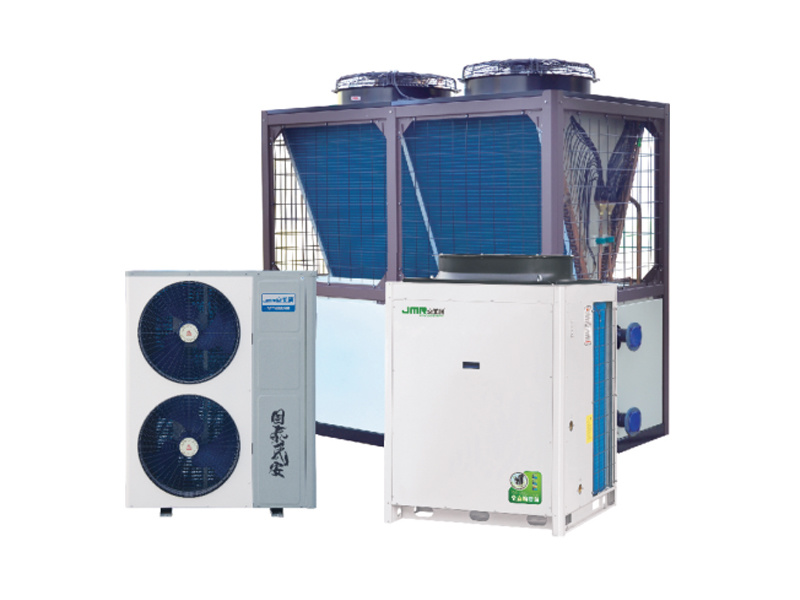
Cold temperature heat pumps (CTHPs) are becoming increasingly recognized in the building and construction industry for their efficiency and versatility, particularly in climates that experience frigid conditions. Unlike traditional heating systems, CTHPs utilize advanced technology to extract heat from the air or ground, providing a sustainable heating option even when external temperatures drop significantly.
The primary mechanism behind cold temperature heat pumps is their ability to transfer heat against its natural flow. By using a refrigerant, the system absorbs heat from outdoor air or the ground, even in cold climates, and compresses it to a higher temperature before circulating it indoors. This process not only effectively heats indoor spaces but also offers a significant reduction in energy consumption compared to conventional heating methods.
One of the most compelling advantages of CTHPs is their energy efficiency. They can produce more energy in the form of heat than they consume in electricity, often achieving a coefficient of performance (COP) greater than one. This means that for every unit of electricity used, multiple units of heat can be generated. As energy costs continue to rise, the long-term savings associated with CTHPs can be substantial, making them an attractive option for both residential and commercial buildings.
Moreover, CTHPs contribute to a more sustainable building design. Their ability to utilize renewable energy sources—such as ambient air or geothermal energy—reduces reliance on fossil fuels, lowering carbon footprints and supporting environmental goals. As more architects and builders prioritize sustainability, incorporating cold temperature heat pumps into new designs aligns well with modern energy efficiency standards.
Installation and maintenance of CTHPs require specialized knowledge, ensuring optimal performance and longevity. Professionals in the construction and building materials industry should ensure that the units are properly sized and installed based on the specific heating needs of the building. Regular maintenance checks are also essential to keep the system running efficiently and to prolong its lifespan.
In terms of applications, cold temperature heat pumps can be used in a variety of settings. From residential homes to large commercial buildings, these systems can be tailored to meet the unique demands of different environments. They can also work in conjunction with existing heating systems, providing a hybrid approach that maximizes efficiency and comfort.
In conclusion, cold temperature heat pumps offer valuable solutions for heating needs, particularly in colder climates. Their efficiency, sustainability, and versatility make them a key consideration for professionals in the building and construction industry. By understanding the benefits and operation of CTHPs, industry experts can make well-informed decisions that enhance heating performance while contributing to a greener future.
The primary mechanism behind cold temperature heat pumps is their ability to transfer heat against its natural flow. By using a refrigerant, the system absorbs heat from outdoor air or the ground, even in cold climates, and compresses it to a higher temperature before circulating it indoors. This process not only effectively heats indoor spaces but also offers a significant reduction in energy consumption compared to conventional heating methods.
One of the most compelling advantages of CTHPs is their energy efficiency. They can produce more energy in the form of heat than they consume in electricity, often achieving a coefficient of performance (COP) greater than one. This means that for every unit of electricity used, multiple units of heat can be generated. As energy costs continue to rise, the long-term savings associated with CTHPs can be substantial, making them an attractive option for both residential and commercial buildings.
Moreover, CTHPs contribute to a more sustainable building design. Their ability to utilize renewable energy sources—such as ambient air or geothermal energy—reduces reliance on fossil fuels, lowering carbon footprints and supporting environmental goals. As more architects and builders prioritize sustainability, incorporating cold temperature heat pumps into new designs aligns well with modern energy efficiency standards.
Installation and maintenance of CTHPs require specialized knowledge, ensuring optimal performance and longevity. Professionals in the construction and building materials industry should ensure that the units are properly sized and installed based on the specific heating needs of the building. Regular maintenance checks are also essential to keep the system running efficiently and to prolong its lifespan.
In terms of applications, cold temperature heat pumps can be used in a variety of settings. From residential homes to large commercial buildings, these systems can be tailored to meet the unique demands of different environments. They can also work in conjunction with existing heating systems, providing a hybrid approach that maximizes efficiency and comfort.
In conclusion, cold temperature heat pumps offer valuable solutions for heating needs, particularly in colder climates. Their efficiency, sustainability, and versatility make them a key consideration for professionals in the building and construction industry. By understanding the benefits and operation of CTHPs, industry experts can make well-informed decisions that enhance heating performance while contributing to a greener future.
Key words:
What Else Might You Learn?