Welcome to Renqiu Aorun Heating Equipment Co., LTD.!


Energy Efficient Heat Pumps: A Sustainable Solution for Home Heating
Release Time:
May 26,2026
Energy Efficient Heat Pumps: A Sustainable Solution for Home Heating Introduction to Energy Efficient Heat Pumps In an era where energy conservation and sustainability are paramount, **energy-efficient heat pumps** have emerged as an innovative solution for home heating. These systems not only provide warmth but also significantly reduce energy consumption and lower utility bills. By harnessing re
Energy Efficient Heat Pumps: A Sustainable Solution for Home Heating
Introduction to Energy Efficient Heat Pumps
In an era where energy conservation and sustainability are paramount, **energy-efficient heat pumps** have emerged as an innovative solution for home heating. These systems not only provide warmth but also significantly reduce energy consumption and lower utility bills. By harnessing renewable energy, heat pumps offer an eco-friendly alternative to traditional heating methods, making them a popular choice among homeowners seeking to minimize their carbon footprint.
Understanding How Heat Pumps Work
Heat pumps operate on a simple principle: they transfer heat from one place to another rather than generating heat through combustion. This process involves the **refrigeration cycle**, where a refrigerant absorbs heat from the air, ground, or water and then releases it indoors. This section will delve deeper into the mechanics of heat pumps, shedding light on their efficiency and versatility.
The Refrigeration Cycle Explained
The refrigeration cycle consists of four main components: the compressor, condenser, expansion valve, and evaporator. Here’s a breakdown of how these components work together:
1. **Evaporator**: The refrigerant absorbs heat from the environment, causing it to evaporate into a gas.
2. **Compressor**: The gas is compressed, raising its temperature and pressure.
3. **Condenser**: The hot gas releases heat indoors, condensing back into a liquid.
4. **Expansion Valve**: This liquid refrigerant expands, lowering its pressure and temperature, ready to absorb heat again.
This cycle can be reversed for cooling purposes, making heat pumps a dual-function system ideal for year-round comfort.
Types of Energy Efficient Heat Pumps
There are several types of heat pumps available, each suited for different environmental conditions and home setups. Let’s explore the most common types:
Air Source Heat Pumps
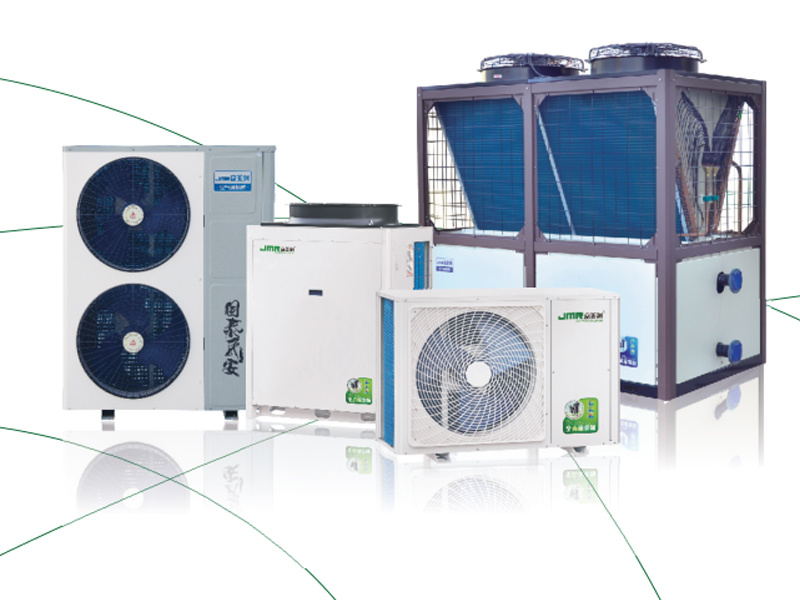
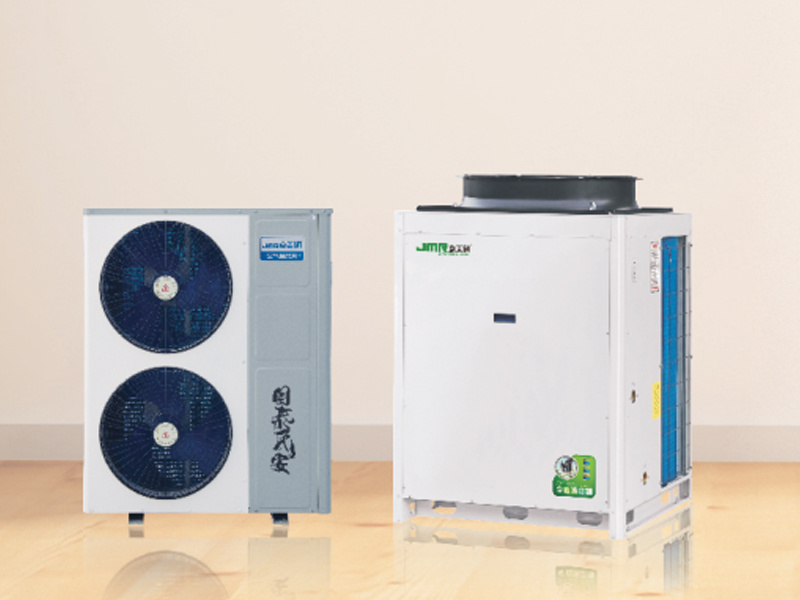
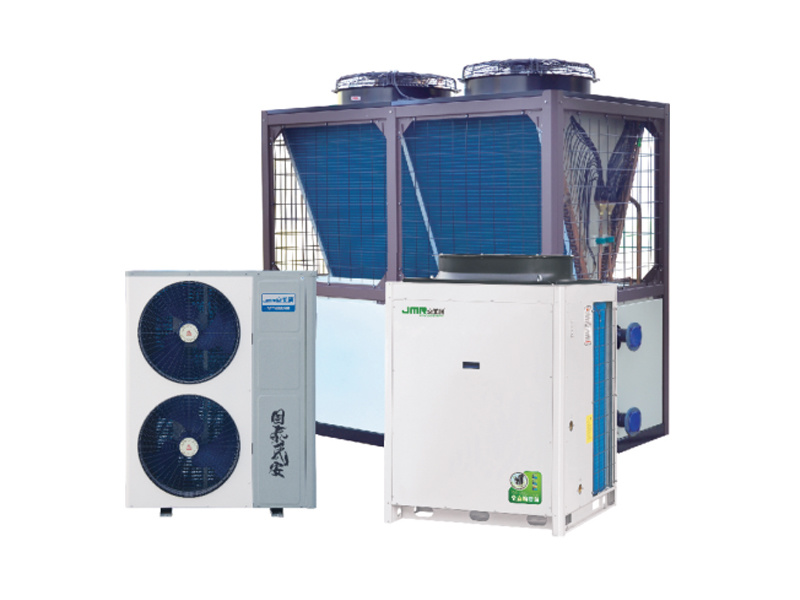
Air source heat pumps extract heat from the outside air. They are widely used due to their affordability and ease of installation. Despite being less efficient in extremely cold temperatures, modern advancements have improved their performance in chilly climates.
Ground Source Heat Pumps
Also known as geothermal heat pumps, these systems use the stable temperature of the ground as a heat source. They require more upfront investment but offer higher efficiency and lower operating costs over time.
Water Source Heat Pumps
These pumps draw heat from nearby water sources, such as lakes or rivers. They are particularly efficient in areas with accessible water bodies and provide consistent heating.
The Benefits of Energy Efficient Heat Pumps
Switching to an energy-efficient heat pump comes with a myriad of advantages. Below are some key benefits that underscore their growing popularity.
1. Cost Savings on Energy Bills
One of the most significant advantages of heat pumps is their ability to reduce energy costs. Compared to traditional heating systems, heat pumps can lower heating bills by up to 50%. The efficiency of heat pumps, measured by the coefficient of performance (COP), often exceeds that of conventional heaters.
2. Environmental Impact
Heat pumps contribute to environmental sustainability by utilizing renewable energy sources. By lowering greenhouse gas emissions, they play a crucial role in combating climate change. Transitioning to heat pumps can significantly reduce a household’s carbon footprint.
3. Versatility and Year-Round Comfort
Heat pumps can both heat and cool your home, making them a versatile solution for year-round comfort. This dual-functionality eliminates the need for separate heating and cooling systems, simplifying home climate control.
4. Low Maintenance Requirements
Heat pumps generally require less maintenance than traditional heating systems. Regular filter changes and annual professional inspections ensure optimal performance, resulting in fewer repairs and lower long-term costs.
5. Eligible for Incentives and Rebates
Many governments and utility companies offer incentives and rebates for homeowners who install energy-efficient heat pumps. These programs can significantly offset installation costs, making them a more affordable option.
Installation Considerations for Heat Pumps
Installing a heat pump is a significant investment, and several factors should be considered to ensure optimal performance.
Choosing the Right Type for Your Home
Selecting the appropriate heat pump type is crucial. Factors such as local climate, available space, and existing infrastructure play a vital role in this decision. Consulting with a professional can help identify the best solution for your specific needs.
Proper Sizing and Placement
An inaccurately sized heat pump can lead to inefficient operation. It’s essential to conduct a load calculation to determine the proper size. Placement also matters; outdoor units should be installed in a location with good airflow and minimal obstructions.
Professional Installation vs. DIY
While some homeowners may consider a DIY installation to save costs, professional installation is highly recommended. Trained technicians ensure that the system is correctly set up, optimizing performance and safety.
Heat Pump Maintenance Tips for Longevity
To maximize the lifespan and efficiency of your heat pump, adhere to regular maintenance practices:
1. Regular Filter Changes
Change or clean filters every one to three months to maintain airflow and efficiency.
2. Annual Professional Inspections
Schedule yearly check-ups with a qualified technician to inspect and service the system.
3. Keep the Outdoor Unit Clear
Ensure that the outdoor unit is free from debris, snow, and ice to maintain optimal performance.
FAQs About Energy Efficient Heat Pumps
1. How do heat pumps compare to traditional heating systems?
Heat pumps are generally more energy-efficient and cost-effective than traditional heating systems, as they transfer heat instead of generating it.
2. Are heat pumps effective in cold climates?
Modern heat pumps are designed to operate efficiently even in cold temperatures, although their performance may vary based on the model and outdoor conditions.
3. What is the lifespan of a heat pump?
With proper maintenance, heat pumps can last between 15 to 20 years.
4. Do heat pumps require a backup heating system?
In extremely cold climates, some homeowners opt for a backup heating system to ensure comfort during winter months.
5. Can I use a heat pump for both heating and cooling?
Yes, heat pumps provide both heating and cooling, making them a versatile option for year-round climate control.
Conclusion
Energy-efficient heat pumps stand as a sustainable solution for home heating, offering an array of benefits that cater to both economic and environmental needs. Their innovative technology, cost savings, and versatility make them an attractive choice for homeowners looking to enhance their comfort while committing to a greener future. By understanding the mechanics, types, and maintenance of heat pumps, homeowners can make informed decisions that lead to a more energy-efficient and sustainable living environment. Transitioning to heat pumps not only warms your home but also contributes positively to the planet—an investment worth considering for every homeowner.
Key words:
What Else Might You Learn?