Welcome to Renqiu Aorun Heating Equipment Co., LTD.!


Why Choose Low Carbon Heat Pumps for Sustainable Building Practices?
Release Time:
May 24,2026
Why Choose Low Carbon Heat Pumps for Sustainable Building Practices? Table of Contents What Are Low Carbon Heat Pumps? Benefits of Low Carbon Heat Pumps How Do Low Carbon Heat Pumps Work? Types of Low Carbon Heat Pumps Environmental Impact of Low Carbon Heat Pumps Cost Considerations for Low Carbon Heat Pumps Installing Low Carbon Heat Pumps: What You Need to Know
Why Choose Low Carbon Heat Pumps for Sustainable Building Practices?
Table of Contents
- What Are Low Carbon Heat Pumps?
- Benefits of Low Carbon Heat Pumps
- How Do Low Carbon Heat Pumps Work?
- Types of Low Carbon Heat Pumps
- Environmental Impact of Low Carbon Heat Pumps
- Cost Considerations for Low Carbon Heat Pumps
- Installing Low Carbon Heat Pumps: What You Need to Know
- Frequently Asked Questions
What Are Low Carbon Heat Pumps?
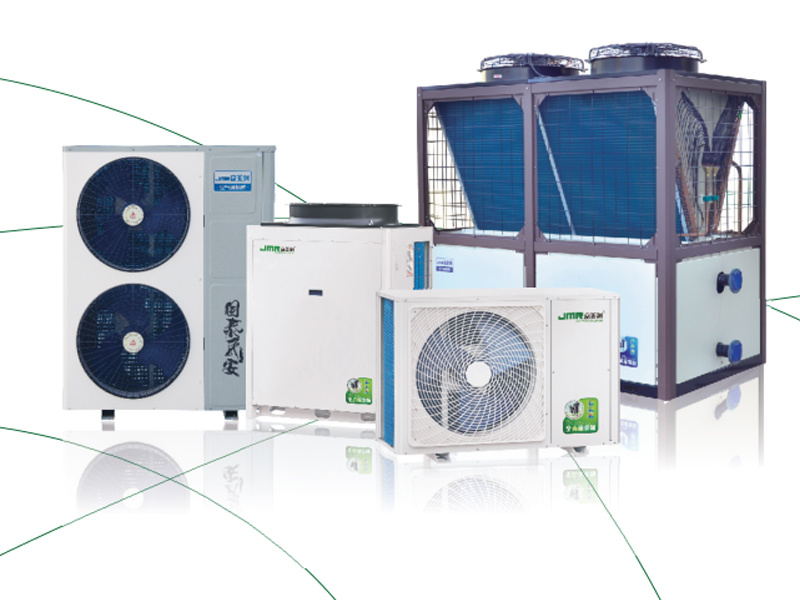
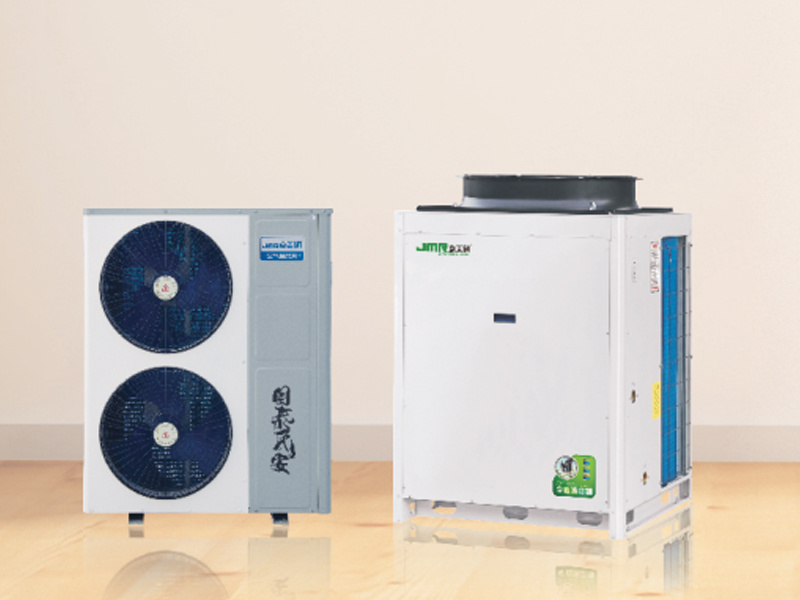
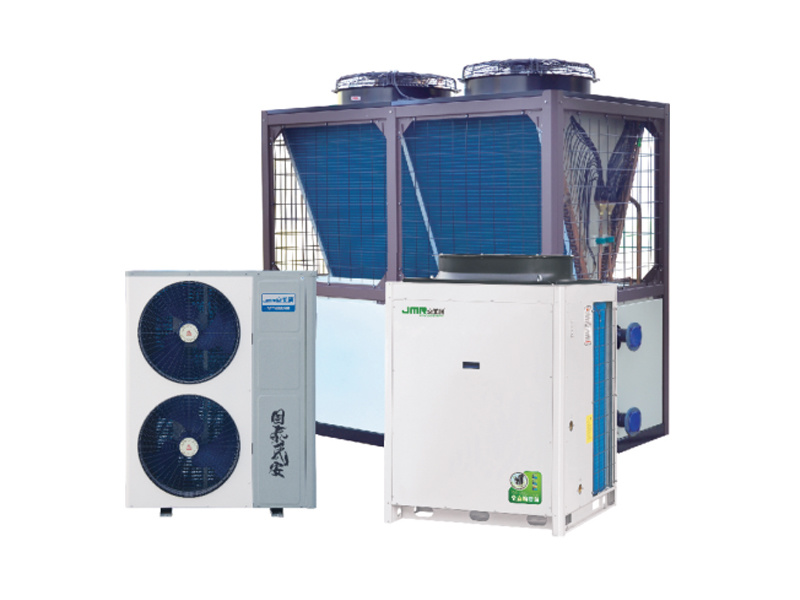
Low carbon heat pumps are advanced heating and cooling systems that utilize renewable energy sources to provide efficient temperature control in buildings. Unlike traditional heating methods that rely on fossil fuels, these systems operate primarily on electricity and are designed to significantly lower carbon emissions. By extracting heat from the environment—be it from the air, ground, or water—low carbon heat pumps can provide an eco-friendly alternative to conventional heating systems while ensuring optimal energy efficiency.
Benefits of Low Carbon Heat Pumps
Adopting low carbon heat pumps can offer numerous advantages for sustainable building practices:
1. Energy Efficiency
Low carbon heat pumps are remarkably efficient, often achieving a coefficient of performance (COP) of 3 or more. This means that for every unit of electricity consumed, they can produce multiple units of heat energy. This high level of efficiency results in lower energy bills and reduced reliance on fossil fuels.
2. Reduced Carbon Footprint
Transitioning to low carbon heat pumps significantly lowers your building's carbon footprint. By using renewable energy sources, these systems help combat climate change by reducing greenhouse gas emissions, aligning perfectly with global sustainability goals.
3. Versatility
Low carbon heat pumps can be used for both heating and cooling, providing year-round climate control without the need for separate systems. This versatility makes them an attractive option for various building types, from residential homes to commercial properties.
4. Low Maintenance Requirements
Heat pumps have fewer moving parts compared to traditional boilers or furnaces, resulting in lower maintenance demands. Routine inspections and occasional servicing are typically all that's needed to ensure optimal performance, saving both time and costs for property owners.
5. Incentives and Rebates
Many governments and local authorities offer incentives and rebates for installing low carbon technologies, making these systems more affordable for building owners. This financial assistance can significantly reduce the initial investment, encouraging sustainable practices.
How Do Low Carbon Heat Pumps Work?
Understanding the operational mechanics of low carbon heat pumps can help clarify their advantages:
1. Heat Exchange Process
Low carbon heat pumps utilize a refrigerant cycle to transfer heat. The system extracts heat from the outside air, ground, or water and concentrates it using a compressor. The heat is then transferred into the building, providing effective heating.
2. Air Source vs. Ground Source
There are different types of low carbon heat pumps, including air source and ground source systems. Air source heat pumps absorb heat from the ambient air, while ground source heat pumps draw heat from the ground. Both systems are efficient but may be suitable for different climates and applications.
Types of Low Carbon Heat Pumps
Choosing the right type of low carbon heat pump is crucial for maximizing efficiency. Below are the primary types:
1. Air Source Heat Pumps
Air source heat pumps are the most common type, suitable for various climates. They are easier to install and tend to be less expensive than ground source options, making them an excellent choice for many homeowners.
2. Ground Source Heat Pumps
Ground source heat pumps are typically more efficient but involve higher installation costs. They require ground loops to be buried underground, making them a more complex solution. However, they offer exceptional performance and can yield significant energy savings in the long run.
3. Hybrid Heat Pumps
Hybrid systems combine heat pumps with conventional heating methods, such as boilers. This approach allows for seamless transitions between systems based on energy efficiency, ensuring comfort while minimizing emissions.
Environmental Impact of Low Carbon Heat Pumps
The environmental benefits of low carbon heat pumps extend beyond reducing carbon footprints. They contribute to:
1. Lower Air Pollution
By relying on clean energy sources, low carbon heat pumps help decrease air pollution associated with fossil fuel combustion. This leads to improved air quality and better health outcomes for communities.
2. Sustainable Resource Utilization
Using renewable energy sources promotes sustainability. Low carbon heat pumps harness energy from the environment, which is abundant and perpetually available, reducing the strain on finite fossil fuels.
3. Climate Change Mitigation
With climate change becoming an increasingly pressing issue, adopting technologies like low carbon heat pumps plays a critical role in mitigating its impacts. By reducing greenhouse gas emissions, we can work toward a more sustainable future.
Cost Considerations for Low Carbon Heat Pumps
While low carbon heat pumps offer long-term savings and environmental advantages, initial costs can vary based on several factors:
1. Installation Costs
The upfront installation costs of low carbon heat pumps can be higher than traditional heating systems. However, potential government incentives can significantly mitigate these expenses.
2. Operating Costs
The operational costs of low carbon heat pumps are typically lower than those of fossil fuel systems, thanks to their high efficiency. Over time, property owners can realize substantial savings on energy bills.
3. Long-Term Savings
Investing in low carbon heat pumps can lead to significant long-term financial savings. Energy-efficient systems reduce dependence on volatile fossil fuel markets, allowing for more predictable and stable energy costs.
Installing Low Carbon Heat Pumps: What You Need to Know
Proper installation is crucial for maximizing the benefits of low carbon heat pumps. Consider the following steps:
1. Conducting a Site Assessment
A professional assessment of your property is essential to determine the most suitable type of heat pump and installation method. Factors such as climate, available space, and existing infrastructure must be considered.
2. Choosing a Qualified Installer
Selecting an experienced and qualified HVAC technician is critical for ensuring proper installation. Poor installation can lead to inefficiencies and negate the system's benefits.
3. Understanding Local Regulations
Familiarize yourself with local building codes and regulations related to heat pump installations. Compliance with these regulations is essential for a successful installation.
Frequently Asked Questions
1. What is the lifespan of a low carbon heat pump?
Low carbon heat pumps typically have a lifespan of 15 to 20 years, depending on usage, maintenance, and installation quality.
2. How much can I save on energy bills with a heat pump?
Savings vary based on energy prices and system efficiency, but many homeowners report savings of 30% or more on heating and cooling costs.
3. Are heat pumps effective in cold climates?
Yes, modern low carbon heat pumps are designed to operate efficiently in colder temperatures. Many systems can maintain performance even in freezing conditions.
4. Do I need a backup heating system?
While many heat pumps can efficiently handle heating needs, some homeowners opt for a backup system—especially in extremely cold climates—ensuring comfort during peak winter conditions.
5. Can I install a low carbon heat pump myself?
While some homeowners may consider DIY installation, consulting a qualified technician is strongly recommended to ensure optimal performance and compliance with local regulations.
Conclusion
Low carbon heat pumps emerge as a compelling choice for those committed to sustainable building practices. With numerous advantages, including energy efficiency, reduced carbon footprints, and long-term savings, these systems align with the global push for greener technologies. As we confront the pressing challenges of climate change, making the switch to low carbon heat pumps can play a pivotal role in fostering a sustainable future. Embracing this innovative technology not only enhances the performance of our buildings but also contributes to a healthier planet for generations to come.
Key words:
What Else Might You Learn?