Welcome to Renqiu Aorun Heating Equipment Co., LTD.!


Understanding Low Temperature Air Source Heat Pumps: A Sustainable Heating Solution
Release Time:
May 23,2026
Low temperature air source heat pumps (ASHPs) are innovative heating systems that utilize the ambient air to provide warmth to residential spaces. These units are particularly effective in moderate climates, where temperatures can drop significantly, but not to extreme lows. Understanding how they work can help consumers make informed decisions regarding home heating solutions. At its core, a low
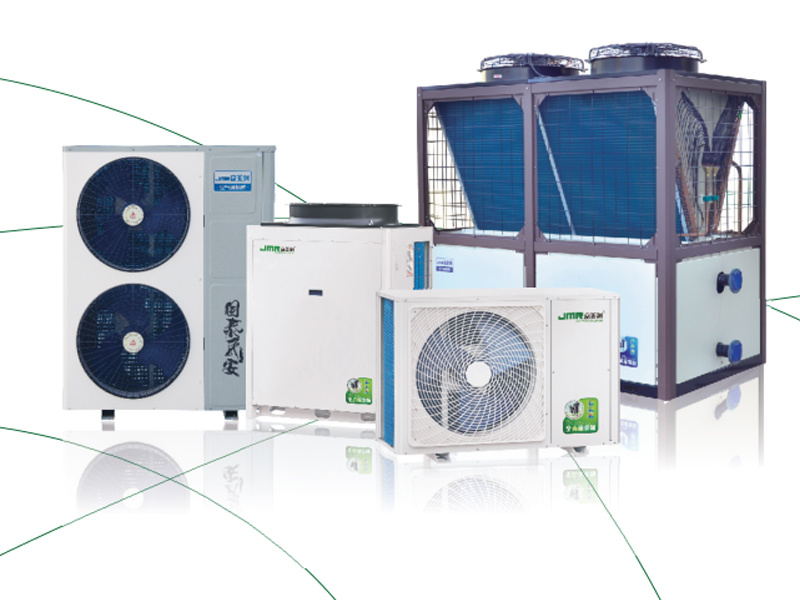
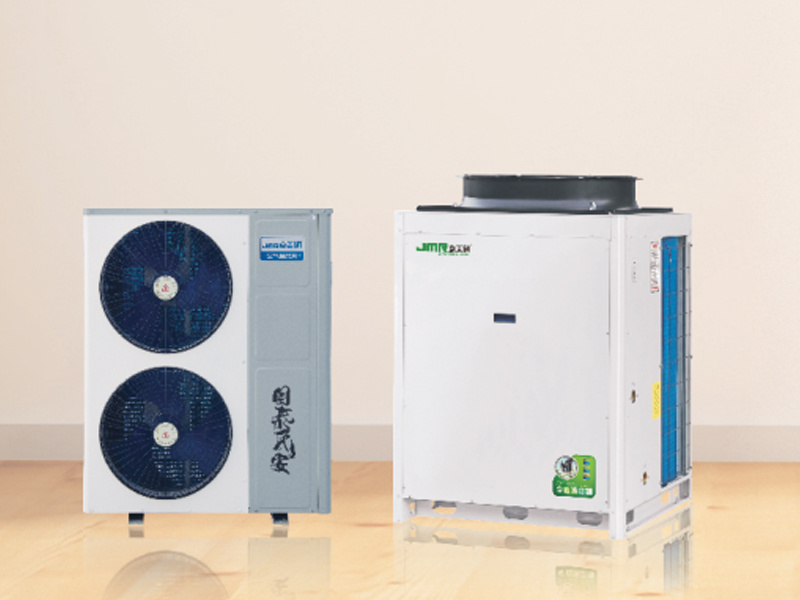
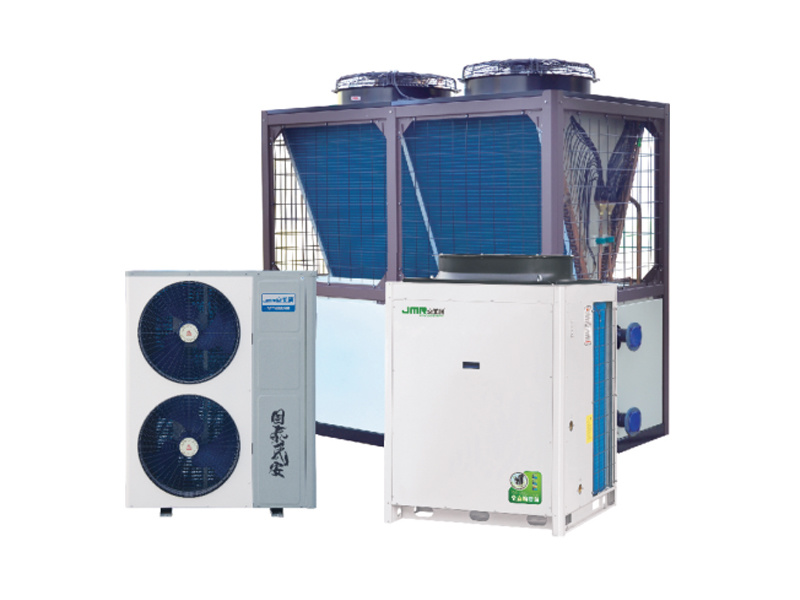
Low temperature air source heat pumps (ASHPs) are innovative heating systems that utilize the ambient air to provide warmth to residential spaces. These units are particularly effective in moderate climates, where temperatures can drop significantly, but not to extreme lows. Understanding how they work can help consumers make informed decisions regarding home heating solutions.
At its core, a low temperature air source heat pump extracts heat from the outside air and transfers it indoors. The mechanism relies on a refrigeration cycle, which involves the evaporation and condensation of refrigerant. When the external air passes over the evaporator coil, it absorbs heat, even in cooler temperatures. This heat is then compressed, raising its temperature, before being released into the home's heating system. The result is a highly efficient method of heating that can significantly reduce energy consumption compared to traditional electric or gas heating systems.
One of the main advantages of low temperature air source heat pumps is their energy efficiency. These systems can produce multiple units of heat for every unit of electricity consumed, often resulting in lower energy bills. Moreover, by harnessing renewable energy from the air, they contribute to a reduction in greenhouse gas emissions, making them an environmentally friendly choice for consumers who are increasingly conscious of their carbon footprint.
Another benefit is their versatility. Low temperature ASHPs can provide both heating and cooling, allowing homeowners to use the same system year-round. In warmer months, the heat pump can reverse its operation, effectively acting as an air conditioner. This multifunctionality can lead to significant cost savings and convenience for consumers.
However, it is essential to consider the specific climate and heating needs of your home when contemplating the installation of a low temperature air source heat pump. While they perform exceptionally well in moderate climates, their efficiency may decrease in extreme cold conditions. Homeowners should assess their local weather patterns and consult with professionals to determine the suitability of an ASHP for their specific situation.
In conclusion, low temperature air source heat pumps represent a sustainable and efficient option for home heating. By understanding their operation and benefits, consumers can make informed choices that align with their energy efficiency goals and environmental values. As technology continues to advance, these systems are likely to become an even more prominent solution in the quest for sustainable living.
At its core, a low temperature air source heat pump extracts heat from the outside air and transfers it indoors. The mechanism relies on a refrigeration cycle, which involves the evaporation and condensation of refrigerant. When the external air passes over the evaporator coil, it absorbs heat, even in cooler temperatures. This heat is then compressed, raising its temperature, before being released into the home's heating system. The result is a highly efficient method of heating that can significantly reduce energy consumption compared to traditional electric or gas heating systems.
One of the main advantages of low temperature air source heat pumps is their energy efficiency. These systems can produce multiple units of heat for every unit of electricity consumed, often resulting in lower energy bills. Moreover, by harnessing renewable energy from the air, they contribute to a reduction in greenhouse gas emissions, making them an environmentally friendly choice for consumers who are increasingly conscious of their carbon footprint.
Another benefit is their versatility. Low temperature ASHPs can provide both heating and cooling, allowing homeowners to use the same system year-round. In warmer months, the heat pump can reverse its operation, effectively acting as an air conditioner. This multifunctionality can lead to significant cost savings and convenience for consumers.
However, it is essential to consider the specific climate and heating needs of your home when contemplating the installation of a low temperature air source heat pump. While they perform exceptionally well in moderate climates, their efficiency may decrease in extreme cold conditions. Homeowners should assess their local weather patterns and consult with professionals to determine the suitability of an ASHP for their specific situation.
In conclusion, low temperature air source heat pumps represent a sustainable and efficient option for home heating. By understanding their operation and benefits, consumers can make informed choices that align with their energy efficiency goals and environmental values. As technology continues to advance, these systems are likely to become an even more prominent solution in the quest for sustainable living.
Key words:
What Else Might You Learn?