Welcome to Renqiu Aorun Heating Equipment Co., LTD.!


How to Maintain Your Low Ambient Heat Pump for Optimal Performance
Release Time:
May 18,2026
Understanding Low Ambient Heat Pumps Low ambient heat pumps are innovative appliances designed to provide heating even in chilly conditions. They work by extracting heat from the outside air and transferring it indoors, making them energy-efficient solutions for heating in various climates. However, to ensure their optimal performance, regular maintenance is essential. In this guide, we will delve
Understanding Low Ambient Heat Pumps
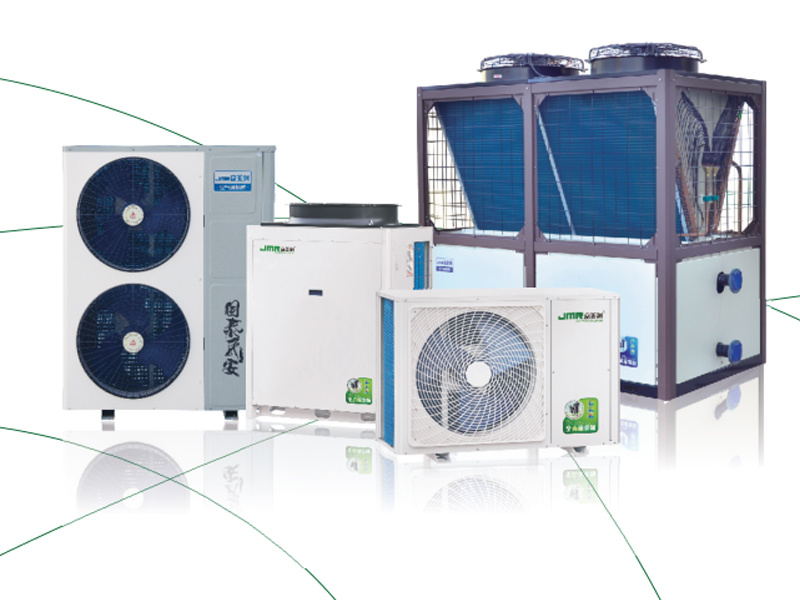
Low ambient heat pumps are innovative appliances designed to provide heating even in chilly conditions. They work by extracting heat from the outside air and transferring it indoors, making them energy-efficient solutions for heating in various climates. However, to ensure their optimal performance, regular maintenance is essential. In this guide, we will delve into how to maintain your low ambient heat pump effectively.
The Importance of Regular Maintenance for Heat Pumps
Regular maintenance is crucial for ensuring that your low ambient heat pump performs efficiently. Neglecting maintenance can lead to a decline in performance, increased energy bills, and a shorter lifespan for the unit. By adhering to a routine maintenance schedule, homeowners can enjoy a consistent and comfortable indoor climate while minimizing repair costs.
Benefits of Maintaining Your Heat Pump
1. **Enhanced Efficiency**: Well-maintained heat pumps operate more efficiently, reducing energy consumption and lowering utility bills.
2. **Extended Lifespan**: Regular checks and repairs can significantly extend the life of your heat pump, saving you money on replacements.
3. **Improved Comfort**: A properly maintained unit ensures optimal heating performance, enhancing comfort levels in your home.
4. **Fewer Repairs**: Routine maintenance helps identify and resolve minor issues before they escalate into costly repairs.
Key Components of Low Ambient Heat Pumps
Before diving into maintenance practices, it's essential to understand the key components of low ambient heat pumps. Familiarity with these parts will help you know where to focus your maintenance efforts.
1. Compressor
The compressor is the heart of the heat pump, responsible for circulating refrigerant and facilitating heat transfer. Keeping it clean and well-lubricated is vital for optimal performance.
2. Evaporator Coil
The evaporator coil absorbs heat from the outside air. If it becomes dirty or frozen, it can hinder performance, making regular checks necessary.
3. Condenser Coil
The condenser coil releases heat indoors. Similar to the evaporator coil, it needs to be free from debris to function efficiently.
4. Expansion Valve
This component regulates refrigerant flow. Ensuring it is functioning correctly is crucial for maintaining the overall efficiency of the heat pump.
Routine Maintenance Tasks
1. Cleaning the Coils
Over time, dust and debris can accumulate on the coils, impacting their efficiency. Perform the following steps for effective cleaning:
- **Turn Off Power**: Always turn off the power to your heat pump before starting any maintenance task.
- **Remove Debris**: Clear away any leaves, dirt, or other debris around the outdoor unit.
- **Clean the Coils**: Use a soft brush or cloth to gently clean the evaporator and condenser coils. For tougher grime, a mixture of mild detergent and water can be used.
2. Checking and Replacing Filters
Filters play a critical role in maintaining air quality and ensuring efficient airflow. Follow these steps:
- **Check Filters Monthly**: Inspect the filters at least once a month. If they appear dirty or clogged, it's time for a replacement.
- **Replace as Needed**: Depending on usage, filters should be replaced every 1-3 months. Opt for high-efficiency filters for optimal performance.
3. Inspecting Ductwork
Leaking ductwork can significantly reduce your heat pump's efficiency. To inspect ductwork:
- **Look for Visible Damage**: Check for any obvious signs of damage or wear.
- **Seal Leaks**: Use duct tape or mastic sealant to seal any leaks you find.
4. Checking Refrigerant Levels
Low refrigerant levels can indicate a leak, which diminishes efficiency. To ensure proper levels:
- **Monitor Performance**: If the heat pump is not heating effectively, it may be due to low refrigerant levels.
- **Call a Professional**: A certified technician should handle refrigerant checks and refills.
Seasonal Maintenance Tips
Different seasons bring unique challenges for heat pump maintenance. Here’s how to adapt your maintenance routine accordingly.
1. Pre-Winter Preparation
- **Inspect Heating Performance**: Before winter, test the heat pump to ensure it heats effectively.
- **Clear Away Debris**: Remove any leaves or snow from around the outdoor unit to prevent blockages.
2. Mid-Winter Checks
- **Monitor Ice Buildup**: In cold conditions, check for ice formation on the coils. If ice accumulates, turn off the unit and let it thaw.
- **Inspect System Noise**: Listen for unusual sounds that could indicate a problem.
3. Spring Tune-Up
- **Prepare for Cooling**: As temperatures rise, reverse the heat pump’s operation to cooling mode to ensure it functions adequately.
- **Check Condenser Coils**: Clean the coils again to prepare for the cooling season.
4. End-of-Season Maintenance
- **Schedule Professional Servicing**: At the end of the heating season, consider a professional inspection to address any issues before summer.
Professional Maintenance Services
While ongoing DIY maintenance is essential, hiring a professional service can bring additional benefits. Here’s what to expect:
1. Comprehensive Inspections
Professionals conduct thorough inspections, identifying issues that may go unnoticed during routine checks.
2. Specialized Cleaning Tools
They use professional-grade tools and cleaners, ensuring a deeper clean for components like coils and ducts.
3. System Performance Testing
Professionals can test the heat pump's performance, making adjustments to optimize efficiency.
Common Issues and Troubleshooting
Despite regular maintenance, issues may arise. Here are some common problems and their troubleshooting steps.
1. Inconsistent Heating
- **Check Thermostat Settings**: Ensure the thermostat is set to the desired temperature.
- **Inspect Filters and Coils**: Clogged filters or dirty coils can impede heating performance.
2. Unusual Noises
- **Identify the Source**: Listen for rattling, banging, or hissing noises that may indicate a loose part or refrigerant leak.
- **Call for Help**: If you cannot identify the problem, consult a professional.
3. High Energy Bills
- **Inspect for Air Leaks**: Check windows and doors for drafts that may be causing energy loss.
- **Evaluate Usage**: Increased usage during extreme weather can also lead to higher bills.
Frequently Asked Questions (FAQs)
1. How often should I maintain my low ambient heat pump?
It’s recommended to perform routine maintenance at least once a year, with additional checks every few months, especially before the heating season.
2. Can I perform maintenance myself?
Yes, homeowners can handle basic maintenance tasks like cleaning coils and replacing filters. However, complex issues should be addressed by a professional.
3. How do I know if my heat pump is performing efficiently?
Signs of efficient performance include consistent heating, low energy bills, and no unusual noises. If you notice a drop in performance, it may require attention.
4. What should I do if my heat pump freezes up?
Turn off the system and allow it to thaw. If the problem persists, contact a professional to investigate potential issues.
5. Is a low ambient heat pump worth the investment?
Yes, despite the initial costs, low ambient heat pumps offer significant energy savings and comfort, making them a worthwhile investment for many homeowners.
Conclusion
Maintaining your low ambient heat pump is crucial for ensuring optimal performance and comfort in your home. By following the outlined maintenance tips and routines, homeowners can extend the lifespan of their units, reduce energy costs, and enjoy a consistently comfortable environment. Regular checks, seasonal adjustments, and professional servicing can help prevent issues and keep your heat pump running efficiently. Embrace these practices to enjoy the benefits of a well-maintained heat pump for years to come.
Key words:
What Else Might You Learn?