Welcome to Renqiu Aorun Heating Equipment Co., LTD.!


The Benefits and Functionality of Energy Efficient Heat Pumps
Release Time:
May 17,2026
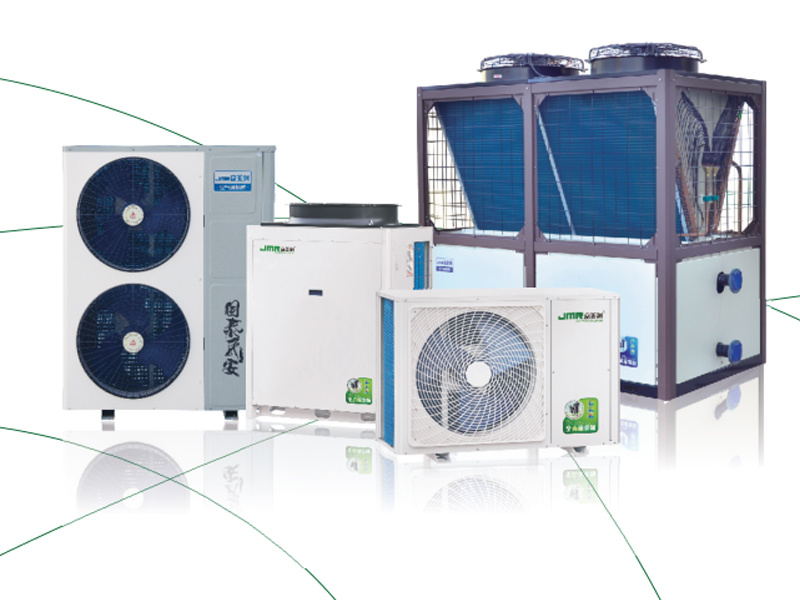
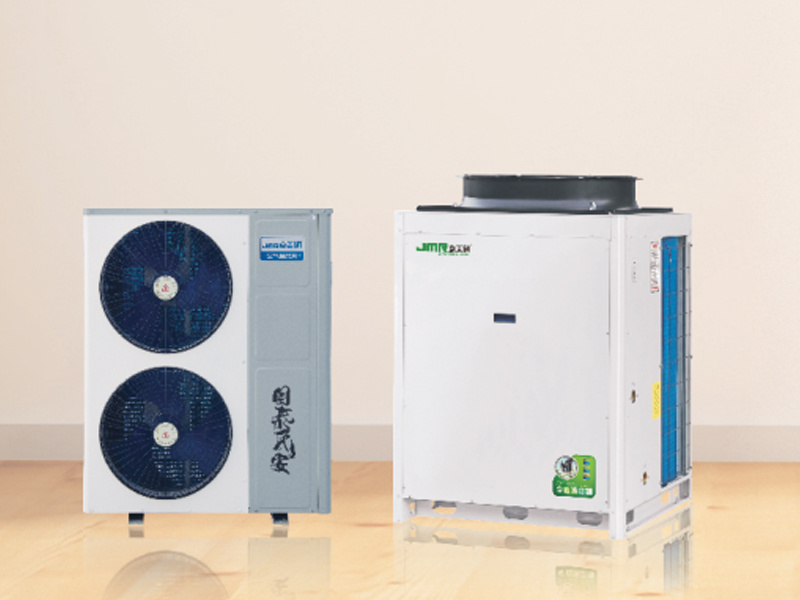
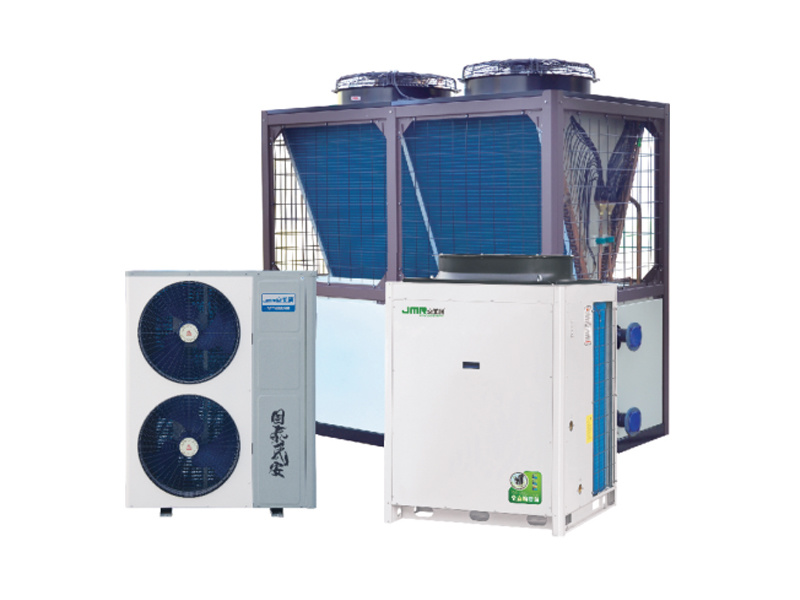
Energy efficient heat pumps are an increasingly popular choice for residential heating and cooling systems. These devices work by transferring heat rather than generating it by burning fuel, which makes them significantly more efficient than traditional heating methods such as gas or electric heaters. In essence, a heat pump extracts heat from the outside air, ground, or water and moves it indoors
Energy efficient heat pumps are an increasingly popular choice for residential heating and cooling systems. These devices work by transferring heat rather than generating it by burning fuel, which makes them significantly more efficient than traditional heating methods such as gas or electric heaters. In essence, a heat pump extracts heat from the outside air, ground, or water and moves it indoors during colder months, and reverses the process in warmer months, providing both heating and cooling capabilities.
One of the key advantages of energy efficient heat pumps is their lower energy consumption. Unlike conventional heating systems that rely on combustion of fossil fuels, heat pumps utilize electricity to move heat. This process can reduce your energy bills significantly, as heat pumps can generate multiple units of heat for every unit of electricity they consume. For example, many heat pumps can achieve efficiency ratings of 300% to 500%, meaning they can produce three to five times more heating energy than the electrical energy they use.
Another benefit of energy efficient heat pumps is their versatility. They can serve not only as heaters but also as air conditioners, making them an all-in-one solution for climate control in your home. This dual functionality can simplify home maintenance and reduce the need for multiple appliances, streamlining your heating and cooling systems.
Moreover, using energy efficient heat pumps contributes positively to environmental sustainability. By reducing reliance on fossil fuels and facilitating the use of renewable energy sources, these systems help lower greenhouse gas emissions. When paired with renewable energy sources such as solar panels, heat pumps can operate with even greater efficiency and minimal environmental impact.
Installing an energy efficient heat pump can also improve indoor air quality. Unlike gas heaters that can produce harmful pollutants, heat pumps circulate air without combustion, thus reducing the potential for indoor air quality issues. This aspect is especially important for households with allergy sufferers or individuals with respiratory conditions.
In conclusion, energy efficient heat pumps present numerous benefits for homeowners seeking to reduce energy costs, increase convenience, and contribute to environmental sustainability. By understanding how these systems operate and their advantages over traditional heating solutions, you can make more informed choices for your home’s heating needs. As technology continues to advance, the efficacy and affordability of energy efficient heat pumps are likely to improve, making them an increasingly viable option for everyday consumers looking to enhance their home comfort.
One of the key advantages of energy efficient heat pumps is their lower energy consumption. Unlike conventional heating systems that rely on combustion of fossil fuels, heat pumps utilize electricity to move heat. This process can reduce your energy bills significantly, as heat pumps can generate multiple units of heat for every unit of electricity they consume. For example, many heat pumps can achieve efficiency ratings of 300% to 500%, meaning they can produce three to five times more heating energy than the electrical energy they use.
Another benefit of energy efficient heat pumps is their versatility. They can serve not only as heaters but also as air conditioners, making them an all-in-one solution for climate control in your home. This dual functionality can simplify home maintenance and reduce the need for multiple appliances, streamlining your heating and cooling systems.
Moreover, using energy efficient heat pumps contributes positively to environmental sustainability. By reducing reliance on fossil fuels and facilitating the use of renewable energy sources, these systems help lower greenhouse gas emissions. When paired with renewable energy sources such as solar panels, heat pumps can operate with even greater efficiency and minimal environmental impact.
Installing an energy efficient heat pump can also improve indoor air quality. Unlike gas heaters that can produce harmful pollutants, heat pumps circulate air without combustion, thus reducing the potential for indoor air quality issues. This aspect is especially important for households with allergy sufferers or individuals with respiratory conditions.
In conclusion, energy efficient heat pumps present numerous benefits for homeowners seeking to reduce energy costs, increase convenience, and contribute to environmental sustainability. By understanding how these systems operate and their advantages over traditional heating solutions, you can make more informed choices for your home’s heating needs. As technology continues to advance, the efficacy and affordability of energy efficient heat pumps are likely to improve, making them an increasingly viable option for everyday consumers looking to enhance their home comfort.
Key words:
What Else Might You Learn?