Welcome to Renqiu Aorun Heating Equipment Co., LTD.!


Unlocking the Potential of High Efficiency Air Source Heat Pumps in Modern Heating Solutions
Release Time:
May 15,2026
High efficiency air source heat pumps (ASHPs) are transforming the landscape of residential heating by offering a sustainable, energy-efficient alternative to traditional heating methods. As a professional in the consumer electronics industry, particularly in the realm of gas heaters, understanding the technical aspects and advantages of ASHPs can be invaluable for future innovations and product d
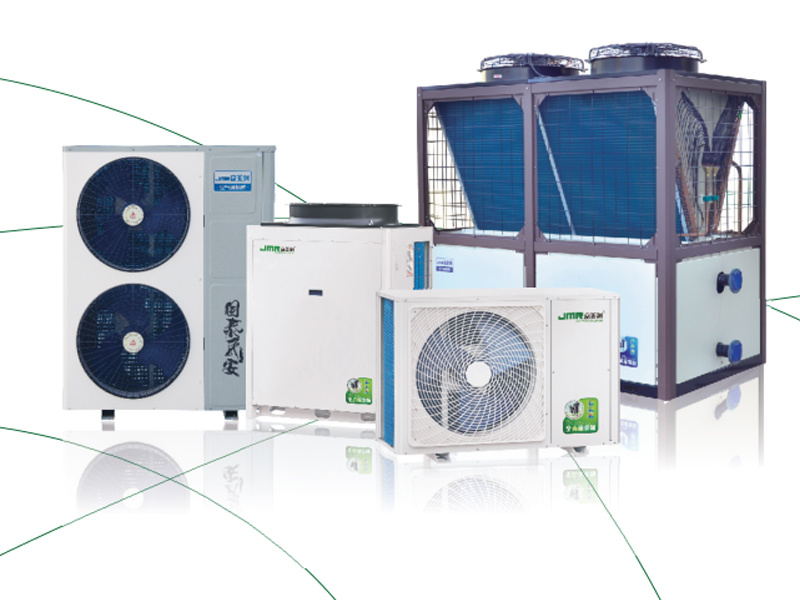
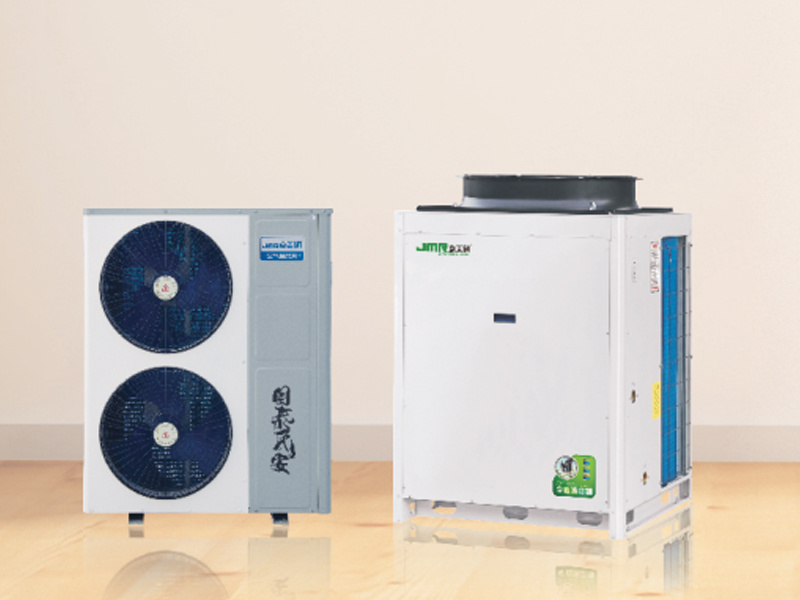
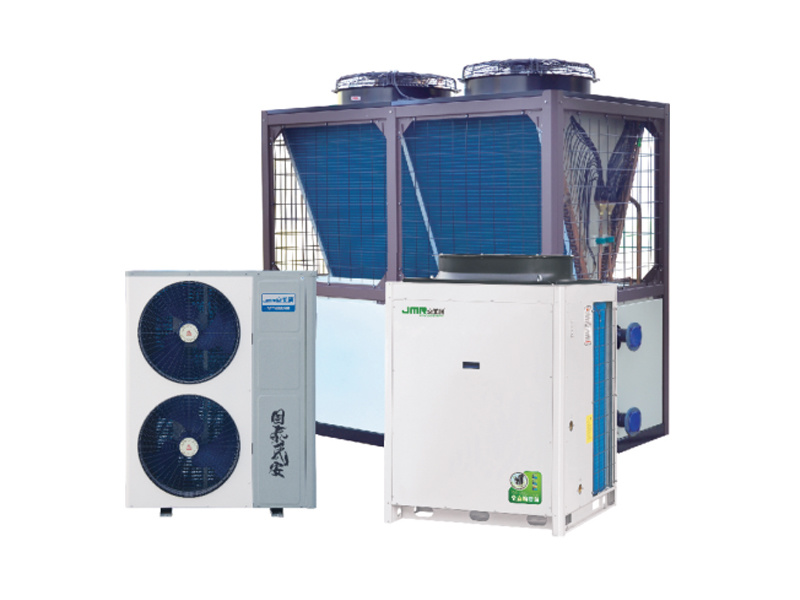
High efficiency air source heat pumps (ASHPs) are transforming the landscape of residential heating by offering a sustainable, energy-efficient alternative to traditional heating methods. As a professional in the consumer electronics industry, particularly in the realm of gas heaters, understanding the technical aspects and advantages of ASHPs can be invaluable for future innovations and product developments.
At their core, high-efficiency air source heat pumps operate by extracting heat from the outside air and transferring it indoors, even when outdoor temperatures are relatively low. This process utilizes a refrigeration cycle that involves an evaporator, compressor, condenser, and expansion valve. The efficiency of these systems is often measured by their Coefficient of Performance (COP), which indicates the ratio of useful heating output to energy input. In optimal conditions, high efficiency ASHPs can achieve a COP of 3 to 5, meaning they can produce three to five units of heat for every unit of electricity consumed.
One of the most significant advantages of high efficiency air source heat pumps is their environmental impact. These systems use renewable energy from the air, drastically reducing greenhouse gas emissions compared to conventional gas heaters. Additionally, they can contribute to lower overall energy consumption, making them a cost-effective option for homeowners looking to reduce their carbon footprint.
Integration of smart technology is another trend on the rise within the high efficiency air source heat pump market. Many modern systems are equipped with smart thermostats and sensors that allow for remote monitoring and control. This not only enhances user convenience but also optimizes energy use by adjusting heating output based on occupancy and preferences. Professionals in the field of consumer electronics can leverage this trend by developing compatible devices that enhance the user experience and expand the functionality of ASHPs.
Moreover, the advancements in inverter technology have significantly improved the performance of high efficiency ASHPs. Inverter-driven compressors can modulate their speed based on heating demands, leading to enhanced efficiency and quieter operation. This innovation aligns perfectly with modern consumer expectations for energy-efficient and noise-reduced appliances.
Finally, while high efficiency air source heat pumps present numerous advantages, it is essential to consider factors such as climate suitability and installation requirements. In colder climates, supplementary heating sources may be necessary during peak winter months. Professionals should also be aware of the importance of proper sizing and installation to maximize the system's efficiency and longevity.
In conclusion, high efficiency air source heat pumps represent a significant advancement in residential heating technology. Their ability to provide sustainable, efficient heating solutions aligns with current environmental goals and consumer demands. By understanding their operation, benefits, and integration with smart technologies, professionals in the consumer electronics sector can better position themselves to meet the evolving needs of their customers in the heating market.
At their core, high-efficiency air source heat pumps operate by extracting heat from the outside air and transferring it indoors, even when outdoor temperatures are relatively low. This process utilizes a refrigeration cycle that involves an evaporator, compressor, condenser, and expansion valve. The efficiency of these systems is often measured by their Coefficient of Performance (COP), which indicates the ratio of useful heating output to energy input. In optimal conditions, high efficiency ASHPs can achieve a COP of 3 to 5, meaning they can produce three to five units of heat for every unit of electricity consumed.
One of the most significant advantages of high efficiency air source heat pumps is their environmental impact. These systems use renewable energy from the air, drastically reducing greenhouse gas emissions compared to conventional gas heaters. Additionally, they can contribute to lower overall energy consumption, making them a cost-effective option for homeowners looking to reduce their carbon footprint.
Integration of smart technology is another trend on the rise within the high efficiency air source heat pump market. Many modern systems are equipped with smart thermostats and sensors that allow for remote monitoring and control. This not only enhances user convenience but also optimizes energy use by adjusting heating output based on occupancy and preferences. Professionals in the field of consumer electronics can leverage this trend by developing compatible devices that enhance the user experience and expand the functionality of ASHPs.
Moreover, the advancements in inverter technology have significantly improved the performance of high efficiency ASHPs. Inverter-driven compressors can modulate their speed based on heating demands, leading to enhanced efficiency and quieter operation. This innovation aligns perfectly with modern consumer expectations for energy-efficient and noise-reduced appliances.
Finally, while high efficiency air source heat pumps present numerous advantages, it is essential to consider factors such as climate suitability and installation requirements. In colder climates, supplementary heating sources may be necessary during peak winter months. Professionals should also be aware of the importance of proper sizing and installation to maximize the system's efficiency and longevity.
In conclusion, high efficiency air source heat pumps represent a significant advancement in residential heating technology. Their ability to provide sustainable, efficient heating solutions aligns with current environmental goals and consumer demands. By understanding their operation, benefits, and integration with smart technologies, professionals in the consumer electronics sector can better position themselves to meet the evolving needs of their customers in the heating market.
Key words:
What Else Might You Learn?