Welcome to Renqiu Aorun Heating Equipment Co., LTD.!


Unlocking the Benefits of Air Conditioning Air Source Heat Pumps for Efficient Home Comfort
Release Time:
May 13,2026
Air conditioning air source heat pumps (ASHPs) are becoming an increasingly popular choice for homeowners seeking efficient heating and cooling solutions. Unlike traditional heating systems, which rely solely on fossil fuels, ASHPs harness the natural heat from the air outside, making them an eco-friendly option. This innovative technology operates by transferring heat between the inside and outsi
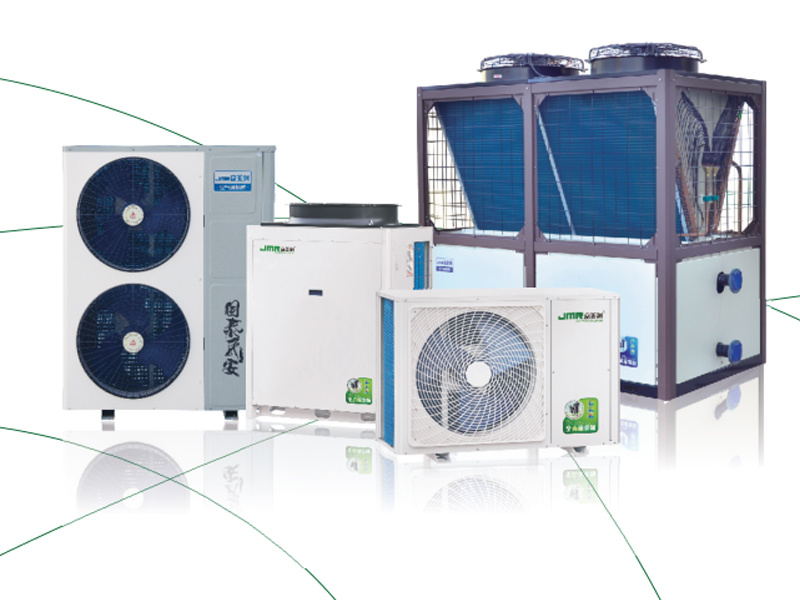
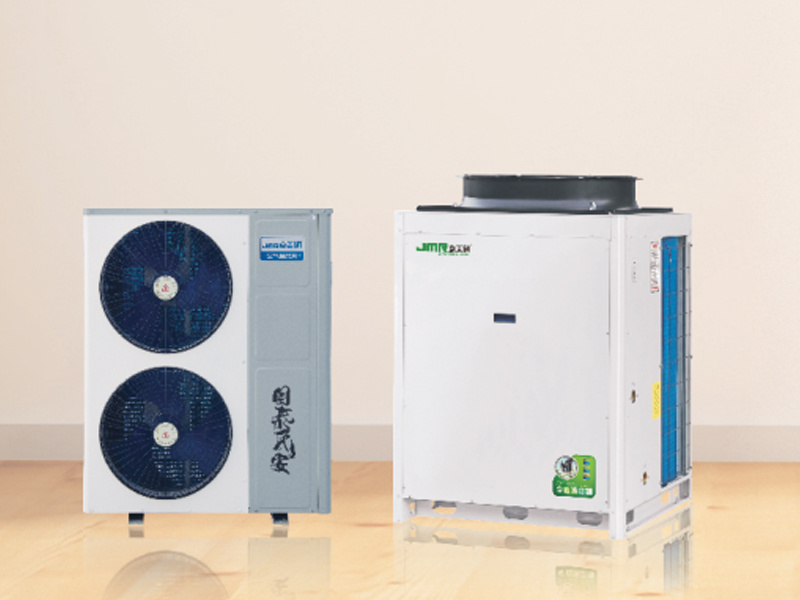
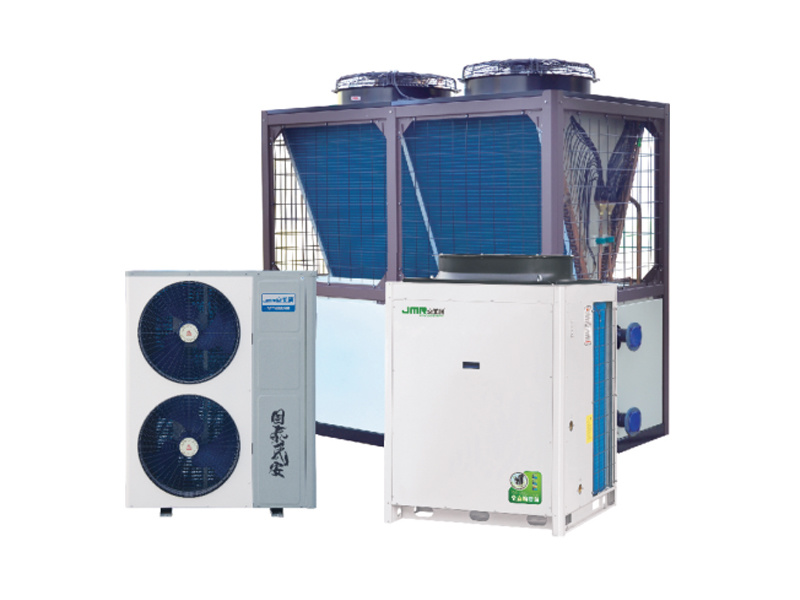
Air conditioning air source heat pumps (ASHPs) are becoming an increasingly popular choice for homeowners seeking efficient heating and cooling solutions. Unlike traditional heating systems, which rely solely on fossil fuels, ASHPs harness the natural heat from the air outside, making them an eco-friendly option. This innovative technology operates by transferring heat between the inside and outside of a home, ensuring optimal comfort regardless of the season.
The principle behind air source heat pumps is relatively straightforward. During warmer months, the unit absorbs heat from the outside air and removes it from your home, effectively cooling the indoor environment. Conversely, in colder months, it reverses the process by extracting warmth from the outside air—even at low temperatures—and transferring it indoors. This dual functionality makes ASHPs versatile for year-round climate control.
One of the most significant benefits of air conditioning air source heat pumps is their energy efficiency. These systems can provide up to three times more heat energy than the electrical energy they consume, yielding a high coefficient of performance (COP). This means that for every unit of electricity used, you can receive multiple units of heating or cooling energy, translating into reduced energy bills. Additionally, many governments offer incentives for installing energy-efficient technologies like air source heat pumps, making them a financially attractive option in the long run.
Another advantage of ASHPs is their relatively low environmental impact. As they run on electricity and utilize renewable heat from the air, they contribute to reduced carbon emissions compared to conventional heating systems that rely on gas or oil. By switching to an air source heat pump, homeowners can significantly lower their carbon footprint, aligning their heating and cooling strategies with sustainability goals.
Installation of air conditioning air source heat pumps can be less intrusive than traditional systems. They require minimal ductwork, which can simplify the installation process and reduce renovation costs. This aspect is particularly beneficial for homeowners who want to upgrade their heating or cooling systems without undergoing extensive remodeling.
However, it's important to consider the climate in your area. While air source heat pumps work efficiently in a variety of conditions, their performance may be affected in extreme cold temperatures. In such cases, a supplemental heating source may be necessary to maintain comfort levels. Consulting with a qualified HVAC professional can help determine the best system tailored to your specific climate and needs.
In summary, air conditioning air source heat pumps offer an innovative and efficient solution for year-round home comfort. Their ability to provide both heating and cooling, combined with energy savings and environmental benefits, makes them an excellent choice for homeowners looking to enhance their living spaces while contributing to a more sustainable future.
The principle behind air source heat pumps is relatively straightforward. During warmer months, the unit absorbs heat from the outside air and removes it from your home, effectively cooling the indoor environment. Conversely, in colder months, it reverses the process by extracting warmth from the outside air—even at low temperatures—and transferring it indoors. This dual functionality makes ASHPs versatile for year-round climate control.
One of the most significant benefits of air conditioning air source heat pumps is their energy efficiency. These systems can provide up to three times more heat energy than the electrical energy they consume, yielding a high coefficient of performance (COP). This means that for every unit of electricity used, you can receive multiple units of heating or cooling energy, translating into reduced energy bills. Additionally, many governments offer incentives for installing energy-efficient technologies like air source heat pumps, making them a financially attractive option in the long run.
Another advantage of ASHPs is their relatively low environmental impact. As they run on electricity and utilize renewable heat from the air, they contribute to reduced carbon emissions compared to conventional heating systems that rely on gas or oil. By switching to an air source heat pump, homeowners can significantly lower their carbon footprint, aligning their heating and cooling strategies with sustainability goals.
Installation of air conditioning air source heat pumps can be less intrusive than traditional systems. They require minimal ductwork, which can simplify the installation process and reduce renovation costs. This aspect is particularly beneficial for homeowners who want to upgrade their heating or cooling systems without undergoing extensive remodeling.
However, it's important to consider the climate in your area. While air source heat pumps work efficiently in a variety of conditions, their performance may be affected in extreme cold temperatures. In such cases, a supplemental heating source may be necessary to maintain comfort levels. Consulting with a qualified HVAC professional can help determine the best system tailored to your specific climate and needs.
In summary, air conditioning air source heat pumps offer an innovative and efficient solution for year-round home comfort. Their ability to provide both heating and cooling, combined with energy savings and environmental benefits, makes them an excellent choice for homeowners looking to enhance their living spaces while contributing to a more sustainable future.
Key words:
What Else Might You Learn?