Welcome to Renqiu Aorun Heating Equipment Co., LTD.!


Transform Your Home Heating with High Efficiency Air Source Heat Pumps
Release Time:
May 12,2026
Transform Your Home Heating with High Efficiency Air Source Heat Pumps As the seasons change, ensuring a warm and comfortable home becomes a priority for many homeowners. Traditional heating systems often fall short in terms of efficiency and cost-effectiveness. Fortunately, **high-efficiency air source heat pumps** (ASHPs) present a modern solution for transforming your home heating experience. I
Transform Your Home Heating with High Efficiency Air Source Heat Pumps
As the seasons change, ensuring a warm and comfortable home becomes a priority for many homeowners. Traditional heating systems often fall short in terms of efficiency and cost-effectiveness. Fortunately, **high-efficiency air source heat pumps** (ASHPs) present a modern solution for transforming your home heating experience. In this comprehensive guide, we will delve into the numerous benefits and functionalities of ASHPs, helping you understand why they are an excellent choice for your home heating needs.
Table of Contents
- Understanding Air Source Heat Pumps
- Benefits of Using Air Source Heat Pumps
- How Air Source Heat Pumps Work
- Installation Process of Air Source Heat Pumps
- Air Source Heat Pumps vs Traditional Heating Systems
- Maintenance Tips for Air Source Heat Pumps
- Cost Considerations for Air Source Heat Pumps
- Frequently Asked Questions
Understanding Air Source Heat Pumps
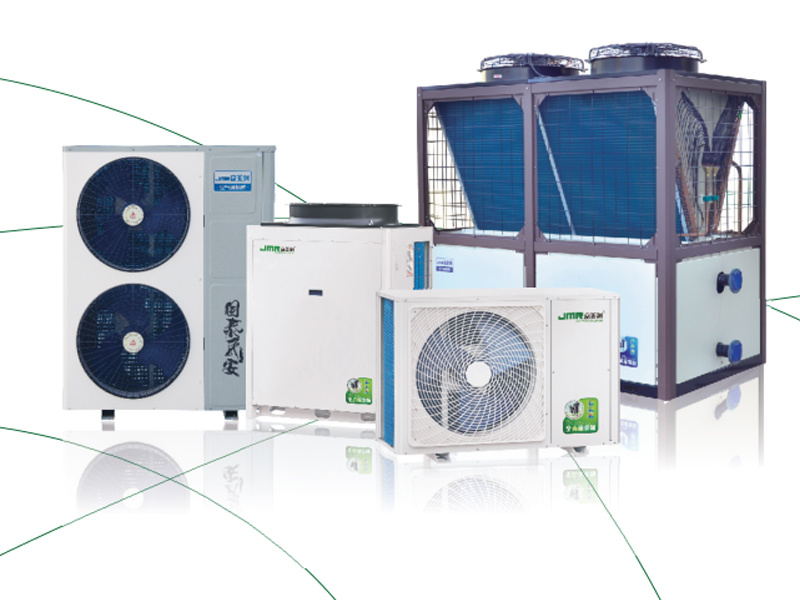
Air source heat pumps are versatile heating and cooling systems that draw heat from the outside air, even in colder temperatures. They work by transferring heat rather than generating it through combustion, making them an **energy-efficient** option for home heating. ASHPs can be used in various settings, including residential homes, commercial buildings, and even for water heating.
The Technology Behind Air Source Heat Pumps
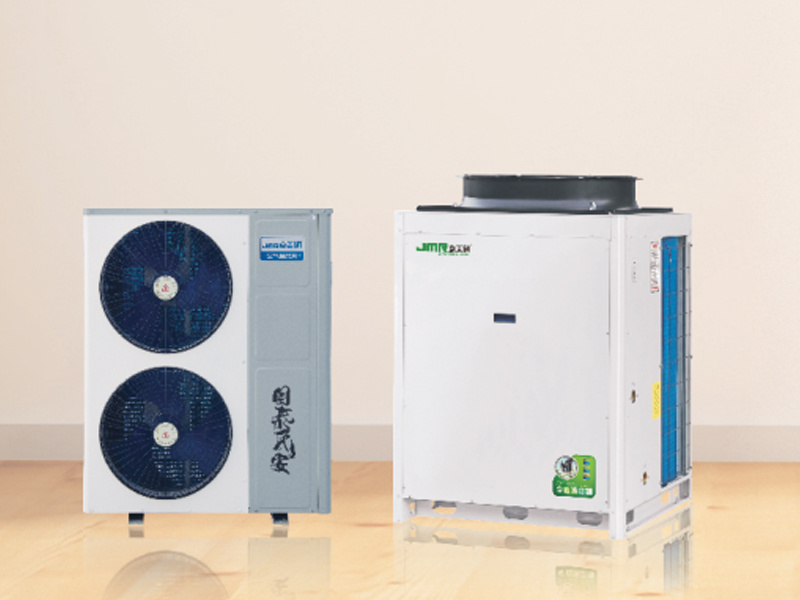
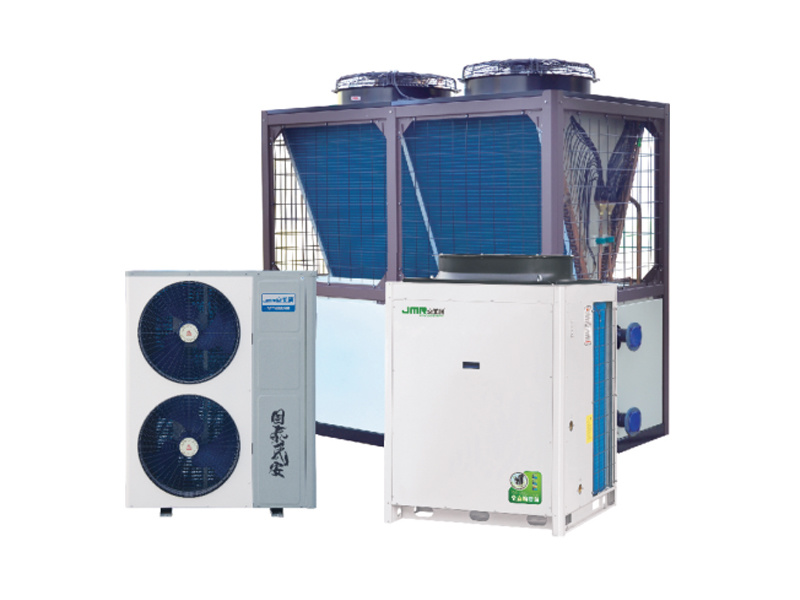
The technology found in air source heat pumps is both innovative and efficient. These systems use a refrigerant that absorbs heat from the outside air and transfers it indoors. They consist of two main components: an outdoor unit and an indoor unit. The outdoor unit contains the compressor and the evaporator coil, while the indoor unit features the condenser coil and the fan. By circulating the refrigerant between these units, ASHPs can effectively heat or cool your home.
Benefits of Using Air Source Heat Pumps
High-efficiency air source heat pumps offer several advantages over conventional heating solutions. Here are some key benefits that make them a compelling choice for homeowners:
1. Energy Efficiency and Cost Savings
One of the most significant advantages of ASHPs is their energy efficiency. They can achieve efficiencies of up to 300% or more, meaning they can produce three times more energy than they consume. This efficiency translates into lower energy bills and reduced environmental impact, making ASHPs an eco-friendly option for heating.
2. Dual Functionality: Heating and Cooling
ASHPs serve as both heating and cooling systems, which means you can enjoy year-round comfort without needing separate systems for each season. This dual functionality can save you money on installation and maintenance, making it a cost-effective solution for climate control.
3. Minimal Environmental Impact
By utilizing renewable energy from the air, air source heat pumps significantly reduce greenhouse gas emissions compared to traditional heating methods such as fossil fuels. This environmentally friendly aspect aligns with the growing demand for sustainable living solutions.
4. Low Maintenance Requirements
Air source heat pumps require relatively low maintenance compared to traditional heating systems. Routine checks and occasional filter replacements can ensure optimal performance, saving you time and money in the long run.
5. Increased Home Value
Installing an air source heat pump can enhance your home's value. As energy efficiency becomes increasingly important to buyers, having an ASHP system in place can make your property more attractive in a competitive market.
How Air Source Heat Pumps Work
Understanding how air source heat pumps function is crucial for appreciating their efficiency and effectiveness. Here’s a breakdown of the process:
1. Heat Absorption
The outdoor unit contains an evaporator coil filled with refrigerant. As the outside air passes over the coil, the refrigerant absorbs heat and transforms from a liquid into a gas.
2. Compression
The gaseous refrigerant then travels to the compressor, where it is compressed and heated further. This process increases its temperature, allowing it to hold more heat.
3. Heat Distribution
The heated gas then moves to the indoor unit, where it passes through the condenser coil. As the gas cools, it releases heat into the indoor environment, warming your home.
4. Repeating the Cycle
Finally, the refrigerant returns to the outdoor unit as a liquid, and the cycle repeats. This continuous process allows ASHPs to maintain a consistent temperature in your home efficiently.
Installation Process of Air Source Heat Pumps
Installing an air source heat pump involves several steps to ensure optimal performance. Here’s what to expect during the installation process:
1. Initial Assessment
A qualified technician will assess your home to determine the appropriate size and capacity of the heat pump needed for efficient heating. They will consider factors such as the size of your home, insulation quality, and existing ductwork.
2. Planning and Design
Once the assessment is complete, the technician will design the system layout, including the placement of the outdoor and indoor units. Proper placement is crucial for maximizing efficiency and ensuring unobstructed airflow.
3. Installation of Indoor and Outdoor Units
The technician will install the outdoor unit, ensuring it is level and located in an area with good airflow. The indoor unit will be connected to the outdoor unit through refrigerant lines, electrical wiring, and drainage pipes.
4. System Testing
After installation, the technician will conduct thorough testing to ensure that the system operates correctly. This phase includes checking for refrigerant leaks, verifying electrical connections, and ensuring the thermostat functions properly.
5. User Education
Finally, the technician will provide information on how to operate and maintain your new air source heat pump. Understanding your system is essential for maximizing its efficiency and lifespan.
Air Source Heat Pumps vs Traditional Heating Systems
When considering home heating options, it’s essential to weigh the advantages of air source heat pumps against traditional heating systems. Here’s how they compare:
1. Efficiency
ASHPs outperform many traditional heating systems in terms of efficiency. While conventional systems often operate at around 70-90% efficiency, ASHPs can achieve efficiencies exceeding 300%, offering significant savings on energy costs.
2. Environmental Impact
Traditional heating methods, especially those relying on fossil fuels, contribute significantly to carbon emissions. In contrast, ASHPs use renewable energy from the air, leading to a much lower environmental footprint.
3. Installation Costs
While the initial installation costs for air source heat pumps may be higher than traditional systems, the long-term savings on energy bills often offset this investment. Additionally, various incentives and rebates may be available to help reduce upfront costs.
4. Comfort and Climate Control
ASHPs provide consistent heating and cooling, ensuring year-round comfort. Traditional systems may struggle to maintain stable temperatures, leading to hot or cold spots in your home.
Maintenance Tips for Air Source Heat Pumps
Proper maintenance is crucial for maximizing the efficiency and lifespan of your air source heat pump. Here are some essential maintenance tips:
1. Regular Filter Checks
Check and replace the air filters regularly to ensure optimal airflow and efficiency. Clogged filters can strain the system and lead to increased energy costs.
2. Seasonal Inspections
Schedule seasonal inspections with a qualified technician to ensure that your system is operating efficiently. Regular maintenance can help identify potential issues before they become significant problems.
3. Keep the Outdoor Unit Clear
Ensure that the outdoor unit is free from debris, vegetation, and snow accumulation. This clearance allows for proper airflow and enhances the system's efficiency.
4. Monitor Performance
Keep an eye on the performance of your heat pump. If you notice any unusual noises, increased energy bills, or inconsistent heating/cooling, contact a technician for an assessment.
Cost Considerations for Air Source Heat Pumps
When contemplating the installation of an air source heat pump, it’s crucial to consider the associated costs:
1. Initial Installation Costs
The cost of installing an air source heat pump can vary significantly based on factors such as the size of the system, the complexity of installation, and your location. On average, homeowners can expect to invest between $8,000 and $15,000 for a complete system.
2. Energy Savings
Despite the initial investment, ASHPs can lead to substantial energy savings over time. Homeowners can see reductions in their energy bills ranging from 30% to 50%, depending on usage and local energy costs.
3. Available Incentives
Many governments and utility companies offer incentives for installing energy-efficient systems like air source heat pumps. Research available rebates and tax credits in your area to help offset initial costs.
Frequently Asked Questions
1. How long do air source heat pumps last?
With proper maintenance, air source heat pumps can last between 15 to 20 years, providing reliable service throughout their lifespan.
2. Are air source heat pumps noisy?
While ASHPs produce some noise during operation, modern models are designed to operate quietly. Indoor units are typically quieter than traditional heating systems.
3. Can air source heat pumps work in cold climates?
Yes, high-efficiency air source heat pumps are designed to work efficiently even in cold temperatures. However, in extremely cold conditions, a supplemental heating source may be required for optimal performance.
4. What is the difference between air source heat pumps and geothermal heat pumps?
Air source heat pumps extract heat from the outside air, whereas geothermal heat pumps utilize heat from the ground. Geothermal systems tend to have higher upfront costs but can offer greater efficiency in the long term.
5. Do air source heat pumps require ductwork?
Some air source heat pumps are ductless, meaning they can be installed without existing ductwork. Ductless systems use indoor units mounted on walls to distribute heat or cool air directly into rooms.
Conclusion
High-efficiency air source heat pumps offer a transformative solution for home heating, combining energy efficiency, environmental benefits, and cost savings. By understanding the technology, benefits, and considerations involved, homeowners can make informed decisions about upgrading their heating systems. Investing in an air source heat pump not only enhances comfort but also contributes to a sustainable future, making it a wise choice for any modern home. Embrace the future of home heating and experience the comfort and efficiency that air source heat pumps provide.
Key words:
What Else Might You Learn?