Welcome to Renqiu Aorun Heating Equipment Co., LTD.!


Understanding Cold Temperature Heat Pumps: A Smart Solution for Efficient Heating
Release Time:
Apr 21,2026
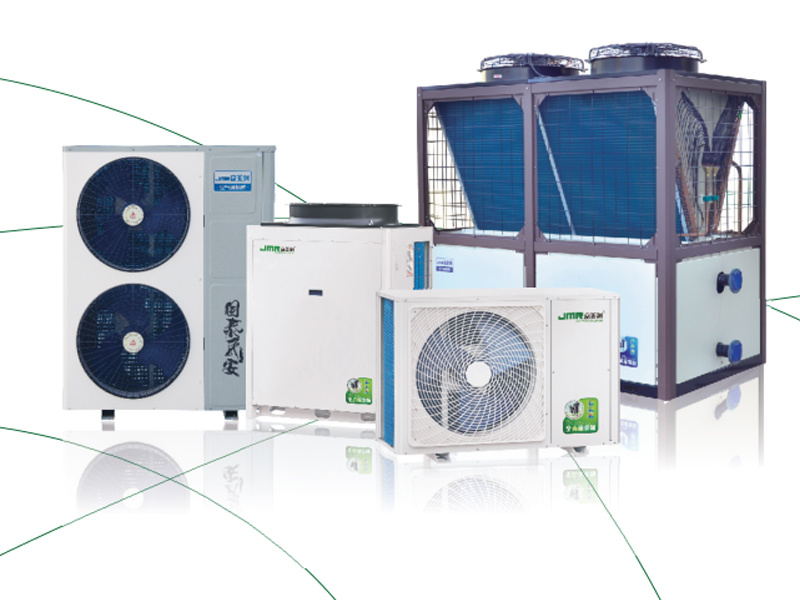
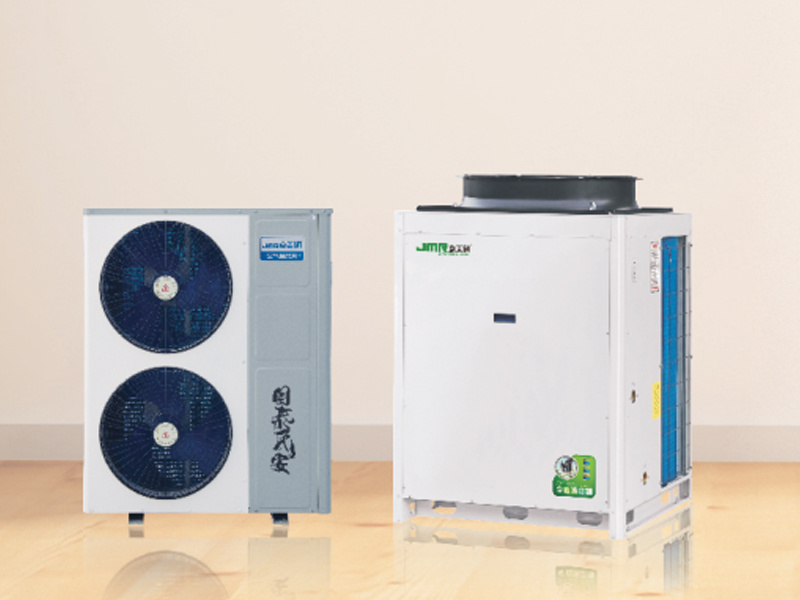
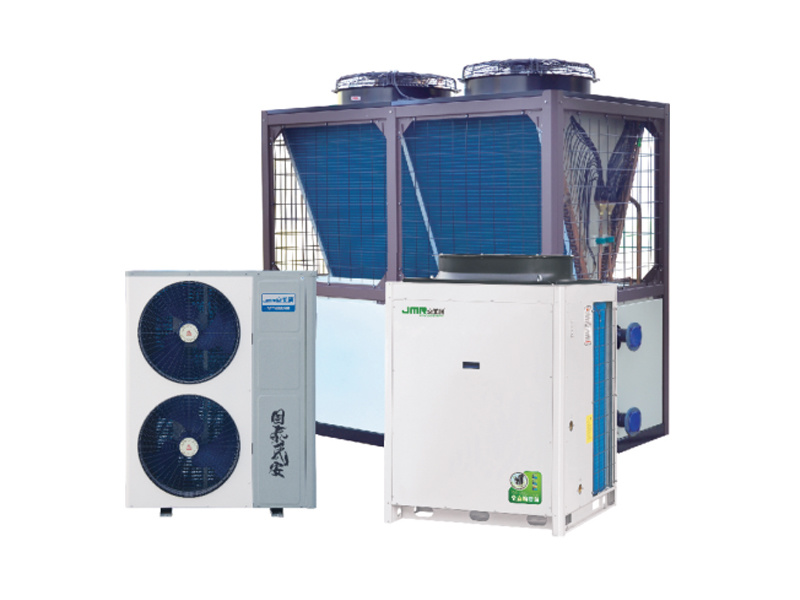
Cold temperature heat pumps (CTHPs) are advanced heating systems designed to operate efficiently in low-temperature environments. Unlike traditional heating systems that rely on fossil fuels or electrical resistance, CTHPs utilize a method known as heat transfer, which allows them to extract heat from the outside air—even in freezing conditions—and transfer it indoors. This innovative technology n
Cold temperature heat pumps (CTHPs) are advanced heating systems designed to operate efficiently in low-temperature environments. Unlike traditional heating systems that rely on fossil fuels or electrical resistance, CTHPs utilize a method known as heat transfer, which allows them to extract heat from the outside air—even in freezing conditions—and transfer it indoors. This innovative technology not only reduces energy consumption but also lowers greenhouse gas emissions, making it an eco-friendly alternative for heating buildings.
One of the key benefits of cold temperature heat pumps is their ability to maintain efficiency at lower outdoor temperatures. Many conventional heat pumps struggle to provide adequate heating when temperatures drop significantly. In contrast, CTHPs are engineered with enhanced compressors and refrigerants that allow them to operate effectively, even when the temperature falls below freezing. This makes them ideal for regions that experience harsh winters, ensuring that indoor spaces remain comfortable regardless of outdoor conditions.
In addition to their operational advantages, cold temperature heat pumps can lead to significant cost savings. Though the initial investment may be higher compared to traditional heating systems, the energy efficiency gained over time can result in lower utility bills. As CTHPs consume less energy by extracting existing heat from the air, users can expect a decrease in their heating costs, especially during the cold months when heating demands are at their peak.
Furthermore, cold temperature heat pumps are versatile and can be integrated into various building designs. They can be used for space heating, water heating, and even cooling in summer, making them a multifunctional solution for both residential and commercial properties. This adaptability allows architects and builders to incorporate CTHPs into their projects without sacrificing design or functionality, providing a seamless heating solution for contemporary buildings.
As the construction industry continues to prioritize sustainability and energy efficiency, the adoption of cold temperature heat pumps is likely to grow. Building professionals are increasingly recognizing the value of environmentally friendly technologies that not only meet regulatory requirements but also appeal to eco-conscious consumers.
In conclusion, cold temperature heat pumps represent a forward-thinking approach to heating solutions, particularly in regions with colder climates. With their ability to function efficiently in low temperatures, potential for cost savings, and versatility in applications, CTHPs are poised to be a popular choice in modern building projects. As more professionals in the construction and building materials industry become informed about their benefits, the transition towards sustainable heating technologies will likely accelerate, paving the way for greener, more energy-efficient buildings.
One of the key benefits of cold temperature heat pumps is their ability to maintain efficiency at lower outdoor temperatures. Many conventional heat pumps struggle to provide adequate heating when temperatures drop significantly. In contrast, CTHPs are engineered with enhanced compressors and refrigerants that allow them to operate effectively, even when the temperature falls below freezing. This makes them ideal for regions that experience harsh winters, ensuring that indoor spaces remain comfortable regardless of outdoor conditions.
In addition to their operational advantages, cold temperature heat pumps can lead to significant cost savings. Though the initial investment may be higher compared to traditional heating systems, the energy efficiency gained over time can result in lower utility bills. As CTHPs consume less energy by extracting existing heat from the air, users can expect a decrease in their heating costs, especially during the cold months when heating demands are at their peak.
Furthermore, cold temperature heat pumps are versatile and can be integrated into various building designs. They can be used for space heating, water heating, and even cooling in summer, making them a multifunctional solution for both residential and commercial properties. This adaptability allows architects and builders to incorporate CTHPs into their projects without sacrificing design or functionality, providing a seamless heating solution for contemporary buildings.
As the construction industry continues to prioritize sustainability and energy efficiency, the adoption of cold temperature heat pumps is likely to grow. Building professionals are increasingly recognizing the value of environmentally friendly technologies that not only meet regulatory requirements but also appeal to eco-conscious consumers.
In conclusion, cold temperature heat pumps represent a forward-thinking approach to heating solutions, particularly in regions with colder climates. With their ability to function efficiently in low temperatures, potential for cost savings, and versatility in applications, CTHPs are poised to be a popular choice in modern building projects. As more professionals in the construction and building materials industry become informed about their benefits, the transition towards sustainable heating technologies will likely accelerate, paving the way for greener, more energy-efficient buildings.
Key words:
What Else Might You Learn?