Welcome to Renqiu Aorun Heating Equipment Co., LTD.!


Exploring the Benefits of Low Temperature Air Source Heat Pumps in Modern Heating Solutions
Release Time:
Apr 15,2026
Low temperature air source heat pumps (ASHPs) represent a revolutionary advancement in the heating industry, particularly within the consumer electronics sector, including home appliances such as gas heaters. By harnessing ambient air, these systems efficiently transfer heat, providing a sustainable alternative to conventional heating methods while catering to the needs of homeowners seeking comfo
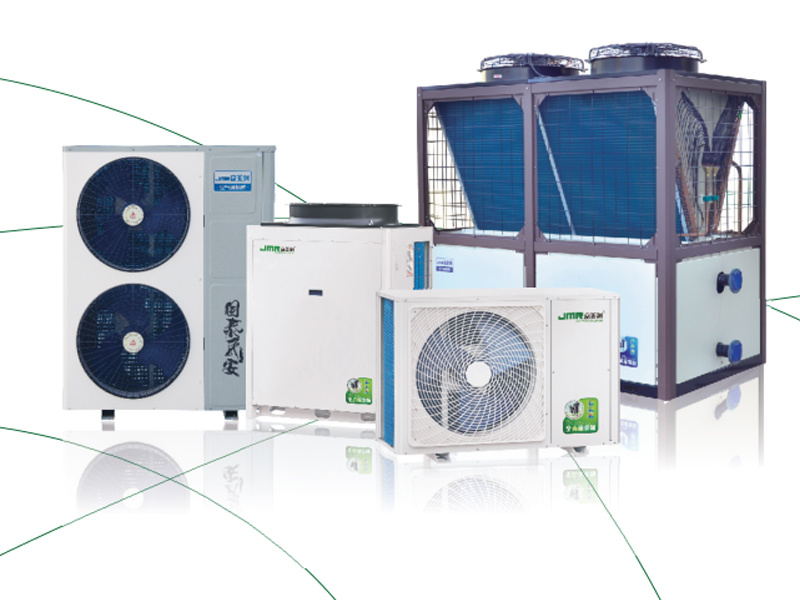
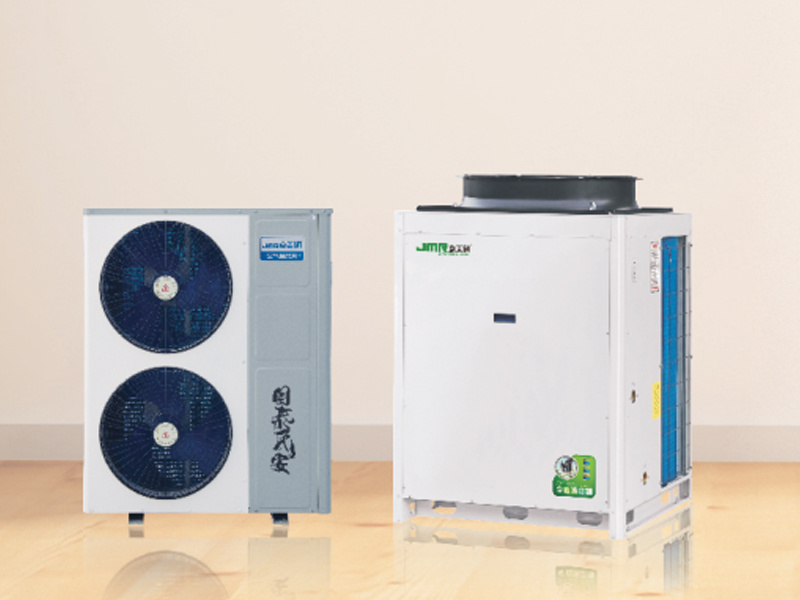
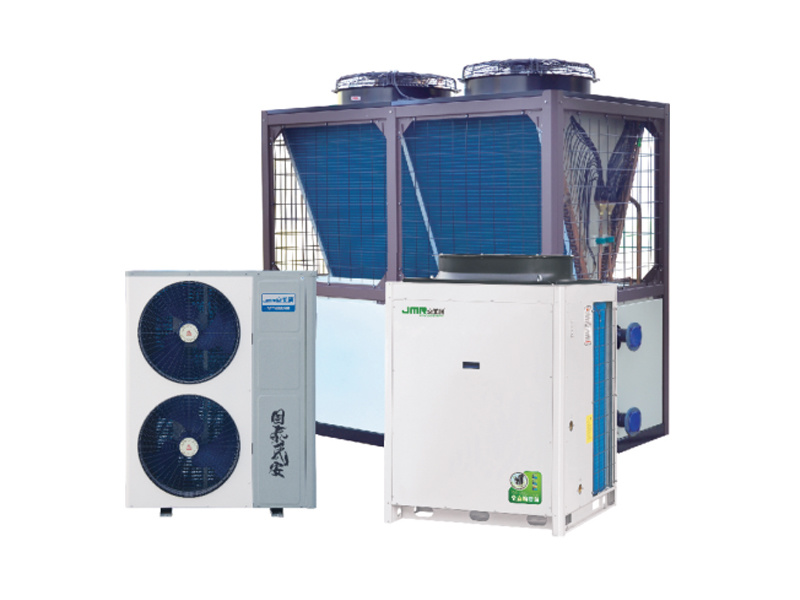
Low temperature air source heat pumps (ASHPs) represent a revolutionary advancement in the heating industry, particularly within the consumer electronics sector, including home appliances such as gas heaters. By harnessing ambient air, these systems efficiently transfer heat, providing a sustainable alternative to conventional heating methods while catering to the needs of homeowners seeking comfort and energy efficiency.
A low temperature air source heat pump operates by extracting heat from the outside air, even in colder temperatures, and transferring that heat indoors. This process is achieved through a refrigeration cycle that encompasses evaporation, compression, condensation, and expansion. The efficiency of these systems is enhanced further by their ability to operate effectively at lower temperatures, making them ideal for a variety of climates and environments.
One of the significant advantages of low temperature ASHPs is their energy efficiency. These systems can deliver a higher output of thermal energy compared to the energy consumed. This is measured by the coefficient of performance (COP), which indicates how much heat is produced for each unit of electricity used. Homeowners often see reduced energy bills as a result of this efficiency, as well as a lower carbon footprint, aligning with global efforts to reduce greenhouse gas emissions.
Moreover, low temperature air source heat pumps are versatile and can be integrated seamlessly with existing heating systems, including gas heaters. This allows for a hybrid approach where the heat pump operates during milder temperatures, while the gas heater can take over in extreme cold, providing reliable heating year-round. This flexibility not only enhances comfort but also optimizes energy consumption, ensuring that homeowners utilize the most efficient system based on current conditions.
Low temperature ASHPs also offer significant benefits in terms of maintenance and longevity. These systems typically require less frequent servicing compared to traditional heating methods. Additionally, advancements in technology have improved the durability and lifespan of these pumps, making them a reliable choice for homeowners.
In conclusion, low temperature air source heat pumps are a promising solution for those seeking efficient and environmentally friendly heating options. Their ability to extract heat from the air, even in low temperatures, allows them to provide consistent comfort while reducing energy costs. As the demand for innovative heating solutions grows, understanding the advantages of low temperature ASHPs becomes essential for consumers looking to enhance their home heating systems.
A low temperature air source heat pump operates by extracting heat from the outside air, even in colder temperatures, and transferring that heat indoors. This process is achieved through a refrigeration cycle that encompasses evaporation, compression, condensation, and expansion. The efficiency of these systems is enhanced further by their ability to operate effectively at lower temperatures, making them ideal for a variety of climates and environments.
One of the significant advantages of low temperature ASHPs is their energy efficiency. These systems can deliver a higher output of thermal energy compared to the energy consumed. This is measured by the coefficient of performance (COP), which indicates how much heat is produced for each unit of electricity used. Homeowners often see reduced energy bills as a result of this efficiency, as well as a lower carbon footprint, aligning with global efforts to reduce greenhouse gas emissions.
Moreover, low temperature air source heat pumps are versatile and can be integrated seamlessly with existing heating systems, including gas heaters. This allows for a hybrid approach where the heat pump operates during milder temperatures, while the gas heater can take over in extreme cold, providing reliable heating year-round. This flexibility not only enhances comfort but also optimizes energy consumption, ensuring that homeowners utilize the most efficient system based on current conditions.
Low temperature ASHPs also offer significant benefits in terms of maintenance and longevity. These systems typically require less frequent servicing compared to traditional heating methods. Additionally, advancements in technology have improved the durability and lifespan of these pumps, making them a reliable choice for homeowners.
In conclusion, low temperature air source heat pumps are a promising solution for those seeking efficient and environmentally friendly heating options. Their ability to extract heat from the air, even in low temperatures, allows them to provide consistent comfort while reducing energy costs. As the demand for innovative heating solutions grows, understanding the advantages of low temperature ASHPs becomes essential for consumers looking to enhance their home heating systems.
Key words:
What Else Might You Learn?