Welcome to Renqiu Aorun Heating Equipment Co., LTD.!


Exploring the Benefits of Low Carbon Heat Pumps in Modern Heating Solutions
Release Time:
Apr 07,2026
Low carbon heat pumps are an innovative technology that has gained traction in the building and construction industry, particularly in the realm of heating facilities. Designed to operate with minimal environmental impact, these systems harness renewable energy sources to provide efficient heating solutions, making them an essential component of sustainable building practices. At their core, low c
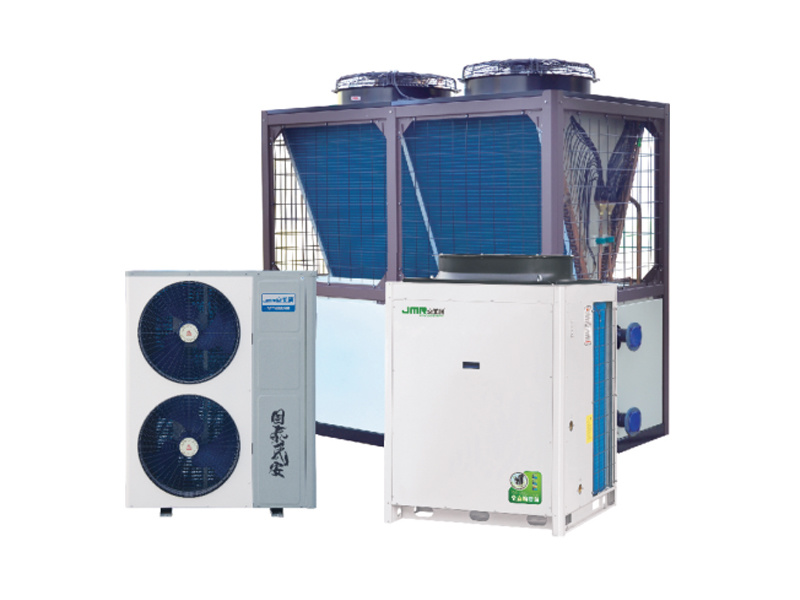
Low carbon heat pumps are an innovative technology that has gained traction in the building and construction industry, particularly in the realm of heating facilities. Designed to operate with minimal environmental impact, these systems harness renewable energy sources to provide efficient heating solutions, making them an essential component of sustainable building practices.
At their core, low carbon heat pumps work by transferring heat from one location to another, often utilizing ambient air, ground, or water sources as energy sources. This process is accomplished through a refrigeration cycle, where refrigerant fluid absorbs and releases heat as it circulates through the system. The result is an efficient heating method that significantly reduces reliance on fossil fuels, thereby lowering carbon emissions associated with traditional heating systems.
One of the most significant advantages of low carbon heat pumps is their energy efficiency. Compared to conventional heating methods, such as gas boilers or electric resistance heating, these systems can deliver multiple units of heat for every unit of energy consumed. This high coefficient of performance (COP) translates to lower energy bills for building owners and occupants, as well as a reduced carbon footprint. In many cases, the operational costs can be significantly lower due to their ability to utilize renewable energy sources, which are often more stable in price than fossil fuel alternatives.
Another key benefit of low carbon heat pumps is their versatility. They can be employed in various applications, from residential homes to large commercial buildings, and can provide both heating and cooling as needed. This adaptability makes them an attractive option for new construction projects and retrofitting existing buildings. Moreover, many governments and local authorities encourage the adoption of low carbon technologies through incentives and regulations, making it increasingly beneficial for property developers and owners to invest in these systems.
In addition to their economic and practical advantages, low carbon heat pumps play a crucial role in addressing climate change. By decreasing greenhouse gas emissions, they contribute to global efforts to mitigate environmental impact and promote sustainable energy practices. This aligns with the growing societal demand for greener building solutions, making low carbon heat pumps a leading choice for forward-thinking architects and builders.
In conclusion, low carbon heat pumps represent a significant advancement in heating technology within the building and construction industry. Their energy efficiency, versatility, and positive environmental impact position them as a crucial element in the transition toward more sustainable building practices. As the demand for eco-friendly solutions continues to rise, investing in low carbon heat pumps is not only a wise decision for economic reasons but also a step toward a more sustainable future.
At their core, low carbon heat pumps work by transferring heat from one location to another, often utilizing ambient air, ground, or water sources as energy sources. This process is accomplished through a refrigeration cycle, where refrigerant fluid absorbs and releases heat as it circulates through the system. The result is an efficient heating method that significantly reduces reliance on fossil fuels, thereby lowering carbon emissions associated with traditional heating systems.
One of the most significant advantages of low carbon heat pumps is their energy efficiency. Compared to conventional heating methods, such as gas boilers or electric resistance heating, these systems can deliver multiple units of heat for every unit of energy consumed. This high coefficient of performance (COP) translates to lower energy bills for building owners and occupants, as well as a reduced carbon footprint. In many cases, the operational costs can be significantly lower due to their ability to utilize renewable energy sources, which are often more stable in price than fossil fuel alternatives.
Another key benefit of low carbon heat pumps is their versatility. They can be employed in various applications, from residential homes to large commercial buildings, and can provide both heating and cooling as needed. This adaptability makes them an attractive option for new construction projects and retrofitting existing buildings. Moreover, many governments and local authorities encourage the adoption of low carbon technologies through incentives and regulations, making it increasingly beneficial for property developers and owners to invest in these systems.
In addition to their economic and practical advantages, low carbon heat pumps play a crucial role in addressing climate change. By decreasing greenhouse gas emissions, they contribute to global efforts to mitigate environmental impact and promote sustainable energy practices. This aligns with the growing societal demand for greener building solutions, making low carbon heat pumps a leading choice for forward-thinking architects and builders.
In conclusion, low carbon heat pumps represent a significant advancement in heating technology within the building and construction industry. Their energy efficiency, versatility, and positive environmental impact position them as a crucial element in the transition toward more sustainable building practices. As the demand for eco-friendly solutions continues to rise, investing in low carbon heat pumps is not only a wise decision for economic reasons but also a step toward a more sustainable future.
Key words:
What Else Might You Learn?