Welcome to Renqiu Aorun Heating Equipment Co., LTD.!


Energy Efficient Heat Pumps vs. Traditional Heating: Which Is Better?
Release Time:
Mar 31,2026
Energy Efficient Heat Pumps vs. Traditional Heating: Which Is Better? In today's world, where energy efficiency and sustainability are at the forefront of many homeowners' minds, choosing the right heating system is crucial. With various options available, **energy-efficient heat pumps** and **traditional heating systems** are two popular choices. This article will delve deep into the advantages a
Energy Efficient Heat Pumps vs. Traditional Heating: Which Is Better?
In today's world, where energy efficiency and sustainability are at the forefront of many homeowners' minds, choosing the right heating system is crucial. With various options available, **energy-efficient heat pumps** and **traditional heating systems** are two popular choices. This article will delve deep into the advantages and disadvantages of each, helping you make a well-informed decision that suits your needs, budget, and values.
Table of Contents
- Understanding Energy Efficient Heat Pumps
- How Traditional Heating Works
- Comparative Efficiency of Heating Systems
- Cost Analysis: Installation and Operation
- Environmental Impact: A Green Perspective
- Maintenance Considerations for Each System
- Advantages of Heat Pumps Over Traditional Systems
- Advantages of Traditional Heating Systems
- Frequently Asked Questions
- Conclusion
Understanding Energy Efficient Heat Pumps
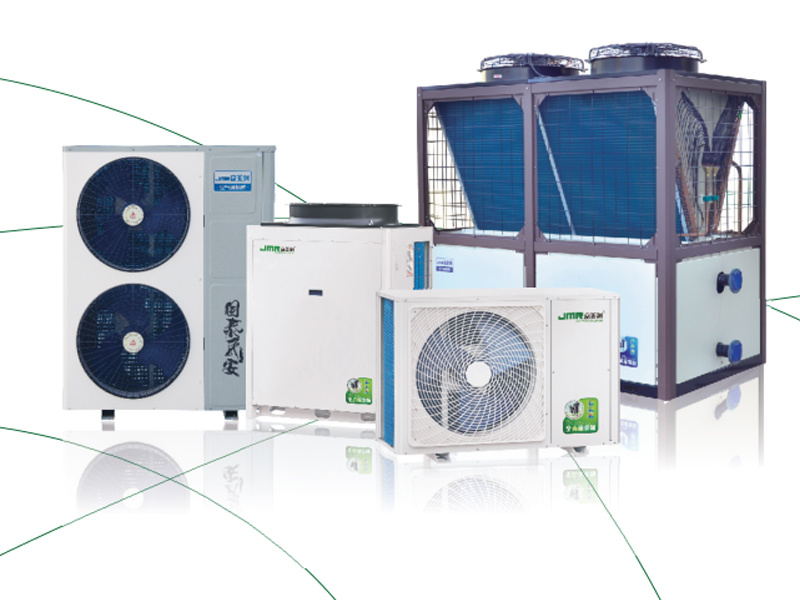
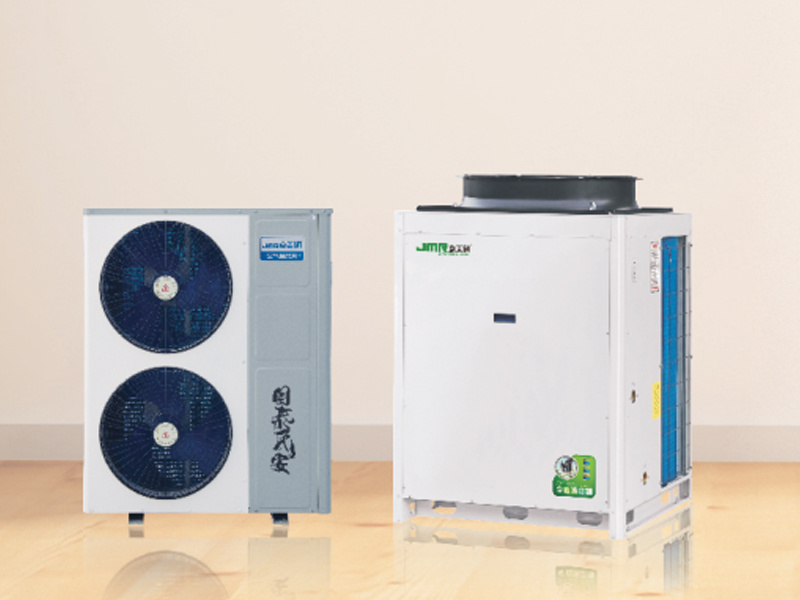
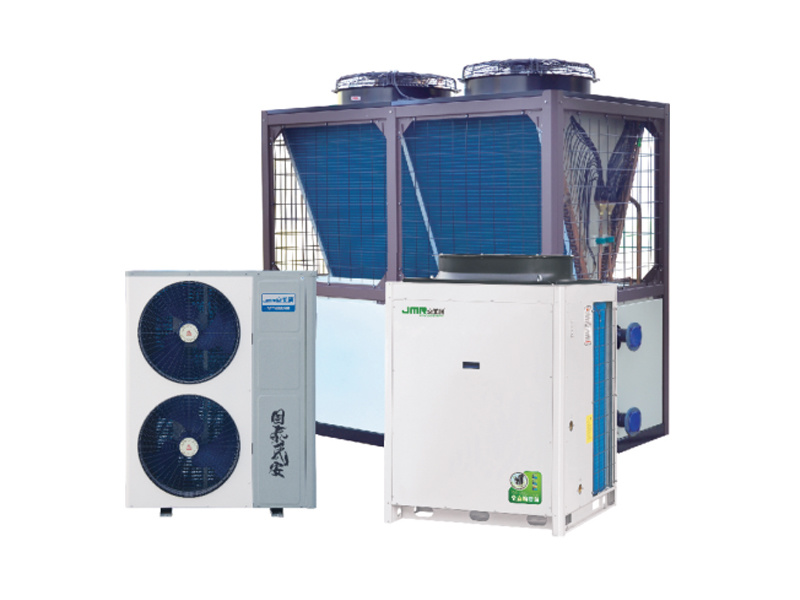
**Energy-efficient heat pumps** are systems that transfer heat from one place to another instead of generating heat through combustion. They can be used for both heating and cooling, making them versatile. Heat pumps work by absorbing heat from the outside air, ground, or water and transferring it indoors during winter. In summer, they can reverse the process, cooling your home by removing heat. This technology utilizes electricity to move heat rather than generating it, making it highly efficient.
Types of Heat Pumps
There are several types of heat pumps, including:
- Air-source heat pumps: These extract heat from the air.
- Ground-source (or geothermal) heat pumps: These draw heat from the ground.
- Water-source heat pumps: These utilize heat from nearby water bodies.
How Heat Pumps Achieve Efficiency
Heat pumps can achieve efficiency ratings of **300% to 400%**, meaning they can produce 3 to 4 times more heating energy than the electrical energy they consume. This efficiency translates to lower utility bills and reduced environmental impact.
How Traditional Heating Works
Traditional heating systems primarily include **furnaces and boilers** that generate heat through combustion of fossil fuels like natural gas, oil, or propane. This generated heat is then distributed throughout the home via ducts (in the case of forced-air systems) or water pipes (in the case of hydronic systems).
Types of Traditional Heating Systems
Common types of traditional heating systems include:
- Gas Furnaces: These are the most common heating systems in many households.
- Oil Furnaces: Often used in rural areas where natural gas is unavailable.
- Electric Resistance Heaters: These are less common due to higher operating costs.
Efficiency Ratings of Traditional Systems
Traditional heating systems are generally rated by their **Annual Fuel Utilization Efficiency (AFUE)**. The AFUE percentage indicates how effectively a furnace converts fuel into usable heat. Most modern gas furnaces achieve AFUE ratings between **80% and 98%**. However, significant energy is still lost in the combustion process.
Comparative Efficiency of Heating Systems
When comparing the efficiency of **energy-efficient heat pumps** and **traditional heating systems**, it’s essential to consider several factors:
- Energy Source: Heat pumps use electricity, which is generally cleaner compared to fossil fuels.
- Climate Suitability: Heat pumps perform best in moderate climates, while traditional systems may be more effective in extremely cold conditions.
- Operational Costs: Heat pumps often offer lower operational costs due to their high efficiency.
Cost Analysis: Installation and Operation
Understanding the financial implications is vital when choosing between a heat pump and a traditional heating system. Here’s a breakdown of costs associated with both systems:
Installation Costs
The initial installation costs can vary significantly:
- Heat Pumps: Typically range from **$3,500 to $8,000** depending on the type and complexity of installation.
- Traditional Heating Systems: Gas furnaces can range from **$2,500 to $7,500**, while oil systems are usually higher due to installation complexities.
Operating Costs
While heat pumps may have higher upfront costs, they often lead to substantial savings on energy bills:
- Heat Pumps: Can save homeowners **30-40%** on heating costs annually.
- Traditional Systems: Operating costs can be higher, especially in areas with expensive fuel sources.
Environmental Impact: A Green Perspective
Reducing carbon footprints is a priority for many homeowners. Here’s how both systems stack up environmentally:
Heat Pumps and Sustainability
Since heat pumps utilize electricity and move heat rather than generate it, they generally produce fewer greenhouse gas emissions compared to traditional heating systems. This significantly contributes to a more sustainable future.
Traditional Heating and Its Impact
Traditional heating systems, especially those reliant on fossil fuels, contribute to higher carbon emissions and environmental degradation. However, advancements in technology are making traditional systems more efficient and cleaner.
Maintenance Considerations for Each System
Regular maintenance is crucial for both heating options to ensure optimal performance:
Heat Pump Maintenance
Heat pumps require less maintenance than traditional systems but still need regular check-ups, including:
- Cleaning or replacing air filters every few months.
- Annual professional inspections to check refrigerant levels and electrical components.
Traditional Heating System Maintenance
Traditional heating systems typically require more frequent attention, including:
- Annual inspections to ensure safe operation.
- Cleaning of burners and ducts to maintain air quality and efficiency.
Advantages of Heat Pumps Over Traditional Systems
There are several advantages to choosing **energy-efficient heat pumps**:
- Higher Efficiency: Heat pumps can provide more heating or cooling per unit of energy consumed.
- Dual Functionality: Heat pumps can both heat and cool your home, eliminating the need for separate systems.
- Lower Operating Costs: Over time, the lower energy consumption results in significant savings.
- Environmental Benefits: Reduced greenhouse gas emissions make heat pumps a more sustainable choice.
Advantages of Traditional Heating Systems
Despite the advantages of heat pumps, traditional systems also have their benefits:
- Proven Technology: Traditional heating systems are well-understood and have a proven track record.
- Reliability in Extreme Cold: Gas and oil systems perform well even in frigid temperatures where heat pumps might struggle.
- Lower Initial Investment: Traditional systems may have lower installation costs, making them more accessible for some homeowners.
Frequently Asked Questions
1. Are heat pumps worth the investment?
Yes, heat pumps can be a great investment due to their energy efficiency, lower operational costs, and environmental benefits, particularly in moderate climates.
2. How long do heat pumps last compared to traditional heating systems?
Heat pumps generally last **15-20 years**, while traditional heating systems can last **15-30 years**, depending on maintenance and usage.
3. Can heat pumps work in extremely cold climates?
While heat pumps can operate in cold weather, their efficiency decreases as temperatures drop. In extremely cold climates, traditional systems may be more effective.
4. What are the maintenance requirements for heat pumps?
Heat pumps require regular cleaning of filters, annual inspections, and occasional refrigerant checks to maintain efficiency.
5. Is the installation of heat pumps complex?
Installation complexity can vary based on the type of heat pump and the home's existing infrastructure. Consulting a professional is advised to assess the best approach.
Conclusion
Choosing between **energy-efficient heat pumps** and **traditional heating systems** involves evaluating various factors, including efficiency, cost, environmental impact, and maintenance requirements. Heat pumps offer a modern, sustainable solution with significant long-term savings, particularly for homeowners in moderate climates. However, traditional heating systems remain reliable, particularly in extreme cold. Ultimately, the best choice depends on your specific needs, budget, and priorities.
Key words:
What Else Might You Learn?