Welcome to Renqiu Aorun Heating Equipment Co., LTD.!


Reduce Your Heating Bills: Embrace Energy Efficient Heat Pumps for Maximum Savings
Release Time:
Feb 19,2026
Reduce Your Heating Bills: Embrace Energy Efficient Heat Pumps In today’s world, where energy costs are continuously rising, finding effective solutions to reduce heating bills is more important than ever. One of the most innovative and efficient methods to achieve this is by embracing energy-efficient heat pumps. These devices not only provide warmth during the cold months but also help in signif
Reduce Your Heating Bills: Embrace Energy Efficient Heat Pumps
In today’s world, where energy costs are continuously rising, finding effective solutions to reduce heating bills is more important than ever. One of the most innovative and efficient methods to achieve this is by embracing energy-efficient heat pumps. These devices not only provide warmth during the cold months but also help in significantly lowering energy expenses. This article will delve into the various aspects of heat pumps, their benefits, and how they can revolutionize your heating system.
Table of Contents
- What are Heat Pumps?
- How Do Heat Pumps Work?
- Benefits of Energy Efficient Heat Pumps
- Types of Heat Pumps
- Heat Pump Installation Guide
- Heat Pump Maintenance Tips
- Cost-Saving Potential of Heat Pumps
- Common Misconceptions About Heat Pumps
- Conclusion
- FAQs
What are Heat Pumps?
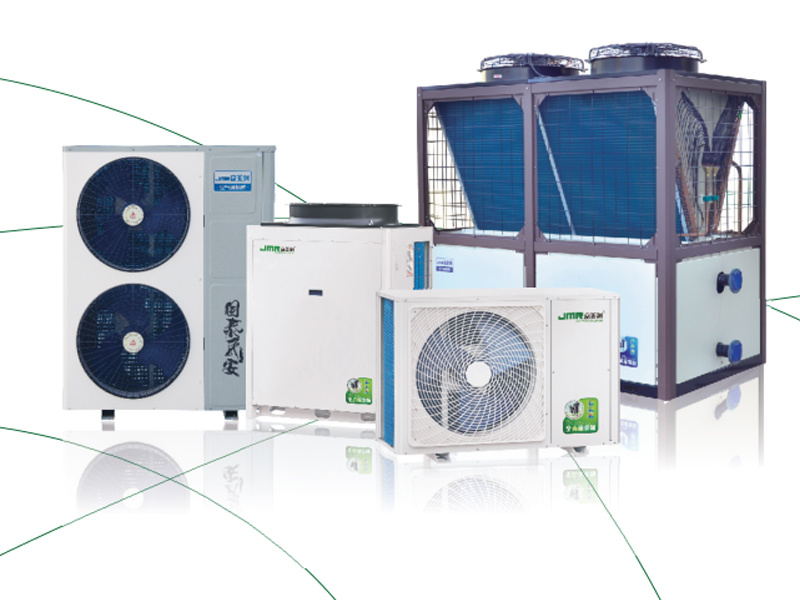
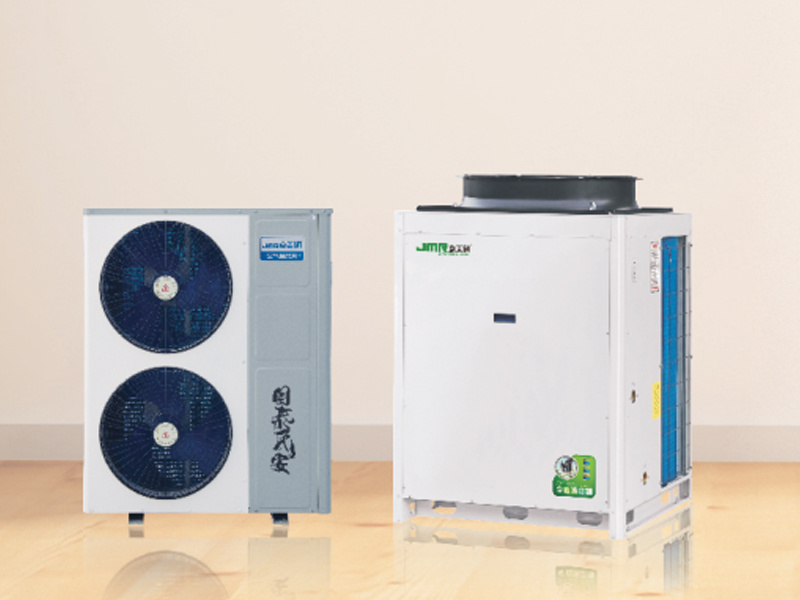
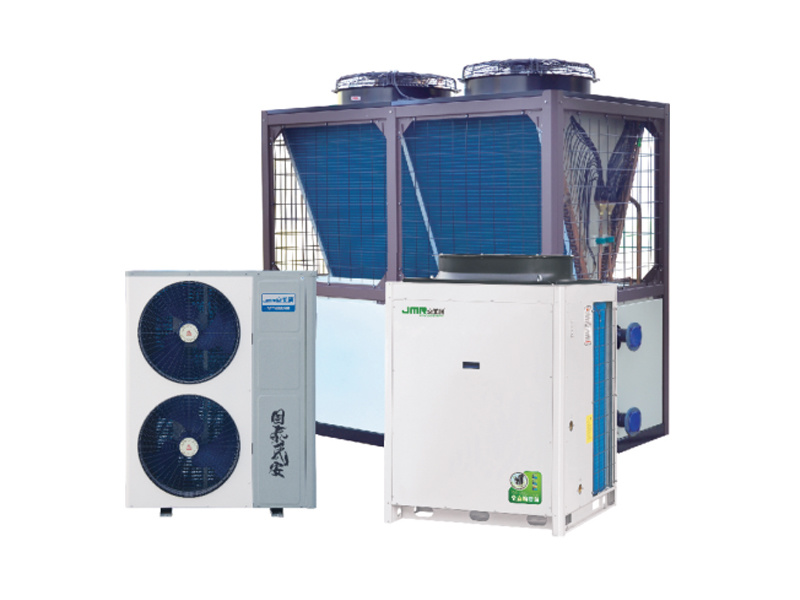
Heat pumps are versatile devices that transfer heat from one location to another, providing heating in winter and cooling in summer. Unlike traditional heating systems that generate heat by burning fuel, heat pumps move heat using electricity. This makes them a more sustainable and energy-efficient option for homeowners looking to reduce their carbon footprint and heating bills.
How Do Heat Pumps Work?
The operation of heat pumps is grounded in the principles of thermodynamics. Essentially, they utilize a refrigeration cycle, which includes a refrigerant that absorbs and releases heat as it circulates through the system. Here is a simplified breakdown of how heat pumps function:
1. Absorption of Heat
During colder months, heat pumps extract heat from the outside air, ground, or water, even in low temperatures, thanks to the refrigerant’s ability to evaporate at low temperatures.
2. Compression
The gaseous refrigerant is then compressed, which increases its temperature significantly. This heat is then transferred to the indoor space.
3. Heat Distribution
Once heated, the air is circulated throughout the home via ductwork or through radiators. In summer, the process is reversed to provide cooling.
Benefits of Energy Efficient Heat Pumps
Energy-efficient heat pumps offer a myriad of benefits that not only enhance comfort but also contribute to significant long-term savings. Below are some key benefits:
1. Lower Energy Bills
Heat pumps consume less energy compared to traditional heating systems. By transferring heat instead of generating it, homeowners can enjoy substantially lower energy bills.
2. Eco-Friendly
Using electricity as their primary energy source, heat pumps emit fewer greenhouse gases than fossil fuel-based heating systems. This makes them a more environmentally friendly choice.
3. Dual Functionality
Heat pumps provide both heating and cooling, eliminating the need for separate systems. This not only saves money but also maximizes space in your home.
4. Longevity and Durability
With proper maintenance, heat pumps can last significantly longer than conventional heating systems, often exceeding 15 years of service life.
Types of Heat Pumps
There are several types of heat pumps available in the market, each suited to different needs and environmental conditions. Here are the main types:
1. Air Source Heat Pumps
These are the most common types of heat pumps. They extract heat from the air and are suitable for moderate climates.
2. Ground Source Heat Pumps (Geothermal)
Ground source heat pumps extract heat from the ground, making them highly efficient regardless of weather conditions. They require more extensive installation but offer long-term savings.
3. Water Source Heat Pumps
These pumps utilize water bodies such as lakes or wells as a heat source. They are efficient but depend on the availability of a water source.
4. Ductless Mini-Split Heat Pumps
Ideal for homes without ductwork, these systems provide targeted heating and cooling solutions by connecting multiple indoor units to a single outdoor unit.
Heat Pump Installation Guide
Installing a heat pump can significantly impact its efficiency and effectiveness. Here’s a step-by-step guide to ensure proper installation:
1. Assess Your Home’s Needs
Evaluate the size of your home, insulation levels, and heating requirements. Consulting with a professional can help determine the right size and model for your home.
2. Select the Right Type
Choose the type of heat pump that suits your climate and home layout. For instance, air source heat pumps are great for milder areas, while geothermal options are excellent for more extreme climates.
3. Professional Installation
Hiring a qualified HVAC technician for installation is critical for optimal performance. They will ensure that the system is installed according to local codes and manufacturer specifications.
4. Set Up Thermostats
Installing programmable thermostats can enhance efficiency by allowing you to set specific temperatures for different times of the day.
Heat Pump Maintenance Tips
Regular maintenance can extend the life of your heat pump and ensure it operates at peak efficiency. Here are essential maintenance tips:
1. Regular Filter Changes
Change or clean filters every 1-3 months to ensure proper airflow and efficiency.
2. Seasonal Inspections
Schedule professional inspections at least once a year to check for any issues and maintain efficiency.
3. Clean the Outdoor Unit
Ensure that the outdoor unit is free from debris, leaves, and other obstructions to maintain optimal performance.
4. Check Refrigerant Levels
Low refrigerant levels can affect efficiency. Have a professional check levels during routine maintenance.
Cost-Saving Potential of Heat Pumps
Investing in energy-efficient heat pumps can lead to substantial savings over time. Depending on the type and efficiency rating, homeowners can save up to 50% on heating costs compared to traditional systems. Additionally, many regions offer incentives and rebates for upgrading to energy-efficient appliances, further enhancing savings.
Common Misconceptions About Heat Pumps
Despite their advantages, several misconceptions surrounding heat pumps can deter homeowners from considering them. Let’s address some of these myths:
1. Heat Pumps Are Inefficient in Cold Weather
While it’s true that their efficiency can decline in extreme cold, modern heat pumps are designed to function effectively in lower temperatures, especially with advanced inverter technology.
2. Heat Pumps Are Too Expensive to Install
Although the upfront installation cost can be higher than traditional systems, the long-term savings on energy bills often outweigh these initial expenses.
3. Heat Pumps Are Noisy
Modern heat pumps are designed to operate quietly. Many units come equipped with noise-reduction technology to ensure minimal disturbance.
Conclusion
In conclusion, embracing energy-efficient heat pumps can not only lead to significant reductions in heating bills but also contribute to a more sustainable and environmentally friendly lifestyle. By understanding how heat pumps work, their benefits, and the installation and maintenance processes, homeowners can make informed decisions that enhance comfort and save money. Investing in energy-efficient heat pumps is a step toward a more efficient and cost-effective heating solution for your home.
FAQs
1. What is the average lifespan of a heat pump?
A well-maintained heat pump can last between 15 to 20 years, depending on the type and usage.
2. How do I know what size heat pump I need?
Consulting with a professional HVAC technician can help assess your home’s heating and cooling needs to determine the right size.
3. Are heat pumps noisy?
Modern heat pumps are designed to operate quietly, and many come with noise-reduction features.
4. Can heat pumps work in very cold climates?
Yes, while efficiency may decline in extreme cold, modern heat pumps are designed to operate effectively even in low temperatures.
5. How often should I service my heat pump?
It is recommended to have your heat pump inspected and serviced at least once a year to ensure optimal performance and efficiency.
Key words:
What Else Might You Learn?