Welcome to Renqiu Aorun Heating Equipment Co., LTD.!


Uncovering the Secrets of Energy Efficient Heat Pumps: A Comprehensive Guide
Release Time:
Feb 13,2026
Uncovering the Secrets: How Energy Efficient Heat Pumps Work Table of Contents 1. Introduction to Energy Efficient Heat Pumps 2. What Is a Heat Pump? 3. How Does a Heat Pump Work? 4. Types of Energy Efficient Heat Pumps 4.1 Air Source Heat Pumps 4.2 Ground Source Heat Pumps 4.3 Water Source Heat Pumps 5. Benefits of Using E
Uncovering the Secrets: How Energy Efficient Heat Pumps Work
Table of Contents
- 1. Introduction to Energy Efficient Heat Pumps
- 2. What Is a Heat Pump?
- 3. How Does a Heat Pump Work?
- 4. Types of Energy Efficient Heat Pumps
- 5. Benefits of Using Energy Efficient Heat Pumps
- 6. Heat Pump Installation: What You Need to Know
- 7. Maintenance of Heat Pumps
- 8. Frequently Asked Questions (FAQs)
- 9. Conclusion
1. Introduction to Energy Efficient Heat Pumps
In today's world, **energy efficiency** is more crucial than ever. With rising energy costs and growing concerns about climate change, understanding energy-efficient technologies is essential for homeowners and businesses alike. One of the most effective solutions for heating and cooling is the **energy-efficient heat pump**. This comprehensive article aims to uncover the secrets behind these innovative systems, explaining how they work, the different types available, their benefits, installation processes, and maintenance tips.
2. What Is a Heat Pump?
A heat pump is a versatile and energy-efficient device that transfers heat from one location to another. Unlike traditional heating systems that generate heat, heat pumps move existing heat from the environment, making them an eco-friendly choice. They can extract heat from the air, ground, or water, depending on the type of heat pump. This ability to transfer heat means they can provide both heating and cooling, making them an all-year-round solution for temperature control in residential and commercial spaces.
3. How Does a Heat Pump Work?
The operation of a heat pump is based on the principles of thermodynamics. At its core, a heat pump works by moving heat rather than generating it. The cycle consists of four key components: **evaporator**, **compressor**, **condenser**, and **expansion valve**.
1. **Evaporator**: In the evaporator coil, the refrigerant absorbs heat from the surrounding environment (air, ground, or water). As it absorbs heat, the refrigerant evaporates, turning from a liquid into a gas.
2. **Compressor**: The gaseous refrigerant is then compressed by the compressor, which increases its pressure and temperature, making it more effective at transferring heat.
3. **Condenser**: The hot gas moves to the condenser coil, where it releases its heat to the indoor space. As the gas cools, it condenses back into a liquid.
4. **Expansion Valve**: The refrigerant then passes through an expansion valve, which lowers its pressure, allowing it to return to the evaporator and continue the cycle.
This continuous cycle of heat transfer is what makes heat pumps an efficient alternative to conventional heating systems.
4. Types of Energy Efficient Heat Pumps
Not all heat pumps are created equal. Understanding the different types helps homeowners choose the right system for their specific needs.
4.1 Air Source Heat Pumps
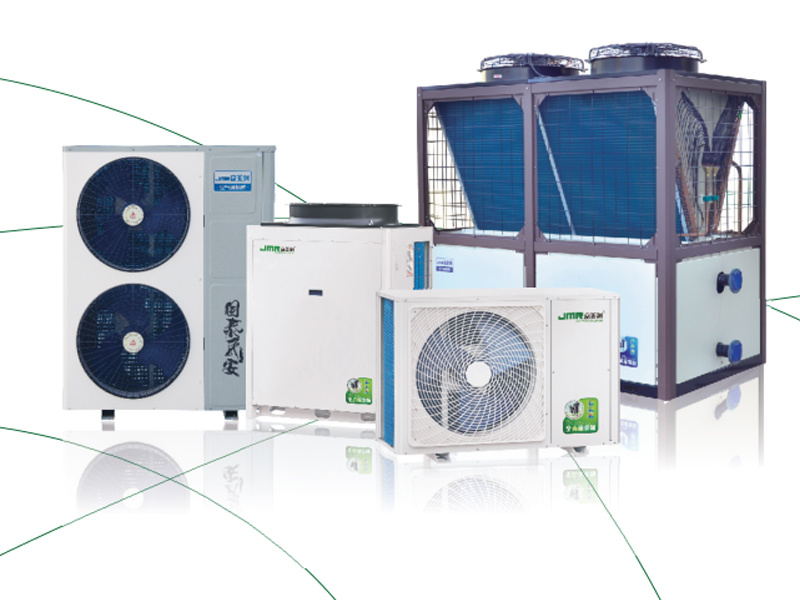
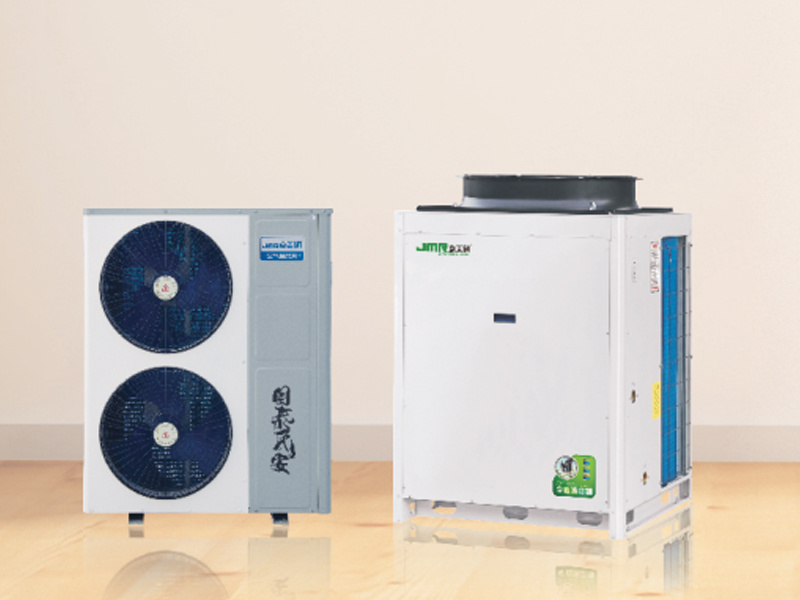
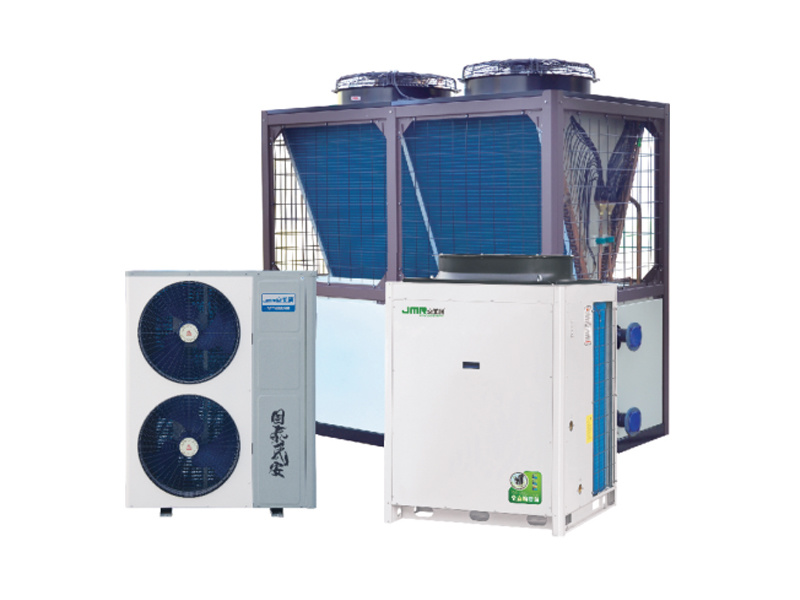
Air source heat pumps (ASHP) are the most common type. They extract heat from the outside air and are suitable for moderate climates. ASHPs can be either **split systems** or **packaged systems**, providing flexibility in installation.
4.2 Ground Source Heat Pumps
Ground source heat pumps (GSHP), also known as geothermal heat pumps, are highly efficient systems that extract heat from the ground. They use a series of underground pipes filled with refrigerant that absorbs heat from the earth, making them effective even in very cold conditions. GSHPs have a higher installation cost but offer long-term energy savings.
4.3 Water Source Heat Pumps
Water source heat pumps (WSHP) utilize a body of water, such as a lake or well, for heating and cooling. They are particularly effective for buildings near a water source and can provide substantial energy savings compared to traditional systems.
5. Benefits of Using Energy Efficient Heat Pumps
Investing in an energy-efficient heat pump comes with a host of benefits:
1. **Energy Savings**: Heat pumps are known for their high efficiency, consuming less electricity compared to traditional heating methods.
2. **Environmental Impact**: By using fewer fossil fuels, heat pumps contribute to a reduction in greenhouse gas emissions, making them a sustainable choice for the environment.
3. **Versatility**: Heat pumps provide both heating and cooling, eliminating the need for separate systems, which simplifies installation and maintenance.
4. **Lower Utility Bills**: The energy efficiency of heat pumps can lead to significant savings on monthly energy bills.
5. **Longevity**: With proper maintenance, heat pumps can last 15 to 20 years, making them a long-term investment.
6. Heat Pump Installation: What You Need to Know
Installing a heat pump requires professional expertise. It is crucial to choose a qualified contractor who can evaluate your home’s heating and cooling needs and recommend the right type of heat pump. The installation process typically includes:
1. **Site Assessment**: A professional will evaluate your property to determine the best location for the heat pump and the type of system that fits your needs.
2. **Sizing the System**: Proper sizing of the heat pump is essential for efficiency. An undersized unit will struggle to maintain comfortable temperatures, while an oversized unit may cycle on and off too frequently, wasting energy.
3. **Ductwork Inspection**: If you are installing a ducted system, the existing ductwork must be inspected and possibly modified to ensure optimal airflow.
4. **Installation**: The actual installation involves placing the indoor and outdoor units and connecting them with refrigerant lines, electrical wiring, and ductwork (if applicable).
5. **Testing**: After installation, the contractor will test the system to ensure it operates efficiently and effectively.
7. Maintenance of Heat Pumps
To keep your heat pump running efficiently, regular maintenance is essential. Here are some tips for maintaining your heat pump:
1. **Regular Filter Changes**: Check and replace air filters every one to three months to ensure unrestricted airflow and optimal performance.
2. **Professional Inspections**: Schedule annual maintenance checks with a qualified technician to inspect the system, clean the coils, and check refrigerant levels.
3. **Clear Surroundings**: Ensure that the outdoor unit is clear of debris, such as leaves and snow, to maintain proper airflow.
4. **Monitor Performance**: Keep an eye on your energy bills and the performance of your heat pump. If you notice a significant increase in energy costs or inconsistent temperatures, it may indicate a problem.
8. Frequently Asked Questions (FAQs)
1. How much can I save on energy bills with a heat pump?
The savings vary based on your current heating system and local energy rates, but many homeowners report savings of 30% to 50%.
2. Are heat pumps effective in colder climates?
Yes, modern heat pumps are designed to work efficiently in colder temperatures, especially ground source heat pumps.
3. What is the lifespan of a heat pump?
With proper maintenance, a heat pump can last between 15 and 20 years.
4. Can I install a heat pump myself?
It is not recommended to install a heat pump yourself, as professional installation is crucial for efficiency and compliance with local codes.
5. Do heat pumps require a backup heating system?
In extremely cold climates, a backup heating system may be necessary, although many modern heat pumps can operate effectively without one.
9. Conclusion
Energy-efficient heat pumps are transforming the way we think about heating and cooling our homes. By harnessing existing heat from the environment, these systems offer a sustainable and cost-effective alternative to traditional heating methods. Understanding the mechanics, benefits, and proper maintenance of heat pumps empowers homeowners to make informed decisions that promote energy efficiency and comfort. Embracing this technology not only leads to significant savings on energy bills but also contributes to a healthier planet for future generations. Transitioning to an energy-efficient heat pump system is an investment in both your home and the environment, making it a step worth considering.
Key words:
What Else Might You Learn?