Welcome to Renqiu Aorun Heating Equipment Co., LTD.!


Maximizing Efficiency with Heat Pump Hot Water Heaters: A Comprehensive Guide
Release Time:
Jan 29,2026
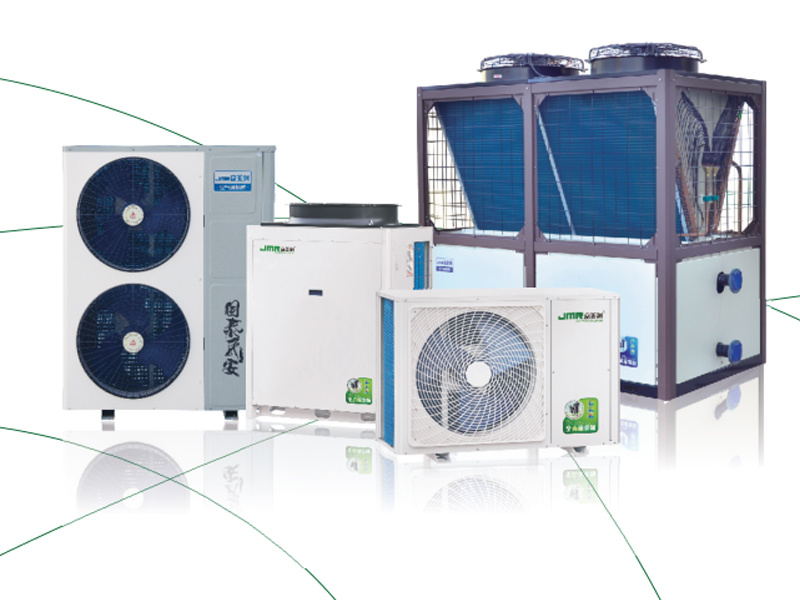
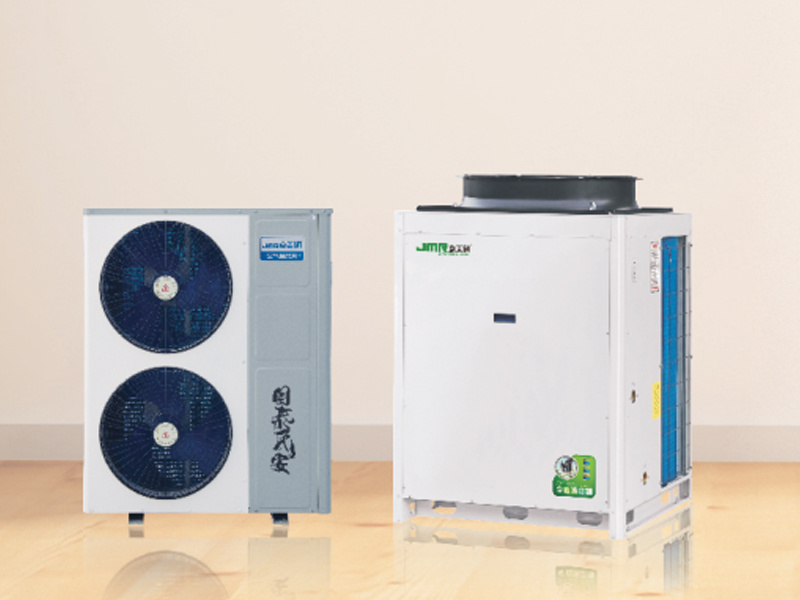
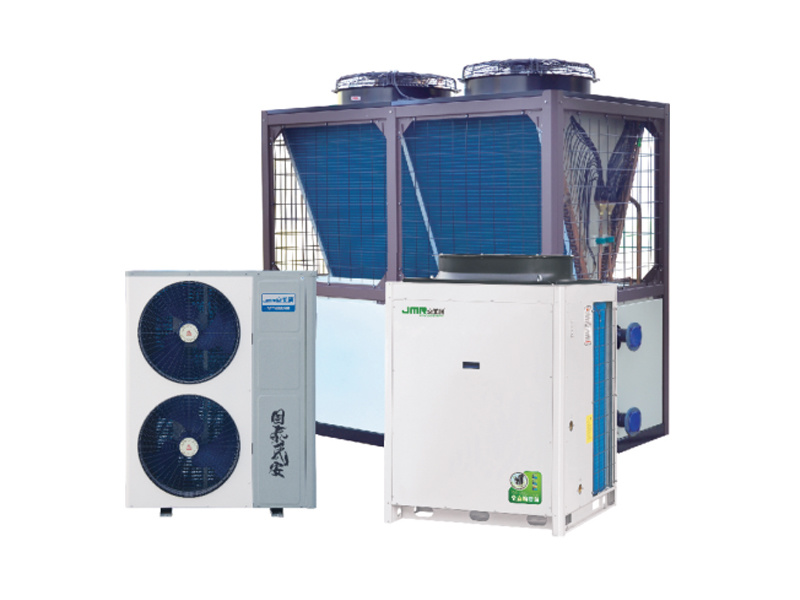
Heat pump hot water heaters (HPWHs) are becoming increasingly popular as an energy-efficient alternative to traditional water heating methods. These units operate by transferring heat from the surrounding air or ground to heat water, making them significantly more efficient than conventional electric or gas water heaters. In this article, we delve into various aspects of heat pump hot water heater
Heat pump hot water heaters (HPWHs) are becoming increasingly popular as an energy-efficient alternative to traditional water heating methods. These units operate by transferring heat from the surrounding air or ground to heat water, making them significantly more efficient than conventional electric or gas water heaters. In this article, we delve into various aspects of heat pump hot water heaters, their advantages, and practical considerations for homeowners and professionals alike.
One of the primary benefits of heat pump hot water heaters is their energy efficiency. Unlike traditional electric water heaters that convert electrical energy directly into heat, HPWHs move heat instead of generating it. This can lead to energy savings of up to 70%, depending on the climate and installation conditions. As a result, homeowners can enjoy lower energy bills while contributing to a reduced carbon footprint.
Understanding the operation of a heat pump hot water heater is essential for effective implementation. These systems typically consist of three main components: the heat exchanger, the compressor, and the storage tank. Essentially, the heat pump extracts heat from the air (or the ground in some systems) and transfers it to the water in the tank. During this process, it is crucial to ensure that the installation environment is conducive to optimal performance; areas with a temperature range of 40°F to 90°F (4°C to 32°C) are ideal for these units.
Another advantage of HPWHs is their versatility. They can be installed in various locations, including garages, basements, or utility rooms, and can even serve dual purposes by providing heating for both water and living spaces. However, it is essential to ensure that the installation site has enough space and proper ventilation to accommodate the heat pump's airflow requirements.
When considering a heat pump hot water heater, it's also necessary to evaluate the specific needs of your household. The size of the heat pump and its capacity should correspond to your household's hot water demands. Smaller families may find a compact unit sufficient, while larger households may require a more substantial model.
Moreover, professionals should be aware that while HPWHs have a higher upfront cost compared to traditional systems, the long-term savings on energy bills and potential rebates or incentives for energy-efficient appliances can make them a wise investment.
In conclusion, heat pump hot water heaters present a compelling solution for energy-conscious consumers seeking to enhance their home's efficiency. Understanding their operation, benefits, and installation considerations will enable homeowners and professionals to make informed decisions that align with their energy and budgetary goals.
One of the primary benefits of heat pump hot water heaters is their energy efficiency. Unlike traditional electric water heaters that convert electrical energy directly into heat, HPWHs move heat instead of generating it. This can lead to energy savings of up to 70%, depending on the climate and installation conditions. As a result, homeowners can enjoy lower energy bills while contributing to a reduced carbon footprint.
Understanding the operation of a heat pump hot water heater is essential for effective implementation. These systems typically consist of three main components: the heat exchanger, the compressor, and the storage tank. Essentially, the heat pump extracts heat from the air (or the ground in some systems) and transfers it to the water in the tank. During this process, it is crucial to ensure that the installation environment is conducive to optimal performance; areas with a temperature range of 40°F to 90°F (4°C to 32°C) are ideal for these units.
Another advantage of HPWHs is their versatility. They can be installed in various locations, including garages, basements, or utility rooms, and can even serve dual purposes by providing heating for both water and living spaces. However, it is essential to ensure that the installation site has enough space and proper ventilation to accommodate the heat pump's airflow requirements.
When considering a heat pump hot water heater, it's also necessary to evaluate the specific needs of your household. The size of the heat pump and its capacity should correspond to your household's hot water demands. Smaller families may find a compact unit sufficient, while larger households may require a more substantial model.
Moreover, professionals should be aware that while HPWHs have a higher upfront cost compared to traditional systems, the long-term savings on energy bills and potential rebates or incentives for energy-efficient appliances can make them a wise investment.
In conclusion, heat pump hot water heaters present a compelling solution for energy-conscious consumers seeking to enhance their home's efficiency. Understanding their operation, benefits, and installation considerations will enable homeowners and professionals to make informed decisions that align with their energy and budgetary goals.
Key words:
What Else Might You Learn?