Welcome to Renqiu Aorun Heating Equipment Co., LTD.!


Unlocking Efficiency: The Benefits of Heat Pump Hot Water Heaters
Release Time:
Jan 22,2026
Heat pump hot water heaters are gaining attention as a more efficient and environmentally friendly alternative to traditional water heating systems. Unlike conventional electric or gas water heaters that generate heat directly, heat pump systems work by transferring heat from the air or ground into the water, making them a more energy-efficient choice. One of the primary benefits of heat pump hot
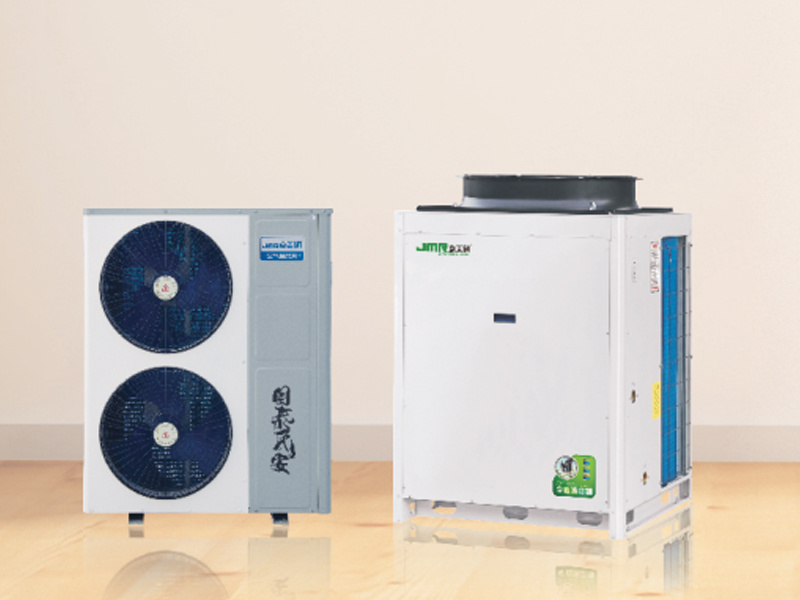
Heat pump hot water heaters are gaining attention as a more efficient and environmentally friendly alternative to traditional water heating systems. Unlike conventional electric or gas water heaters that generate heat directly, heat pump systems work by transferring heat from the air or ground into the water, making them a more energy-efficient choice.
One of the primary benefits of heat pump hot water heaters is their ability to significantly reduce energy consumption. These systems can be two to three times more efficient than standard water heaters, meaning they use less electricity to heat the same amount of water. This efficiency not only translates to lower utility bills but also less strain on the environment, making them a great option for eco-conscious homeowners.
Installation of heat pump hot water heaters typically requires a bit more space than traditional models, as they rely on air circulation to function effectively. It's essential to ensure that the installation area is well-ventilated to maximize performance. Additionally, these systems tend to operate best in moderate climates, where the temperature remains above 40°F (4°C). In colder regions, a hybrid system that combines heat pump technology with traditional electric heating can be an excellent solution, providing hot water even during the winter months.
Another compelling reason to consider a heat pump hot water heater is their longevity. These systems generally have a longer lifespan than conventional water heaters, often lasting up to 15 years or more with proper maintenance. This durability can further enhance their cost-effectiveness over time.
In terms of environmental impact, heat pump hot water heaters contribute to reducing greenhouse gas emissions. By utilizing renewable energy from the air or ground, they significantly decrease reliance on fossil fuels. For homeowners interested in sustainability and reducing their carbon footprint, this technology aligns perfectly with these goals.
Maintenance of heat pump hot water heaters is relatively straightforward. Regular check-ups to clean filters and ensure that the system is operating efficiently can extend the lifespan of the unit and maintain optimal performance. It's also advisable to check for any signs of wear or leaks, which can help catch potential issues early.
In conclusion, heat pump hot water heaters offer a wealth of benefits, from energy savings and environmental friendliness to durability and longevity. As the demand for sustainable living continues to grow, these systems are poised to become a staple in homes looking for efficient and innovative ways to manage water heating. By considering a heat pump hot water heater, you are not only investing in your home but also contributing to a more sustainable future.
One of the primary benefits of heat pump hot water heaters is their ability to significantly reduce energy consumption. These systems can be two to three times more efficient than standard water heaters, meaning they use less electricity to heat the same amount of water. This efficiency not only translates to lower utility bills but also less strain on the environment, making them a great option for eco-conscious homeowners.
Installation of heat pump hot water heaters typically requires a bit more space than traditional models, as they rely on air circulation to function effectively. It's essential to ensure that the installation area is well-ventilated to maximize performance. Additionally, these systems tend to operate best in moderate climates, where the temperature remains above 40°F (4°C). In colder regions, a hybrid system that combines heat pump technology with traditional electric heating can be an excellent solution, providing hot water even during the winter months.
Another compelling reason to consider a heat pump hot water heater is their longevity. These systems generally have a longer lifespan than conventional water heaters, often lasting up to 15 years or more with proper maintenance. This durability can further enhance their cost-effectiveness over time.
In terms of environmental impact, heat pump hot water heaters contribute to reducing greenhouse gas emissions. By utilizing renewable energy from the air or ground, they significantly decrease reliance on fossil fuels. For homeowners interested in sustainability and reducing their carbon footprint, this technology aligns perfectly with these goals.
Maintenance of heat pump hot water heaters is relatively straightforward. Regular check-ups to clean filters and ensure that the system is operating efficiently can extend the lifespan of the unit and maintain optimal performance. It's also advisable to check for any signs of wear or leaks, which can help catch potential issues early.
In conclusion, heat pump hot water heaters offer a wealth of benefits, from energy savings and environmental friendliness to durability and longevity. As the demand for sustainable living continues to grow, these systems are poised to become a staple in homes looking for efficient and innovative ways to manage water heating. By considering a heat pump hot water heater, you are not only investing in your home but also contributing to a more sustainable future.
Key words:
What Else Might You Learn?