Welcome to Renqiu Aorun Heating Equipment Co., LTD.!


How to Optimize Your Home's Heating with Water Temperature Air Source Heat Pumps
Release Time:
Jan 13,2026
How to Optimize Your Home's Heating with Water Temperature Air Source Heat Pumps Table of Contents 1. Introduction to Air Source Heat Pumps 2. What is a Water Temperature Air Source Heat Pump? 3. How Does a Water Temperature Air Source Heat Pump Work? 4. Benefits of Using Water Temperature Air Source Heat Pumps 5. Optimizing the Performance of Your Heat Pump
How to Optimize Your Home's Heating with Water Temperature Air Source Heat Pumps
Table of Contents
- 1. Introduction to Air Source Heat Pumps
- 2. What is a Water Temperature Air Source Heat Pump?
- 3. How Does a Water Temperature Air Source Heat Pump Work?
- 4. Benefits of Using Water Temperature Air Source Heat Pumps
- 5. Optimizing the Performance of Your Heat Pump
- 5.1 Choosing the Right Size for Your Home
- 5.2 Regular Maintenance Practices
- 5.3 Utilizing Smart Thermostats
- 5.4 Enhancing Home Insulation
- 6. Common Issues and Troubleshooting
- 7. Frequently Asked Questions
- 8. Conclusion
1. Introduction to Air Source Heat Pumps
In today's eco-conscious world, optimizing home heating systems has become a top priority for many homeowners. Water temperature air source heat pumps represent an innovative solution for efficient heating and cooling. This article delves into the intricacies of these systems, offering insights on maximizing their performance, enhancing energy efficiency, and ensuring comfort in your living spaces.
2. What is a Water Temperature Air Source Heat Pump?
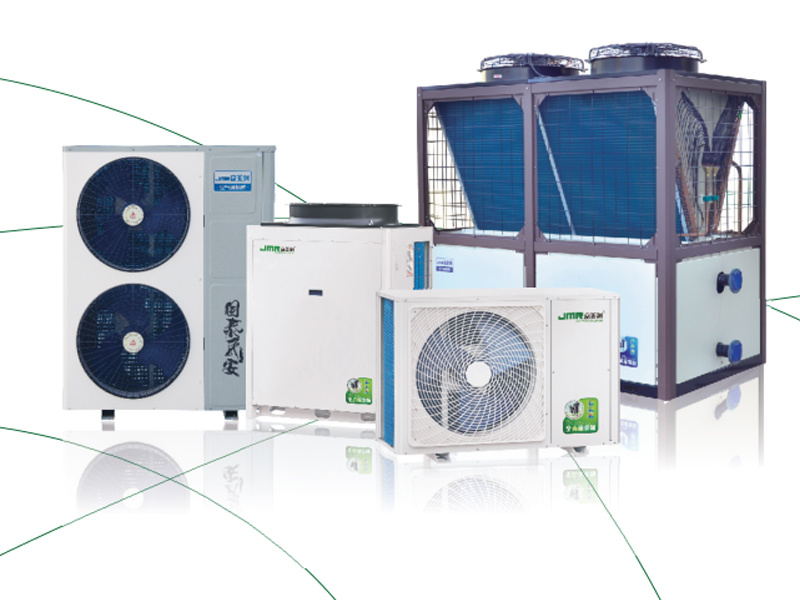
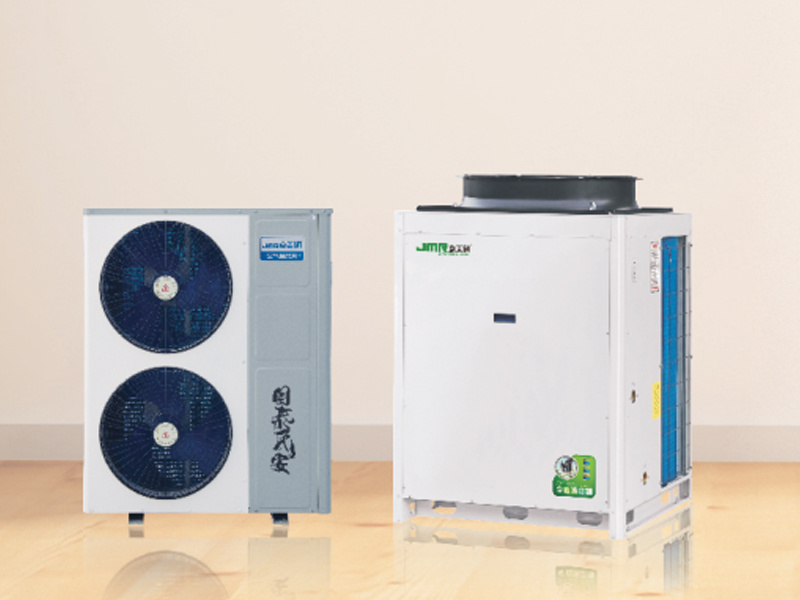
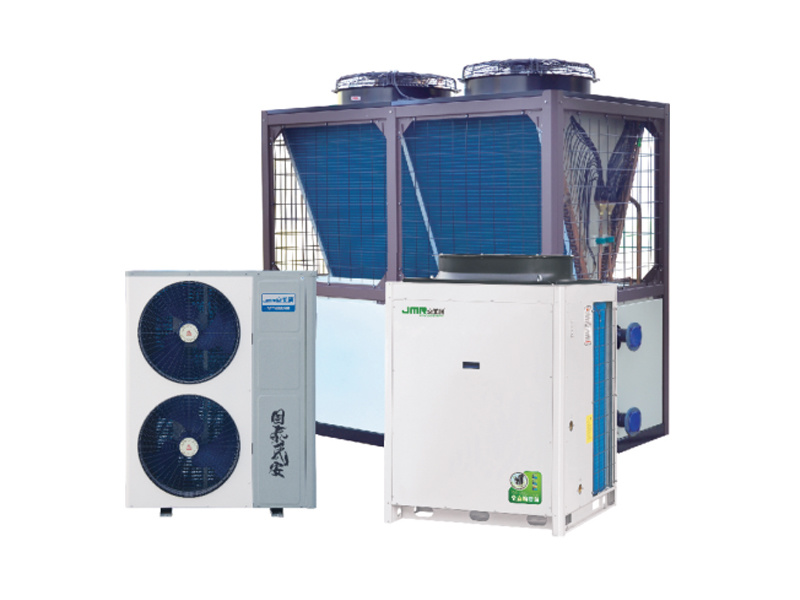
A **water temperature air source heat pump (ASHP)** is a type of heating and cooling system that extracts heat from the outside air and transfers it indoors to maintain a comfortable temperature. Unlike traditional heating systems, which rely on fossil fuels or electricity, ASHPs utilize renewable energy by harnessing ambient air temperature. This makes them an environmentally friendly option.
The heat pump operates by absorbing heat from the outdoor air, even in cold conditions, and then compressing it to increase its temperature. The heated air is then circulated through your home, providing warmth when needed. This process not only benefits your heating needs but also contributes to reducing your carbon footprint.
3. How Does a Water Temperature Air Source Heat Pump Work?
Understanding the operational mechanics of a water temperature ASHP is key to optimizing its efficiency. The system comprises four main components: an evaporator, a compressor, a condenser, and an expansion valve.
- **Evaporator**: The process begins with the evaporator, which absorbs heat from the outdoor air. The refrigerant inside the evaporator absorbs this heat and transforms from a liquid state into gas.
- **Compressor**: The gaseous refrigerant is then compressed by the compressor, raising its temperature significantly.
- **Condenser**: The hot gas passes through the condenser, where it releases its heat into the indoor air. As it loses heat, the refrigerant condenses back into a liquid.
- **Expansion Valve**: Finally, the refrigerant passes through the expansion valve, where it experiences a drop in pressure, returning to the evaporator to repeat the cycle.
This continuous cycle efficiently transfers heat and maintains desired indoor temperatures.
4. Benefits of Using Water Temperature Air Source Heat Pumps
Adopting a water temperature air source heat pump comes with numerous advantages:
1. **Energy Efficiency**: ASHPs can reduce energy consumption by up to 50% compared to conventional heating methods.
2. **Environmentally Friendly**: By utilizing renewable energy from the air, these systems contribute to lower greenhouse gas emissions.
3. **Versatility**: They offer both heating and cooling capabilities, making them suitable for year-round climate control.
4. **Cost-Effective**: Over time, reduced energy bills can lead to significant savings, making ASHPs a wise investment.
5. **Low Maintenance**: With fewer moving parts compared to traditional heating systems, ASHPs require less maintenance and repairs.
5. Optimizing the Performance of Your Heat Pump
To ensure your water temperature air source heat pump operates at its best, consider the following optimization strategies:
5.1 Choosing the Right Size for Your Home
Selecting the appropriate size for your ASHP is crucial. An undersized system will struggle to meet your heating needs, while an oversized unit may cycle on and off too frequently, leading to inefficiency. Engage a professional to conduct a heat load calculation for your home. This assessment will help determine the right size, ensuring maximum efficiency and comfort.
5.2 Regular Maintenance Practices
Regular maintenance is essential for optimal performance. Basic maintenance tasks include:
- **Cleaning Filters**: Dirty filters can restrict airflow, reducing efficiency. Clean or replace filters every month during peak usage months.
- **Inspecting the Outdoor Unit**: Ensure the outdoor unit is free from debris, ice, and vegetation that could obstruct the airflow.
- **Scheduling Professional Inspections**: Annual check-ups by a qualified technician can identify potential issues before they escalate, ensuring your system runs smoothly.
5.3 Utilizing Smart Thermostats
Incorporating a **smart thermostat** can significantly enhance your ASHP's performance. These devices allow for programmable settings, enabling you to adjust temperatures based on your schedule. Features such as remote access and learning algorithms can optimize energy usage, ensuring your home is only heated when necessary.
5.4 Enhancing Home Insulation
Proper insulation is vital for maintaining comfortable indoor temperatures. Poorly insulated homes experience heat loss, leading to increased energy consumption. Evaluate your home's insulation, focusing on:
- **Attics**: Ensure adequate insulation to prevent heat from escaping.
- **Windows and Doors**: Seal gaps and consider double-glazing to minimize drafts.
- **Floors and Walls**: Insulating walls and floors can provide additional thermal barriers.
Investing in insulation improvements will reduce the workload on your heat pump, resulting in increased efficiency.
6. Common Issues and Troubleshooting
Even the most efficient systems can encounter problems. Here are some common issues and their solutions:
- **Insufficient Heating**: If your ASHP is not providing adequate warmth, check the thermostat settings and examine the filters for dirt and clogs.
- **Ice Buildup**: Ice on the outdoor unit can hinder operation. Regularly clear snow and ice and ensure proper airflow around the unit.
- **Unusual Noises**: Loud or strange noises may indicate mechanical issues. Contact a professional if you notice anything abnormal.
By being proactive and addressing these issues promptly, you can enhance your heat pump's longevity and efficiency.
7. Frequently Asked Questions
1. What is the lifespan of a water temperature air source heat pump?
Typically, ASHPs have a lifespan of 15 to 20 years with proper maintenance.
2. Can air source heat pumps work in extremely cold climates?
Yes, modern ASHPs are designed to operate efficiently even in sub-zero temperatures, although performance may decrease.
3. Are air source heat pumps noisy?
While they do produce some noise, advancements in technology have made them much quieter than older models.
4. How much can I save on energy bills with an air source heat pump?
Homeowners can save up to 50% on their heating costs compared to traditional systems, depending on usage and local energy prices.
5. Do I need a backup heating system?
In extremely cold climates, a backup heating system may be beneficial, especially during peak cold periods.
8. Conclusion
Optimizing your home's heating with a water temperature air source heat pump is a smart choice for energy efficiency and environmental sustainability. By understanding how these systems work and implementing strategies for optimization, homeowners can significantly enhance comfort and reduce energy costs. With proper sizing, regular maintenance, and smart technology, you can reap the full benefits of your heat pump, ensuring a warm and inviting atmosphere in your home throughout the year.
Key words:
What Else Might You Learn?