Welcome to Renqiu Aorun Heating Equipment Co., LTD.!


The Ultimate Guide to Choosing the Right Water Temperature Air Source Heat Pump
Release Time:
Jan 07,2026
The Ultimate Guide to Choosing the Right Water Temperature Air Source Heat Pump Table of Contents 1. Introduction to Air Source Heat Pumps 2. What is an Air Source Heat Pump? 3. How Do Air Source Heat Pumps Work? 4. Benefits of Using Air Source Heat Pumps 5. Choosing the Right Water Temperature 5.1 Ideal Water Temperatures for Different Uses 5.
The Ultimate Guide to Choosing the Right Water Temperature Air Source Heat Pump
Table of Contents
- 1. Introduction to Air Source Heat Pumps
- 2. What is an Air Source Heat Pump?
- 3. How Do Air Source Heat Pumps Work?
- 4. Benefits of Using Air Source Heat Pumps
- 5. Choosing the Right Water Temperature
- 6. Types of Air Source Heat Pumps
- 7. Installation Considerations
- 8. Maintenance Tips for Longevity
- 9. Frequently Asked Questions
- 10. Conclusion
1. Introduction to Air Source Heat Pumps
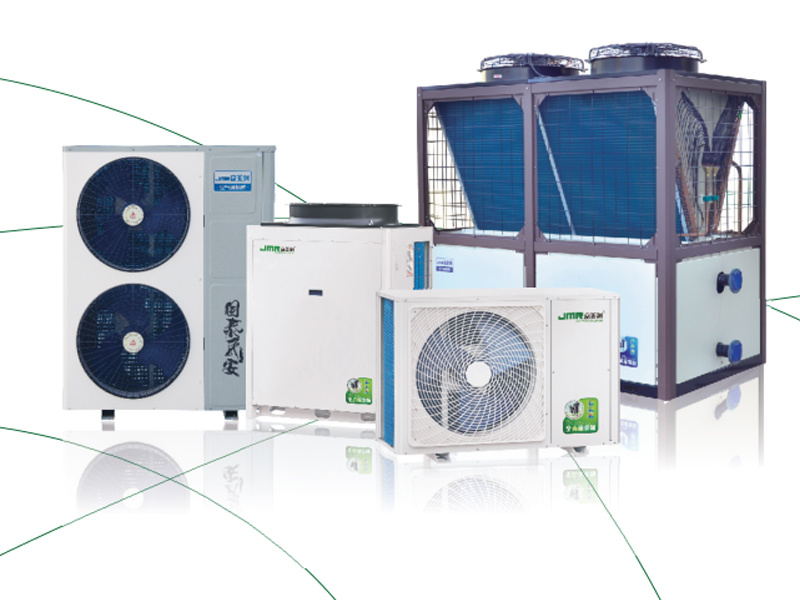
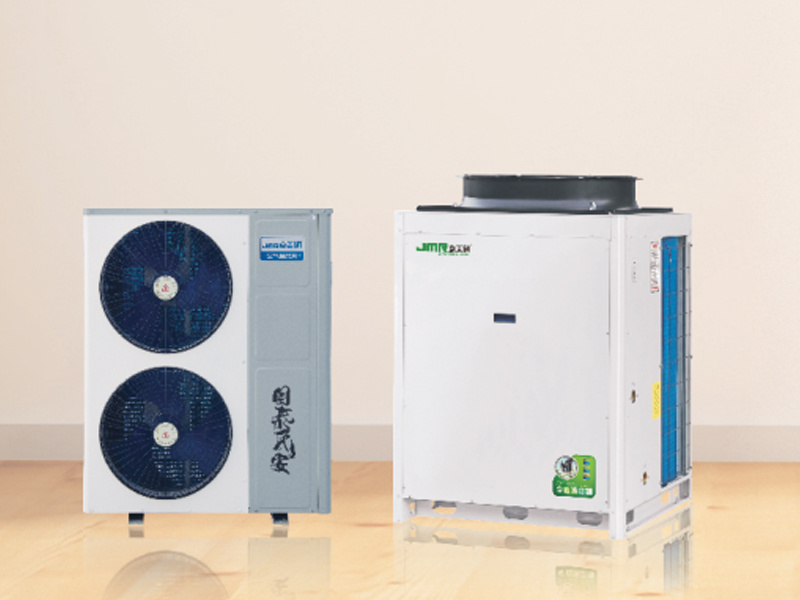
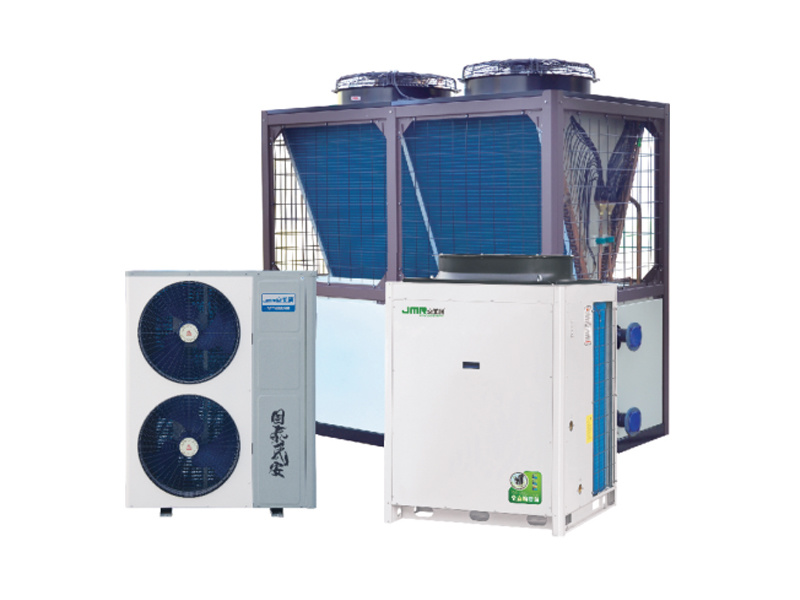
In the quest for energy efficiency and sustainability, **air source heat pumps (ASHPs)** have emerged as a popular solution for heating and cooling residential and commercial spaces. These innovative devices leverage the natural thermal energy found in the air to provide efficient heating and cooling, making them a **cost-effective** and **environmentally friendly** choice.
2. What is an Air Source Heat Pump?
An air source heat pump is a system that transfers heat from the outside air to the inside of a building or vice versa. Using refrigeration technology, ASHPs can extract heat from the air, even in cooler temperatures, and transfer it indoors to provide warmth. Conversely, during warmer months, they can act as an air conditioner by removing heat from the interior and releasing it outside.
3. How Do Air Source Heat Pumps Work?
Air source heat pumps operate on the principles of thermodynamics. The system consists of three primary components: an evaporator, a compressor, and a condenser.
- **Evaporator**: The evaporator absorbs heat from the outside air, even when temperatures are low. A refrigerant circulates through the evaporator, evaporating into gas as it absorbs heat.
- **Compressor**: The gaseous refrigerant is then compressed, raising its temperature significantly.
- **Condenser**: The high-temperature gas moves to the condenser, where it releases heat into the indoor air, warming the space.
This cycle can be reversed in summer, providing cooling by transferring heat outward.
4. Benefits of Using Air Source Heat Pumps
Investing in an air source heat pump offers several advantages:
- **Energy Efficiency**: ASHPs have a high coefficient of performance (COP), meaning they can produce more energy in heat than the electrical energy consumed.
- **Environmental Impact**: Utilizing renewable energy sources significantly reduces carbon emissions, promoting a more sustainable lifestyle.
- **Versatility**: Capable of both heating and cooling, ASHPs provide year-round comfort.
- **Low Operating Costs**: The efficiency of these systems translates into lower utility bills compared to traditional heating methods.
5. Choosing the Right Water Temperature
When selecting an air source heat pump, understanding the **optimal water temperature** is critical for maximizing efficiency and comfort.
5.1 Ideal Water Temperatures for Different Uses
Different applications require varying water temperatures.
- **Space Heating**: Most residential systems operate efficiently with water temperatures between **140°F and 160°F (60°C to 71°C)**.
- **Domestic Hot Water**: For water heating applications, temperatures should be maintained at around **120°F (49°C)** to prevent scalding while ensuring adequate hot water supply.
- **Underfloor Heating**: Lower temperatures of **95°F to 130°F (35°C to 54°C)** are ideal for underfloor heating systems, promoting even warmth distribution.
5.2 Seasonal Considerations for Water Temperature
The outdoor temperature directly influences the efficiency of air source heat pumps.
- **Winter**: In colder months, maintaining a balanced water temperature is vital as efficiency decreases with lower outdoor temperatures. Adjust settings to ensure comfort while maximizing efficiency.
- **Summer**: During warmer months, lower water temperatures may be appropriate for cooling. Adjusting the thermostat can optimize comfort levels without overworking the system.
6. Types of Air Source Heat Pumps
Understanding the different types of air source heat pumps can help you choose the best system for your needs.
- **Air-to-Air Heat Pumps**: These systems transfer heat between the air inside and outside your home. They are ideal for homes that require heating and cooling without the need for hot water.
- **Air-to-Water Heat Pumps**: These models are designed to heat water for domestic use and can be used in conjunction with radiators or underfloor heating.
- **Ducted vs. Ductless Systems**: Ducted systems require existing ductwork, while ductless systems (mini-split systems) can be installed in homes without ductwork, offering more flexibility.
7. Installation Considerations
Proper installation is crucial for optimal performance. Key factors include:
- **Location**: The outdoor unit should be placed in a location with sufficient airflow and away from obstructions.
- **Sizing**: Choosing the right size heat pump is critical. An undersized system will struggle to maintain temperature, while an oversized unit may cycle too frequently.
- **Professional Installation**: Hiring a qualified technician ensures that the system is installed correctly, maximizing efficiency and lifespan.
8. Maintenance Tips for Longevity
Regular maintenance enhances the performance and longevity of your air source heat pump. Consider the following:
- **Regular Inspections**: Annual professional inspections can identify potential issues before they become serious problems.
- **Cleaning**: Keeping the outdoor unit free from debris and cleaning filters regularly improves airflow and efficiency.
- **Thermostat Checks**: Ensure the thermostat is functioning correctly and calibrated for accurate readings.
9. Frequently Asked Questions
1. What is the lifespan of an air source heat pump?
Air source heat pumps generally last between **15 to 20 years** with proper maintenance.
2. Can air source heat pumps work in cold climates?
Yes, modern air source heat pumps are designed to perform efficiently even in colder temperatures, though efficiency may decrease below freezing.
3. How much can I save on energy bills with an air source heat pump?
Homeowners can expect to save **30-50%** on energy costs compared to traditional heating systems, depending on usage.
4. Do I need a backup heating system?
While many systems are efficient in cold weather, having a backup heat source may be beneficial for extremely low temperatures.
5. Are air source heat pumps noisy?
Most units operate quietly, with noise levels comparable to that of a refrigerator. Location placement can further minimize noise concerns.
10. Conclusion
Choosing the right water temperature air source heat pump is pivotal for achieving energy efficiency and comfort in your home. Understanding the types of heat pumps, their workings, and the significance of water temperature will empower you to make an informed decision. By taking into consideration the installation and maintenance factors discussed, you can ensure that your investment delivers optimal performance for years to come. Embrace the potential of air source heat pumps and enjoy a sustainable, comfortable living environment.
Key words:
What Else Might You Learn?