Welcome to Renqiu Aorun Heating Equipment Co., LTD.!


Understanding Heating Air Source Heat Pumps: A Key to Efficient Home Heating
Release Time:
Dec 19,2025
Heating air source heat pumps are innovative devices designed to transfer heat from the outside air into your home, providing an efficient heating solution. Unlike traditional heating systems that rely on fossil fuels, these pumps utilize electricity to move heat rather than generate it. This process makes them significantly more energy-efficient, as they can deliver up to three times more heat en
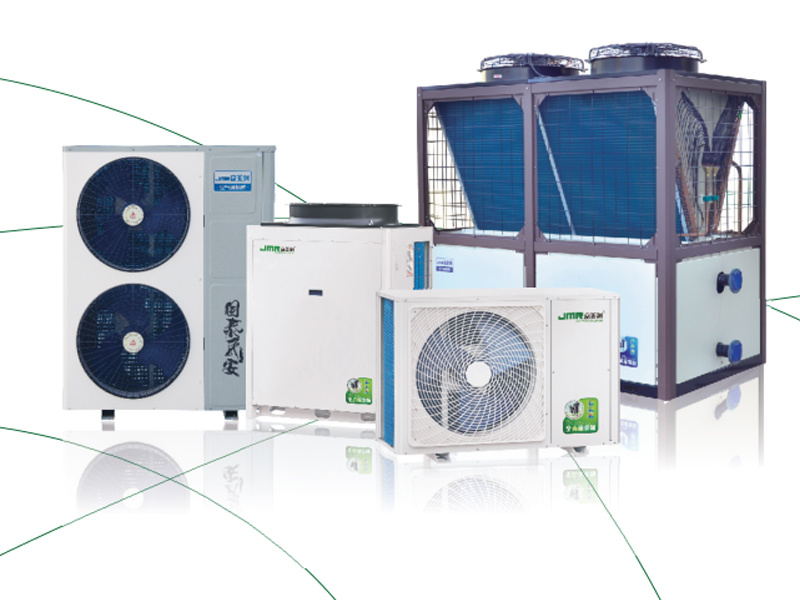
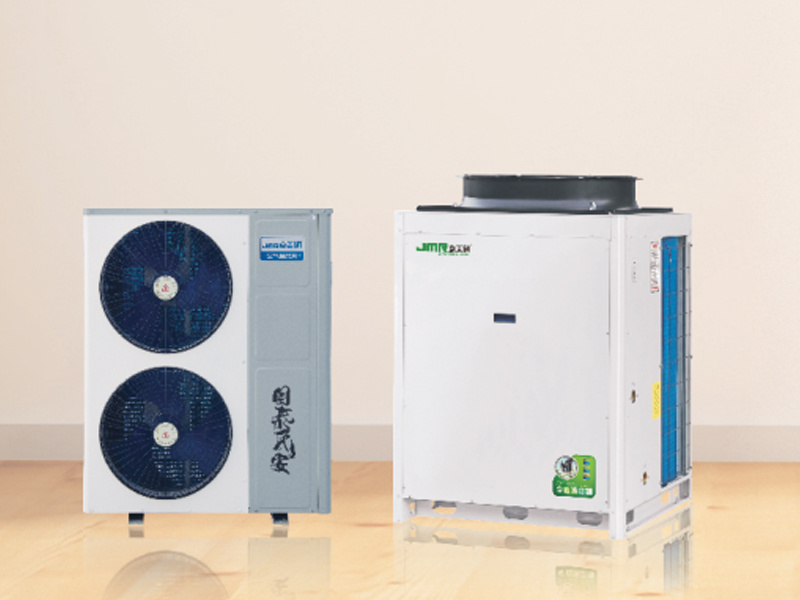
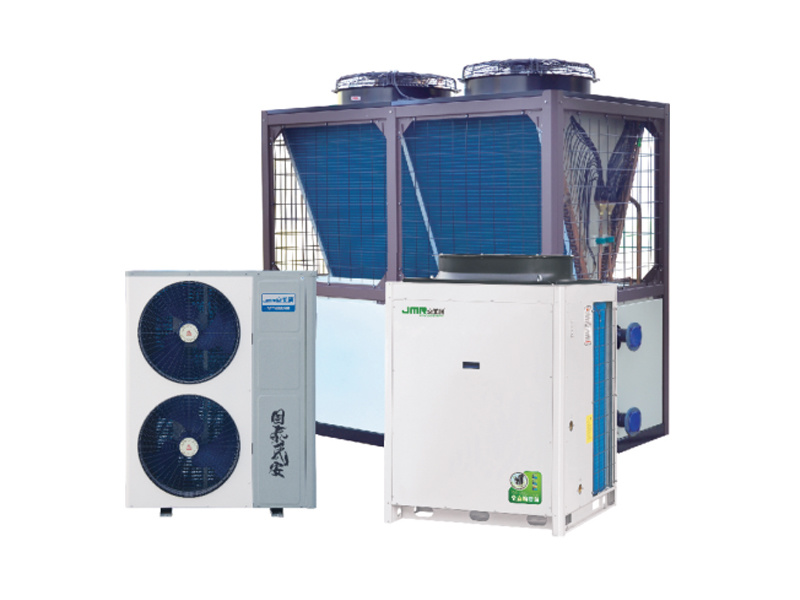
Heating air source heat pumps are innovative devices designed to transfer heat from the outside air into your home, providing an efficient heating solution. Unlike traditional heating systems that rely on fossil fuels, these pumps utilize electricity to move heat rather than generate it. This process makes them significantly more energy-efficient, as they can deliver up to three times more heat energy than the electrical energy they consume.
One of the primary advantages of heating air source heat pumps is their environmental impact. By using ambient air as a heat source, they reduce greenhouse gas emissions and reliance on non-renewable energy sources. This aligns with the growing demand for eco-friendly appliances, making these systems an attractive option for consumers looking to minimize their carbon footprint.
In addition to environmental benefits, heating air source heat pumps offer significant cost savings. Although the initial installation costs may be higher than traditional heating systems, the long-term savings on energy bills can be substantial. These units typically operate effectively in a variety of climates, although performance may decrease in extremely cold temperatures. To address this, many models come equipped with backup heating systems, ensuring consistent warmth throughout the winter months.
When considering a heating air source heat pump, it's essential to evaluate factors such as the unit's size, efficiency ratings, and noise levels. Proper sizing is crucial, as an oversized unit can lead to inefficiencies and increased wear, while an undersized unit may struggle to maintain comfortable temperatures. Efficiency ratings, commonly expressed as the Seasonal Energy Efficiency Ratio (SEER) or Heating Seasonal Performance Factor (HSPF), provide insight into a system's energy consumption and performance.
Moreover, noise levels can vary significantly among different models. For residential applications, quieter units are often preferred to maintain a pleasant living environment. Researching and comparing models can help professionals make informed recommendations to clients.
In conclusion, heating air source heat pumps represent a forward-thinking solution for home heating needs, combining efficiency with environmental responsibility. For professionals in the consumer electronics and small appliance sectors, understanding these systems can enhance client interactions and drive sales. As the demand for sustainable heating solutions continues to rise, becoming knowledgeable about heating air source heat pumps can position you as a trusted advisor in your field.
One of the primary advantages of heating air source heat pumps is their environmental impact. By using ambient air as a heat source, they reduce greenhouse gas emissions and reliance on non-renewable energy sources. This aligns with the growing demand for eco-friendly appliances, making these systems an attractive option for consumers looking to minimize their carbon footprint.
In addition to environmental benefits, heating air source heat pumps offer significant cost savings. Although the initial installation costs may be higher than traditional heating systems, the long-term savings on energy bills can be substantial. These units typically operate effectively in a variety of climates, although performance may decrease in extremely cold temperatures. To address this, many models come equipped with backup heating systems, ensuring consistent warmth throughout the winter months.
When considering a heating air source heat pump, it's essential to evaluate factors such as the unit's size, efficiency ratings, and noise levels. Proper sizing is crucial, as an oversized unit can lead to inefficiencies and increased wear, while an undersized unit may struggle to maintain comfortable temperatures. Efficiency ratings, commonly expressed as the Seasonal Energy Efficiency Ratio (SEER) or Heating Seasonal Performance Factor (HSPF), provide insight into a system's energy consumption and performance.
Moreover, noise levels can vary significantly among different models. For residential applications, quieter units are often preferred to maintain a pleasant living environment. Researching and comparing models can help professionals make informed recommendations to clients.
In conclusion, heating air source heat pumps represent a forward-thinking solution for home heating needs, combining efficiency with environmental responsibility. For professionals in the consumer electronics and small appliance sectors, understanding these systems can enhance client interactions and drive sales. As the demand for sustainable heating solutions continues to rise, becoming knowledgeable about heating air source heat pumps can position you as a trusted advisor in your field.
Key words:
What Else Might You Learn?