Welcome to Renqiu Aorun Heating Equipment Co., LTD.!


How Heating with Air Source Heat Pumps Can Save You Money
Release Time:
Dec 16,2025
How Heating with Air Source Heat Pumps Can Save You Money Understanding Air Source Heat Pumps Air source heat pumps (ASHPs) are innovative heating systems designed to extract heat from the outside air and transfer it indoors. They operate on the principle of thermodynamics, utilizing refrigerants to absorb and release heat. This technology allows ASHPs to provide both heating and cooling, making t
How Heating with Air Source Heat Pumps Can Save You Money
Understanding Air Source Heat Pumps
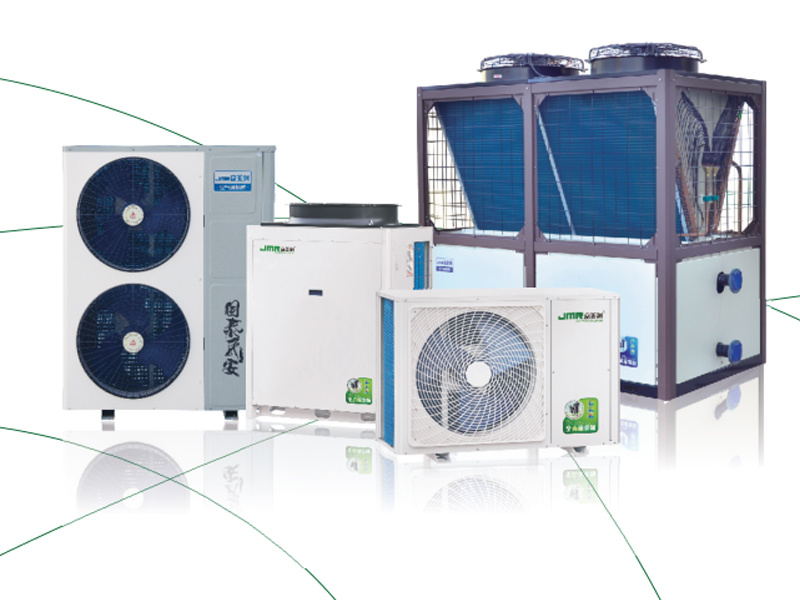
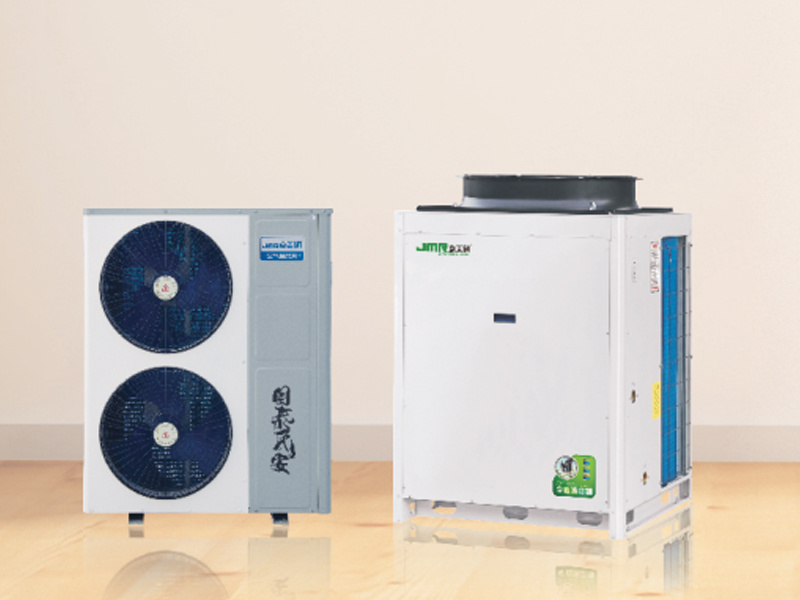
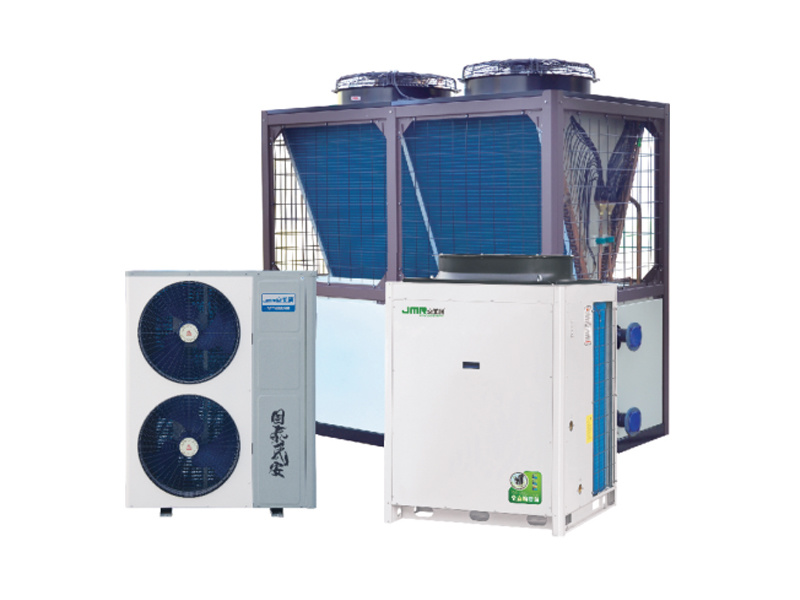
Air source heat pumps (ASHPs) are innovative heating systems designed to extract heat from the outside air and transfer it indoors. They operate on the principle of thermodynamics, utilizing refrigerants to absorb and release heat. This technology allows ASHPs to provide both heating and cooling, making them versatile solutions for year-round climate control.
What Sets Air Source Heat Pumps Apart?
Unlike traditional heating systems that burn fossil fuels or use electric resistance heating, air source heat pumps leverage renewable energy. They can deliver up to three times more energy in heating than they consume in electricity. This unparalleled efficiency makes them a savvy choice for homeowners looking to reduce energy costs and environmental impact.
Key Components of Air Source Heat Pumps
An ASHP consists of three main components:
1. **Compressor**: Circulates refrigerant through the system, raising its temperature.
2. **Condenser**: Transfers the absorbed heat into your home.
3. **Expansion Valve**: Lowers the pressure of the refrigerant, allowing it to cool down and repeat the cycle.
Cost Savings with Air Source Heat Pumps
Investing in an air source heat pump can lead to significant savings over time. Here, we break down the various ways these systems contribute to lowering your heating bills.
Energy Efficiency and Reduced Utility Costs
Air source heat pumps are highly efficient. The average ASHP can achieve a coefficient of performance (COP) of 3 or higher, meaning for every unit of electricity consumed, it produces three units of heat. This efficiency translates to lower monthly energy bills, particularly in moderate climates where temperatures rarely drop below freezing.
Government Incentives and Rebates
In many regions, governments offer financial incentives to encourage homeowners to switch to energy-efficient heating solutions. These incentives can include tax credits, rebates, and grants, substantially lowering the upfront costs of purchasing and installing an ASHP. Homeowners should check local programs to maximize their savings.
Long-Term Savings on Maintenance and Repairs
Air source heat pumps generally require less maintenance than traditional heating systems. With fewer moving parts and no need for combustion, the wear-and-tear associated with furnaces or boilers is reduced. This reliability means homeowners can save on maintenance costs over the system's lifespan.
The Environmental Benefits of Air Source Heat Pumps
Choosing an air source heat pump not only saves you money but also helps the environment. Here’s how:
Reduction in Carbon Footprint
By utilizing renewable energy from the air, ASHPs significantly lower greenhouse gas emissions compared to fossil-fuel heating systems. This means that by heating your home with an ASHP, you contribute to a cleaner atmosphere and a healthier planet.
Promotion of Sustainable Energy Use
Air source heat pumps can work in conjunction with renewable energy sources like solar panels. By combining these technologies, homeowners can create a sustainable energy system that operates independently from the grid, further reducing energy costs and reliance on non-renewable resources.
Factors to Consider When Choosing an Air Source Heat Pump
Before making the switch to an air source heat pump, it’s essential to evaluate several factors to ensure it’s the right fit for your home.
Climate Considerations
While air source heat pumps are effective in various climates, their efficiency can be influenced by extreme cold. Homeowners in colder regions may need a supplementary heating source. However, modern ASHPs are designed to operate efficiently even in lower temperatures, making them increasingly viable in diverse environments.
Home Insulation and Efficiency
To maximize the benefits of an air source heat pump, it’s crucial to ensure your home is well-insulated. Poor insulation can lead to heat loss, diminishing the effectiveness of your heating system. Investing in insulation improvements can further enhance energy efficiency and savings.
Choosing the Right Size and Model
Selecting the appropriately sized air source heat pump for your home is vital. An undersized unit may struggle to heat your space effectively, while an oversized unit can lead to inefficiencies and increased wear. Consulting with a professional installer can help you determine the best option for your needs.
Installation Process of Air Source Heat Pumps
Understanding the installation process can help homeowners prepare for the transition to air source heat pumps.
Site Assessment
Before installation, a qualified technician will conduct a site assessment to determine the best location for the indoor and outdoor units. Factors such as exposure to sunlight, wind, and existing ductwork will influence the decision.
Installation Steps
1. **Removing Old Equipment**: If replacing an existing heating system, the old unit will be safely removed.
2. **Installing Outdoor Unit**: The outdoor compressor is mounted on a solid base, typically elevated to prevent flooding.
3. **Indoor Unit Installation**: Depending on the type of ASHP (ducted or ductless), the indoor unit will be installed to ensure optimal airflow.
4. **Connecting Refrigerant Lines**: Refrigerant lines are secured, ensuring there are no leaks.
5. **Electrical Connections**: The system is connected to the electrical supply and tested for safety.
6. **Final Inspection**: A thorough inspection ensures everything is operational before the homeowner begins using the system.
Air Source Heat Pumps in Comparison to Other Heating Options
To appreciate the advantages of air source heat pumps, it's essential to compare them to other common heating systems.
Air Source Heat Pumps vs. Gas Furnaces
Gas furnaces are a popular choice for heating due to their effectiveness. However, they rely on fossil fuels, which can be more expensive and environmentally harmful. In contrast, air source heat pumps use renewable energy, resulting in lower operational costs and reduced emissions.
Air Source Heat Pumps vs. Electric Resistance Heaters
While electric resistance heaters can provide quick heat, they are often less efficient and can lead to higher electricity bills. Air source heat pumps offer a more economical and sustainable alternative for heating your home.
Air Source Heat Pumps vs. Geothermal Systems
Geothermal systems are highly efficient, but their installation can be costly and complex. Air source heat pumps, on the other hand, are easier to install, making them a more accessible option for many homeowners while still offering significant energy savings.
Frequently Asked Questions About Air Source Heat Pumps
1. How long do air source heat pumps last?
Air source heat pumps typically last between 15 to 20 years with proper maintenance. Regular servicing can extend their lifespan and ensure optimal performance.
2. Do air source heat pumps work in winter?
Yes, modern air source heat pumps are designed to operate efficiently in winter, although their performance may be slightly reduced in extreme cold. They can still provide effective heating.
3. Are air source heat pumps noisy?
Air source heat pumps can produce some noise during operation, similar to a refrigerator. However, newer models are designed to be quieter and more efficient.
4. Can air source heat pumps provide hot water?
Yes, some air source heat pumps can be integrated with hot water systems, providing both heating and hot water solutions for your home.
5. What are the installation costs for air source heat pumps?
Installation costs can vary based on the size and complexity of the system, but homeowners can expect to pay between $3,500 to $8,000 on average. This cost is often offset by energy savings and available rebates.
Conclusion
Heating your home with air source heat pumps is not only a financially savvy decision but also an environmentally responsible choice. By leveraging renewable energy, these systems transform the way we think about heating and cooling, offering substantial savings on energy bills and reducing our carbon footprint. As technology advances and incentives become more accessible, the adoption of air source heat pumps will likely continue to grow, making them a cornerstone of modern energy-efficient living. With careful consideration and proper installation, homeowners can enjoy the myriad benefits these innovative heating systems have to offer.
Key words:
What Else Might You Learn?