Welcome to Renqiu Aorun Heating Equipment Co., LTD.!


Understanding Low Temperature Air Source Heat Pumps: A Comprehensive Guide
Release Time:
Dec 01,2025
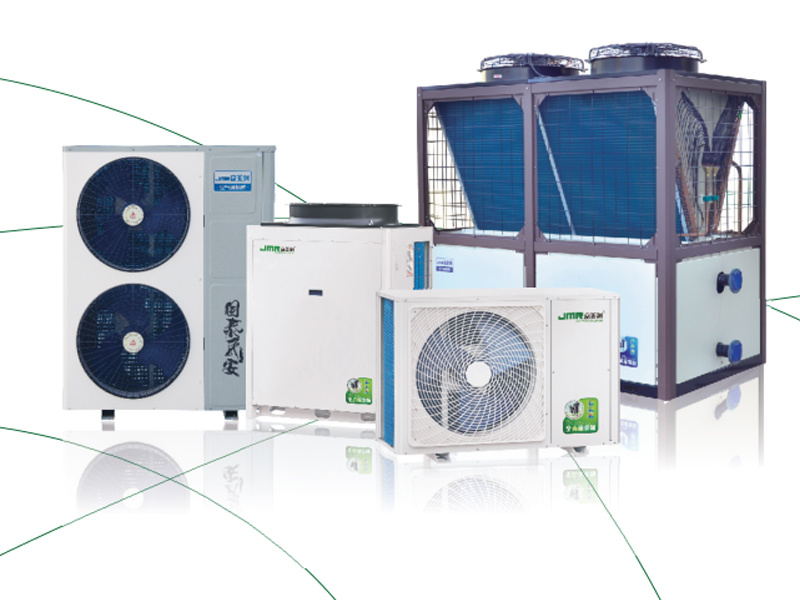
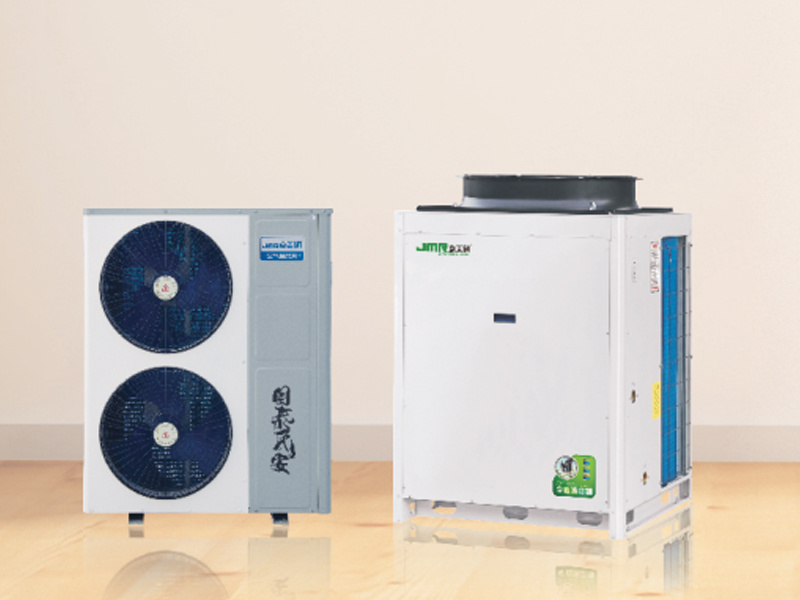
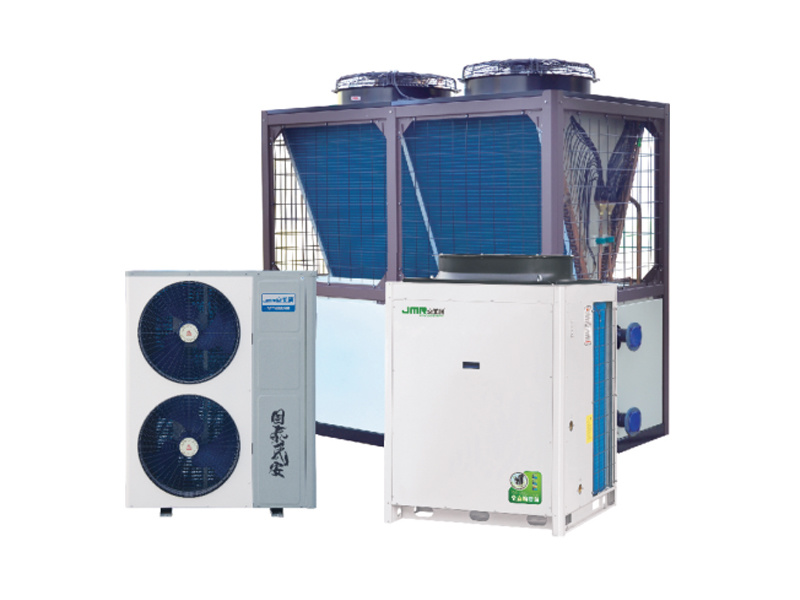
Low temperature air source heat pumps are innovative heating solutions designed to extract heat from the outside air, even in colder climates. Unlike traditional heating methods, these systems efficiently harness ambient air, providing an eco-friendly alternative to fossil fuel-based heating. This technology is particularly beneficial for those seeking sustainable heating options in their homes. O
Low temperature air source heat pumps are innovative heating solutions designed to extract heat from the outside air, even in colder climates. Unlike traditional heating methods, these systems efficiently harness ambient air, providing an eco-friendly alternative to fossil fuel-based heating. This technology is particularly beneficial for those seeking sustainable heating options in their homes.
One of the primary advantages of low temperature air source heat pumps is their energy efficiency. They operate on the principle of heat transfer rather than combustion, which means they use significantly less energy to produce heat. As a result, homeowners can enjoy reduced energy bills while contributing to environmental conservation. By understanding how these systems work, users can appreciate the potential savings and reduced carbon footprint associated with their use.
Installation is an essential consideration for anyone thinking about adopting low temperature air source heat pumps. These systems can be integrated into existing heating infrastructures, making them a versatile option for renovations or new builds. However, proper sizing and placement are crucial for optimal performance. A professional assessment is recommended to ensure that the pump is appropriately sized for the space it will heat. This can prevent inefficiencies and ensure that the system operates effectively throughout the colder months.
Maintenance is another critical aspect of managing a low temperature air source heat pump. Regular servicing can enhance the lifespan of the unit and maintain its efficiency. Homeowners should be aware of filters, coils, and other components that may require cleaning or replacement. Simple tasks such as keeping the outdoor unit clear of debris can make a significant difference in performance.
Moreover, these heat pumps can also work in conjunction with other heating systems, such as gas heaters, to provide a hybrid approach to home heating. This can be particularly advantageous in extremely cold climates where additional heating methods may be necessary during peak winter conditions. Understanding how to integrate these systems can maximize comfort and efficiency.
In summary, low temperature air source heat pumps represent a forward-thinking approach to heating, combining efficiency with environmental responsibility. For consumers considering a transition to more sustainable heating solutions, educating themselves about the functionality, installation requirements, and maintenance of these systems is vital. By doing so, users can enjoy a comfortable living environment while minimizing their impact on the planet.
One of the primary advantages of low temperature air source heat pumps is their energy efficiency. They operate on the principle of heat transfer rather than combustion, which means they use significantly less energy to produce heat. As a result, homeowners can enjoy reduced energy bills while contributing to environmental conservation. By understanding how these systems work, users can appreciate the potential savings and reduced carbon footprint associated with their use.
Installation is an essential consideration for anyone thinking about adopting low temperature air source heat pumps. These systems can be integrated into existing heating infrastructures, making them a versatile option for renovations or new builds. However, proper sizing and placement are crucial for optimal performance. A professional assessment is recommended to ensure that the pump is appropriately sized for the space it will heat. This can prevent inefficiencies and ensure that the system operates effectively throughout the colder months.
Maintenance is another critical aspect of managing a low temperature air source heat pump. Regular servicing can enhance the lifespan of the unit and maintain its efficiency. Homeowners should be aware of filters, coils, and other components that may require cleaning or replacement. Simple tasks such as keeping the outdoor unit clear of debris can make a significant difference in performance.
Moreover, these heat pumps can also work in conjunction with other heating systems, such as gas heaters, to provide a hybrid approach to home heating. This can be particularly advantageous in extremely cold climates where additional heating methods may be necessary during peak winter conditions. Understanding how to integrate these systems can maximize comfort and efficiency.
In summary, low temperature air source heat pumps represent a forward-thinking approach to heating, combining efficiency with environmental responsibility. For consumers considering a transition to more sustainable heating solutions, educating themselves about the functionality, installation requirements, and maintenance of these systems is vital. By doing so, users can enjoy a comfortable living environment while minimizing their impact on the planet.
Key words:
What Else Might You Learn?