Welcome to Renqiu Aorun Heating Equipment Co., LTD.!


Maximizing Comfort and Efficiency with High Efficiency Air Source Heat Pumps
Release Time:
Nov 25,2025
High efficiency air source heat pumps (ASHPs) represent a revolutionary approach to heating, providing an energy-efficient alternative to conventional heating methods, particularly in the realm of consumer electronics and small household appliances like gas heaters. ASHPs operate by extracting heat from the outside air and transferring it indoors, even in low temperatures, making them a versatile
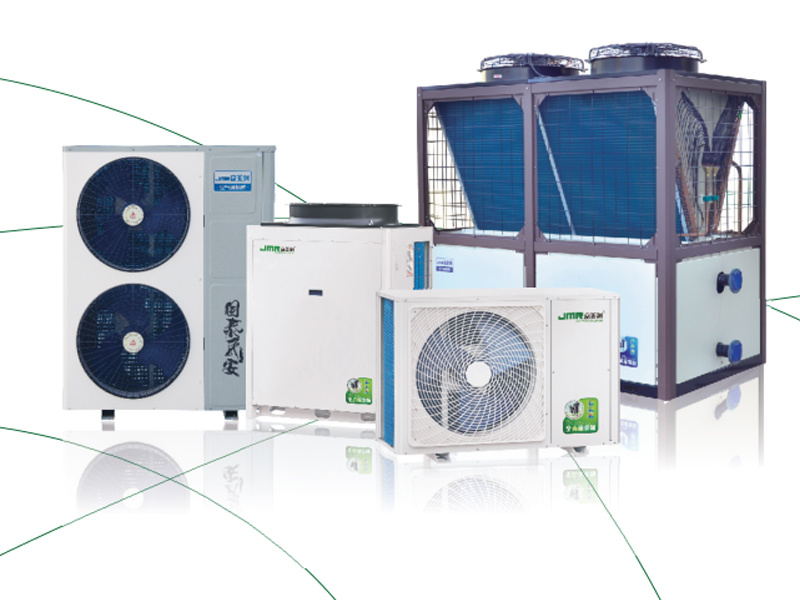
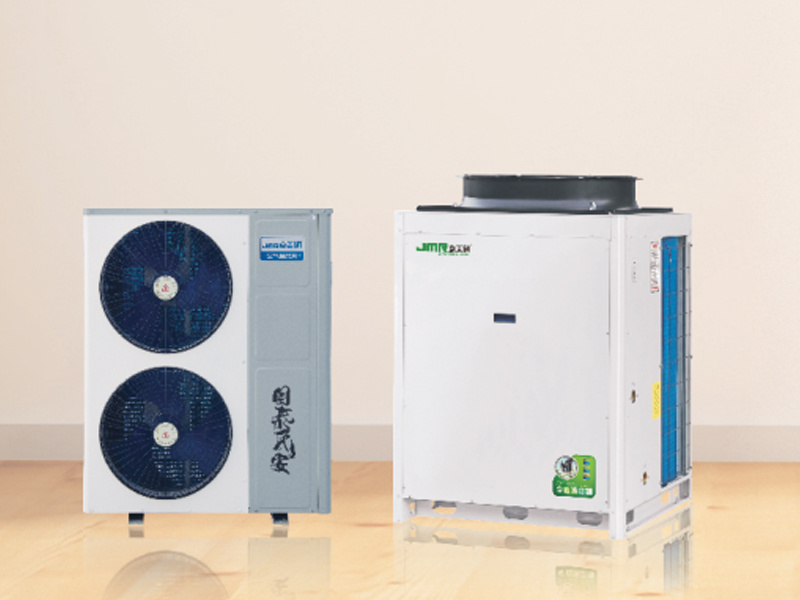
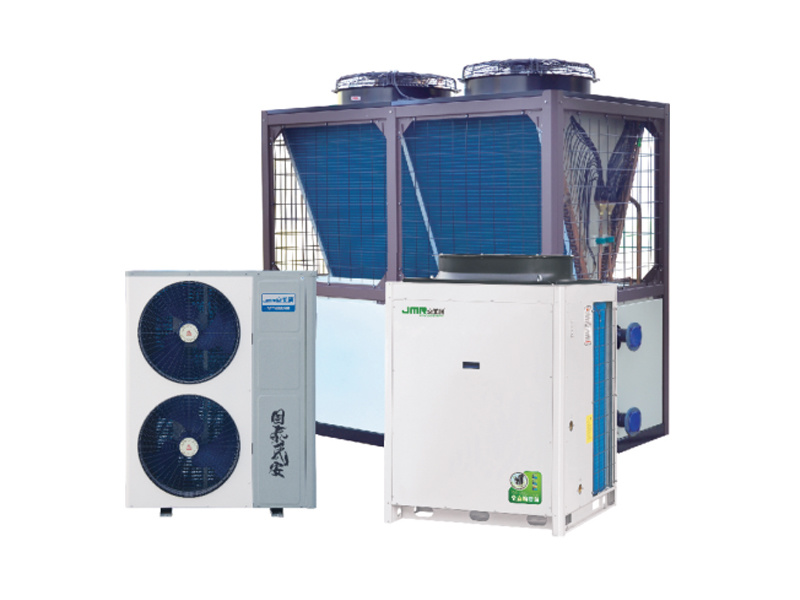
High efficiency air source heat pumps (ASHPs) represent a revolutionary approach to heating, providing an energy-efficient alternative to conventional heating methods, particularly in the realm of consumer electronics and small household appliances like gas heaters. ASHPs operate by extracting heat from the outside air and transferring it indoors, even in low temperatures, making them a versatile option for residential and commercial heating needs.
One of the most significant benefits of high efficiency air source heat pumps is their energy efficiency. They utilize advanced technology to maximize heat extraction, allowing homeowners to maintain comfortable indoor temperatures while reducing energy consumption. This not only leads to lower utility bills but also contributes to a reduced carbon footprint, making ASHPs an environmentally friendly heating option.
When considering high efficiency air source heat pumps, it is essential to understand their performance ratings. The Seasonal Energy Efficiency Ratio (SEER) and Heating Seasonal Performance Factor (HSPF) are key metrics that indicate how well an ASHP performs in various conditions. A higher SEER and HSPF rating signifies better efficiency, which is crucial for ensuring that the system meets your heating demands effectively.
Another important factor to consider is the installation process. Proper sizing and placement of the heat pump are crucial for maximizing efficiency. An oversized unit can lead to short cycling, where the system turns on and off frequently, reducing its overall lifespan and effectiveness. Conversely, an undersized unit may struggle to maintain desired temperatures during peak demand periods. Engaging with a qualified HVAC professional can help you determine the right size and configuration for your space.
Maintenance is also vital for the longevity and efficiency of high efficiency air source heat pumps. Regular checks and servicing can prevent issues that may hinder performance, such as clogged filters or refrigerant leaks. Homeowners should schedule routine maintenance at least once a year to ensure their system runs smoothly and efficiently throughout the heating season.
In conclusion, high efficiency air source heat pumps offer an innovative solution for heating needs, blending comfort with sustainability. By understanding their operation, performance metrics, installation requirements, and maintenance practices, consumers can make informed decisions that enhance their home heating experience. Whether you are upgrading an existing system or exploring new heating options, considering high efficiency air source heat pumps could lead to significant benefits in both comfort and cost savings.
One of the most significant benefits of high efficiency air source heat pumps is their energy efficiency. They utilize advanced technology to maximize heat extraction, allowing homeowners to maintain comfortable indoor temperatures while reducing energy consumption. This not only leads to lower utility bills but also contributes to a reduced carbon footprint, making ASHPs an environmentally friendly heating option.
When considering high efficiency air source heat pumps, it is essential to understand their performance ratings. The Seasonal Energy Efficiency Ratio (SEER) and Heating Seasonal Performance Factor (HSPF) are key metrics that indicate how well an ASHP performs in various conditions. A higher SEER and HSPF rating signifies better efficiency, which is crucial for ensuring that the system meets your heating demands effectively.
Another important factor to consider is the installation process. Proper sizing and placement of the heat pump are crucial for maximizing efficiency. An oversized unit can lead to short cycling, where the system turns on and off frequently, reducing its overall lifespan and effectiveness. Conversely, an undersized unit may struggle to maintain desired temperatures during peak demand periods. Engaging with a qualified HVAC professional can help you determine the right size and configuration for your space.
Maintenance is also vital for the longevity and efficiency of high efficiency air source heat pumps. Regular checks and servicing can prevent issues that may hinder performance, such as clogged filters or refrigerant leaks. Homeowners should schedule routine maintenance at least once a year to ensure their system runs smoothly and efficiently throughout the heating season.
In conclusion, high efficiency air source heat pumps offer an innovative solution for heating needs, blending comfort with sustainability. By understanding their operation, performance metrics, installation requirements, and maintenance practices, consumers can make informed decisions that enhance their home heating experience. Whether you are upgrading an existing system or exploring new heating options, considering high efficiency air source heat pumps could lead to significant benefits in both comfort and cost savings.
Key words:
What Else Might You Learn?