Welcome to Renqiu Aorun Heating Equipment Co., LTD.!


Unveiling the Secrets of High Efficiency Air Source Heat Pumps for Optimal Comfort
Release Time:
Nov 16,2025
Unveiling the Secrets of High Efficiency Air Source Heat Pumps for Optimal Comfort Table of Contents What Are Air Source Heat Pumps? How Do Air Source Heat Pumps Work? Advantages of High Efficiency Air Source Heat Pumps Energy Efficiency and Savings Installation and Maintenance of Air Source Heat Pumps Choosing the Right Model for Your Home Common Misconceptions About
Unveiling the Secrets of High Efficiency Air Source Heat Pumps for Optimal Comfort
Table of Contents
- What Are Air Source Heat Pumps?
- How Do Air Source Heat Pumps Work?
- Advantages of High Efficiency Air Source Heat Pumps
- Energy Efficiency and Savings
- Installation and Maintenance of Air Source Heat Pumps
- Choosing the Right Model for Your Home
- Common Misconceptions About Air Source Heat Pumps
- Frequently Asked Questions
- Conclusion
What Are Air Source Heat Pumps?
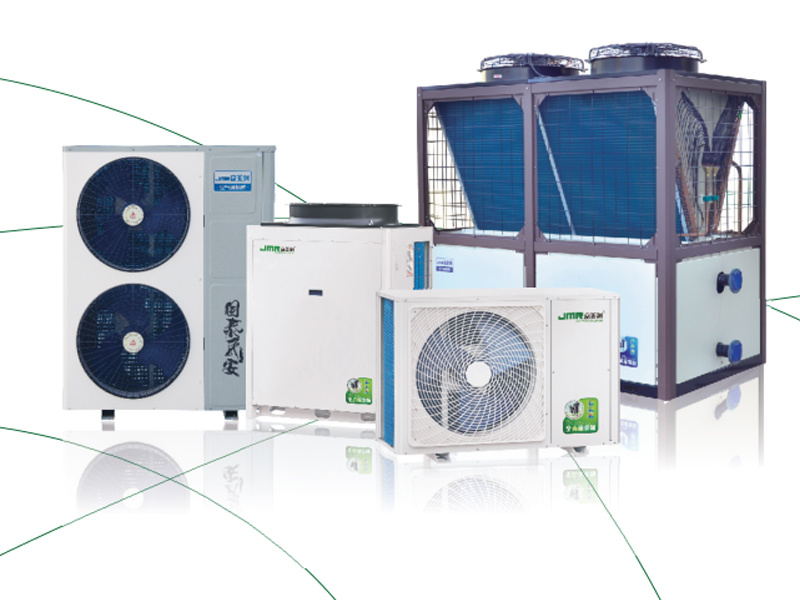
Air source heat pumps (ASHPs) are innovative heating and cooling systems that transfer heat between the outdoors and your home. Unlike traditional heating systems that generate heat, ASHPs extract existing heat from the air, making them an energy-efficient alternative. These systems can effectively provide both heating during the winter and cooling during the summer months, ensuring year-round comfort.
The Components of Air Source Heat Pumps
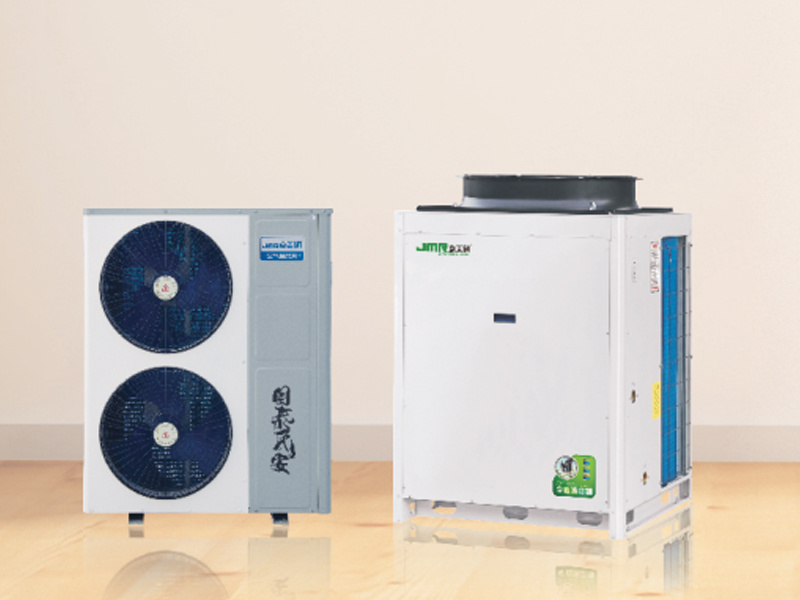
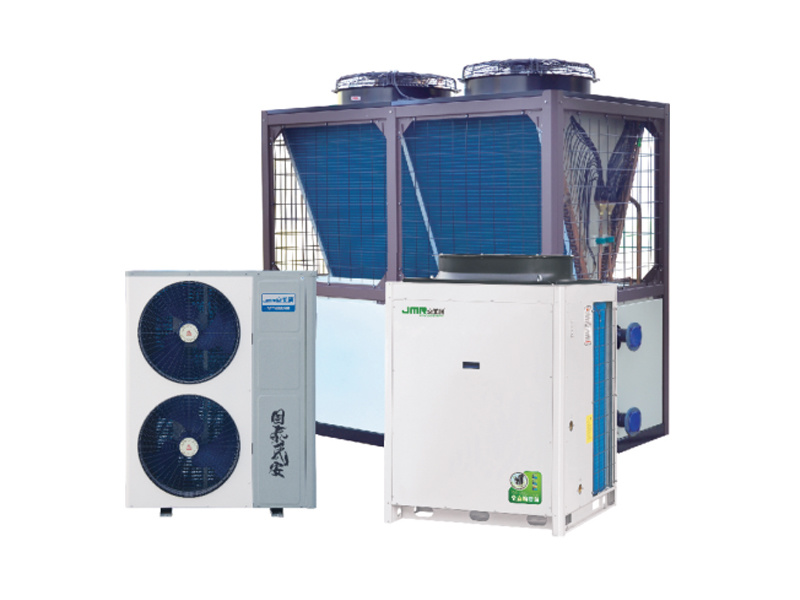
An ASHP consists of several key components: an outdoor unit, an indoor unit, and refrigerant lines connecting the two. The outdoor unit absorbs heat from the air, while the indoor unit distributes warmed or cooled air throughout your living space. This technology allows for a significant reduction in energy consumption compared to conventional heating methods.
How Do Air Source Heat Pumps Work?
The operation of air source heat pumps is based on a scientific principle called the refrigeration cycle. This cycle involves the following steps:
1. **Heat Absorption**: The outdoor unit contains a refrigerant that absorbs heat from the outside air, even in low temperatures.
2. **Compressor**: The heat-laden refrigerant is then compressed, raising its temperature and pressure.
3. **Heat Distribution**: The heated refrigerant flows to the indoor unit, where it releases the absorbed heat into your home through air ducts or radiant systems.
4. **Recycling the Refrigerant**: The cooled refrigerant returns to the outdoor unit to repeat the cycle.
This efficient process allows air source heat pumps to provide more energy than they consume, making them a sustainable choice for homeowners.
Advantages of High Efficiency Air Source Heat Pumps
The advantages of using high-efficiency air source heat pumps are numerous:
1. Energy Efficiency
ASHPs have high Seasonal Energy Efficiency Ratios (SEER) and Heating Seasonal Performance Factors (HSPF), which translate into significant energy savings compared to conventional heating systems.
2. Environmentally Friendly
By relying on renewable heat from the environment, ASHPs reduce greenhouse gas emissions, contributing to a cleaner planet.
3. Versatile Heating and Cooling
ASHPs provide both heating and cooling capabilities, eliminating the need for separate systems, which can save on installation and maintenance costs.
4. Low Operating Costs
The efficiency of ASHPs leads to lower utility bills, allowing homeowners to enjoy optimal comfort without breaking the bank.
5. Increased Property Value
Installing high-efficiency air source heat pumps can enhance your property’s market value, making it an attractive feature for potential buyers.
Energy Efficiency and Savings
When considering energy efficiency, it is crucial to recognize the impact that air source heat pumps have on overall energy consumption. A well-maintained ASHP can achieve efficiency ratings of over 300%, meaning they produce three units of heat for every unit of electricity consumed.
Calculating Savings
To understand potential savings, homeowners can calculate their current heating costs and compare them to the expected costs with an ASHP. Factors to consider include:
- **Current energy rates**
- **Efficiency ratings of existing heating systems**
- **Climate conditions in your area**
Utilizing energy calculators available online can provide a clearer picture of potential savings.
Installation and Maintenance of Air Source Heat Pumps
Proper installation and ongoing maintenance are vital for the optimal performance of air source heat pumps.
1. Professional Installation
Hiring a certified HVAC professional for installation ensures that your ASHP is set up for maximum efficiency. They will assess your home’s heating and cooling needs and recommend the best system size.
2. Routine Maintenance
Regular maintenance is essential to keep your ASHP running efficiently. This includes:
- Checking and replacing filters
- Inspecting refrigerant levels
- Ensuring the outdoor unit is free from debris
Scheduling annual maintenance checks can extend the lifespan of your heat pump and maintain its efficiency.
Choosing the Right Model for Your Home
Selecting the appropriate air source heat pump model involves considering several factors:
1. Size and Capacity
The size of your ASHP should match your home’s heating and cooling requirements. An HVAC professional can perform a Manual J calculation to determine the right size.
2. Efficiency Ratings
Look for models with high SEER and HSPF ratings. Higher ratings indicate better efficiency and lower operating costs.
3. Features and Technology
Modern ASHPs come equipped with advanced features such as smart thermostats and variable-speed compressors, which can further enhance efficiency and comfort.
Common Misconceptions About Air Source Heat Pumps
Despite their advantages, several misconceptions about air source heat pumps persist:
1. Ineffective in Cold Climates
Many people believe that ASHPs do not work well in colder climates. However, modern models are designed to operate efficiently even in freezing temperatures, thanks to advanced defrosting technologies.
2. High Upfront Costs
While the initial investment may be higher than traditional systems, the long-term savings on energy bills often outweigh these costs, making ASHPs a cost-effective choice over time.
3. Noisy Operation
Advancements in technology have led to quieter operation, dispelling fears that ASHPs are excessively noisy compared to other systems.
Frequently Asked Questions
1. How long do air source heat pumps last?
With proper maintenance, air source heat pumps can last between 15 to 20 years.
2. What is the average cost of installing an air source heat pump?
The installation cost can vary widely but typically ranges from $3,500 to $8,000, depending on the system size and complexity of the installation.
3. Can I use an air source heat pump for heating and cooling?
Yes, air source heat pumps are capable of providing both heating and cooling, making them a versatile option for year-round comfort.
4. Are air source heat pumps suitable for all homes?
Most homes can benefit from an ASHP, but factors such as insulation and climate may influence effectiveness. A professional assessment can determine suitability.
5. What maintenance is required for air source heat pumps?
Regular maintenance includes changing filters, checking refrigerant levels, and cleaning the outdoor unit to ensure optimal performance.
Conclusion
High efficiency air source heat pumps represent a significant advancement in home heating and cooling technology. By understanding their operation, advantages, and maintenance requirements, homeowners can make informed decisions that result in improved comfort and reduced energy costs. As awareness of energy efficiency and sustainability grows, the popularity of ASHPs will likely continue to rise, making them an essential consideration for anyone looking to enhance their home’s heating and cooling system. Embrace the future of home comfort and efficiency with an air source heat pump today.
Key words:
What Else Might You Learn?