Welcome to Renqiu Aorun Heating Equipment Co., LTD.!


Transform Your Home: The Benefits of Energy Efficient Heat Pumps
Release Time:
Sep 30,2025
Transform Your Home: The Benefits of Energy Efficient Heat Pumps Table of Contents What Are Heat Pumps? How Do Heat Pumps Work? Benefits of Energy Efficient Heat Pumps Cost Savings Environmental Benefits Space Efficiency Types of Heat Pumps Installation and Maintenance of Heat Pumps Heat Pumps vs. Traditional Heati
Transform Your Home: The Benefits of Energy Efficient Heat Pumps
Table of Contents
- What Are Heat Pumps?
- How Do Heat Pumps Work?
- Benefits of Energy Efficient Heat Pumps
- Types of Heat Pumps
- Installation and Maintenance of Heat Pumps
- Heat Pumps vs. Traditional Heating Systems
- Choosing the Right Heat Pump for Your Home
- Frequently Asked Questions
What Are Heat Pumps?
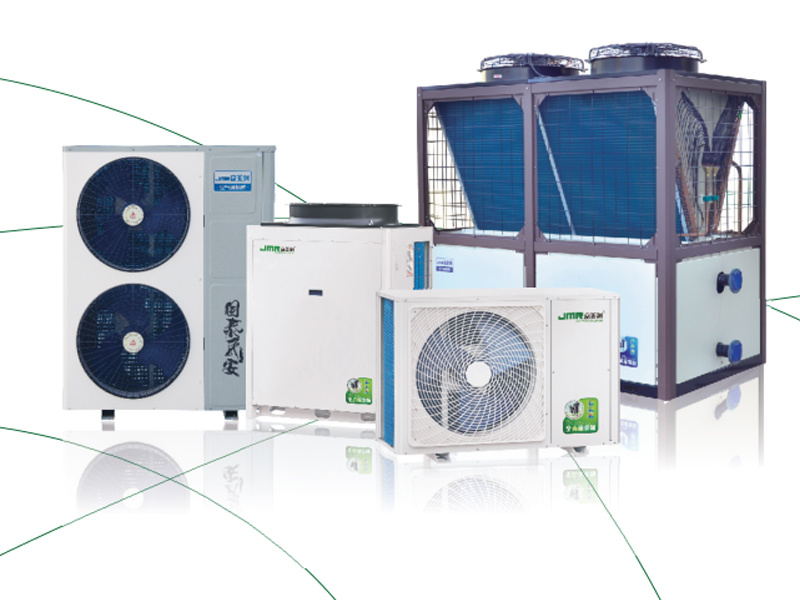
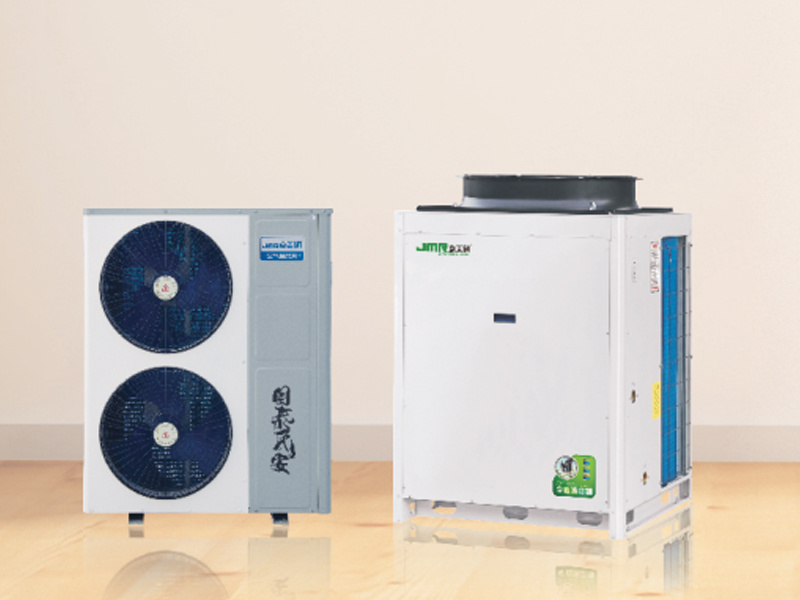
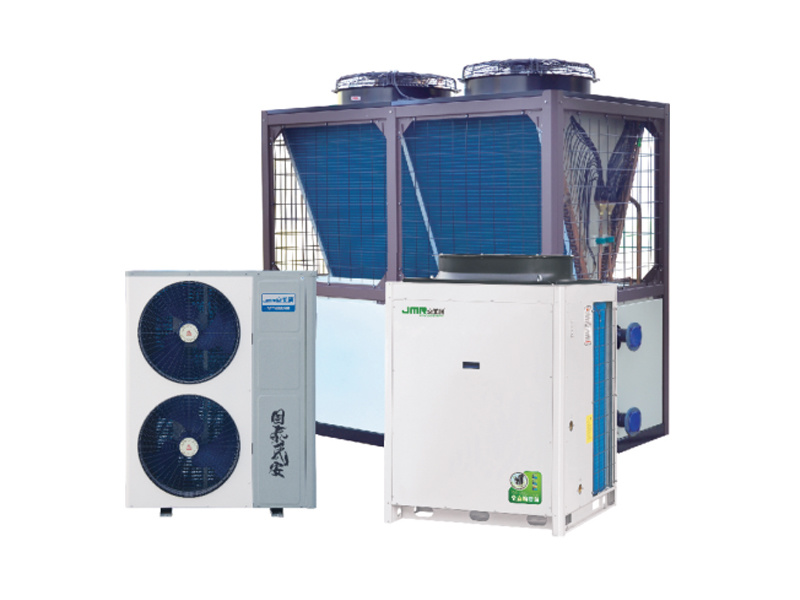
Heat pumps are innovative heating and cooling systems that transfer thermal energy from one location to another. Unlike conventional heating systems that generate heat through combustion or electrical resistance, heat pumps move heat from the outside air or ground into your home, providing a more energy-efficient solution for climate control. This technology is not only a game-changer for residential heating but also for cooling during hot summer months.
How Do Heat Pumps Work?
The operation of heat pumps relies on a refrigeration cycle, which involves the evaporation and condensation of refrigerants. During winter, a heat pump extracts heat from the outside air, even in cold temperatures, and transfers it indoors. In summer, the process reverses, allowing the heat pump to act as an air conditioner by extracting heat from the indoor air and releasing it outside. This dual functionality makes heat pumps a versatile solution for year-round climate control.
Benefits of Energy Efficient Heat Pumps
Cost Savings
One of the primary advantages of energy-efficient heat pumps is their potential for significant cost savings. Compared to traditional heating systems, heat pumps can reduce energy bills by up to 50% due to their higher efficiency rates. While the initial investment may be higher, the long-term savings on energy costs make heat pumps a financially sound choice for homeowners.
Environmental Benefits
Heat pumps contribute to a more sustainable future by reducing greenhouse gas emissions. By utilizing renewable energy sources and consuming less electricity than conventional systems, they lower the carbon footprint of your home. Many models are also compatible with solar energy, further enhancing their environmental benefits. Transitioning to a heat pump system aligns with global efforts to combat climate change.
Space Efficiency
Energy-efficient heat pumps require less space than traditional heating systems. Many designs are compact and can be installed in various locations, including small utility rooms or closets. This space-saving advantage allows homeowners to maximize their living areas without sacrificing comfort.
Types of Heat Pumps
There are several types of heat pumps available, each designed to meet specific heating and cooling needs:
- Air Source Heat Pumps: These heat pumps extract heat from the air, making them suitable for moderate climates.
- Ground Source (Geothermal) Heat Pumps: These systems take advantage of the stable temperatures found underground, offering higher efficiency but requiring more land for installation.
- Water Source Heat Pumps: Ideal for homes located near bodies of water, they use water as a heat exchange medium.
Installation and Maintenance of Heat Pumps
The installation of a heat pump requires professional expertise to ensure optimal performance and efficiency. A qualified technician will assess your home’s specific heating and cooling requirements, recommend the best type of heat pump, and carry out the installation process. Once installed, regular maintenance is crucial. Simple tasks like cleaning filters, checking refrigerant levels, and scheduling annual inspections can enhance the lifespan and efficiency of your heat pump, ensuring it operates at peak performance.
Heat Pumps vs. Traditional Heating Systems
When considering heating options, it is essential to compare heat pumps with traditional heating systems, such as furnaces or electric heaters. Heat pumps provide a more energy-efficient solution by transferring heat rather than generating it through combustion. This results in lower operational costs and a reduced environmental impact. While traditional systems might offer quicker heating in extremely cold conditions, modern heat pumps are designed to perform efficiently even in freezing temperatures, making them a reliable option for various climates.
Choosing the Right Heat Pump for Your Home
Selecting the right heat pump involves various factors, including the size of your home, your specific heating and cooling needs, and your local climate. Homeowners should consider the energy efficiency rating (SEER for cooling, HSPF for heating) to ensure they choose a model that meets their requirements. Consulting with a professional can provide valuable insights and help you make an informed decision tailored to your home’s unique characteristics.
Frequently Asked Questions
1. Are heat pumps effective in very cold climates?
Yes, modern heat pumps are designed to operate efficiently in colder climates. They use advanced technology to extract heat from the air, even at low temperatures.
2. How much can I save on energy costs with a heat pump?
Homeowners can expect to save between 30% to 50% on heating and cooling costs compared to traditional systems, depending on usage and efficiency ratings.
3. What maintenance do heat pumps require?
Heat pumps require regular maintenance, including cleaning or replacing filters, checking refrigerant levels, and scheduling annual professional inspections.
4. Can I install a heat pump myself?
While some components of a heat pump can be installed by homeowners, professional installation is recommended to ensure efficiency and compliance with local codes.
5. How do heat pumps contribute to sustainability?
Heat pumps reduce energy consumption and greenhouse gas emissions by utilizing renewable energy sources and providing a more efficient heating and cooling solution.
Conclusion
Energy-efficient heat pumps are transforming the way we think about home heating and cooling. With their ability to provide substantial cost savings, environmental benefits, and space efficiency, they are an intelligent choice for modern homeowners. By understanding how heat pumps work and their myriad advantages, you can make an informed decision that enhances your home's comfort while contributing to a sustainable future. Embrace the future of home climate control with energy-efficient heat pumps, and experience the difference they can make in your living space.
Key words:
What Else Might You Learn?