Welcome to Renqiu Aorun Heating Equipment Co., LTD.!


Understanding Heat Pump Hot Water Heaters: An Energy-Efficient Solution for Your Home
Release Time:
Sep 09,2025
Heat pump hot water heaters are becoming increasingly popular for homeowners seeking energy-efficient solutions for their hot water needs. Unlike traditional water heaters that rely on electric or gas energy to generate heat, heat pump systems work by transferring heat from the air or ground into the water tank. This innovative approach allows them to operate with significantly less energy, making
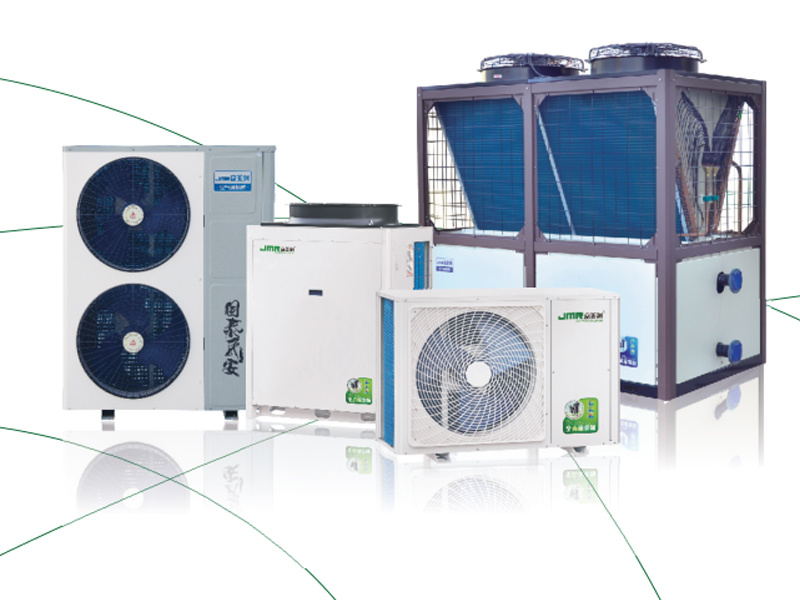
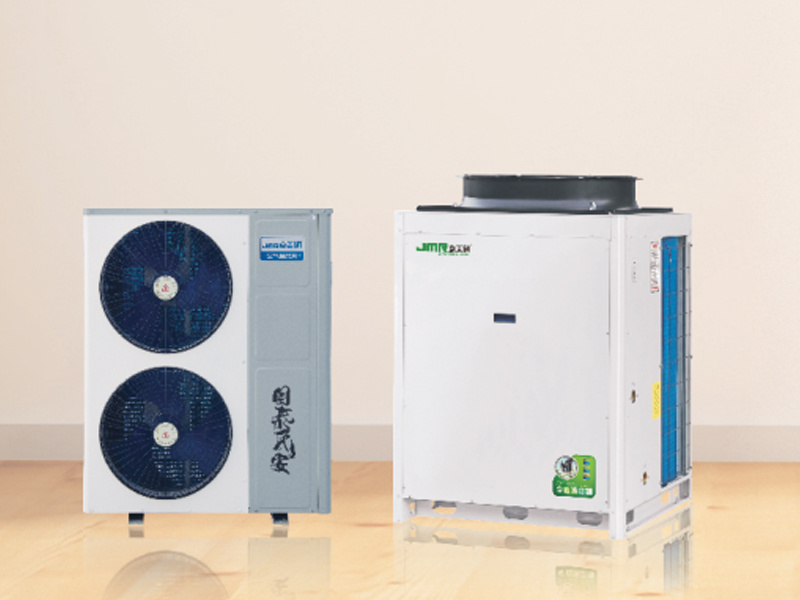
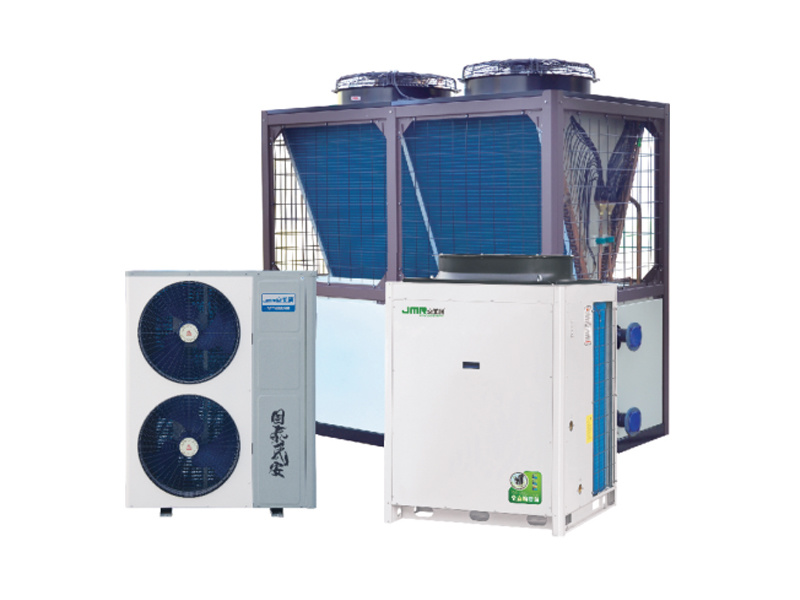
Heat pump hot water heaters are becoming increasingly popular for homeowners seeking energy-efficient solutions for their hot water needs. Unlike traditional water heaters that rely on electric or gas energy to generate heat, heat pump systems work by transferring heat from the air or ground into the water tank. This innovative approach allows them to operate with significantly less energy, making them a cost-effective option in the long run.
One of the primary benefits of a heat pump hot water heater is its energy efficiency. These systems can provide up to three times more energy in hot water than they consume in electricity. This is achieved through a process called heat transfer, where the system absorbs heat from the surrounding environment and uses it to heat the water. The result is lower energy bills and a reduced carbon footprint, which is especially appealing for environmentally conscious homeowners.
Additionally, heat pump hot water heaters are versatile and can be installed in various locations, such as garages, basements, or outdoor areas with adequate airflow. They come in various sizes to accommodate different household hot water demands. While they may have a higher upfront cost compared to traditional heaters, the energy savings over time can make them a wise investment.
Maintenance of heat pump hot water heaters is generally straightforward. Regular inspection and cleaning of the air filter are crucial to ensure optimal performance. Additionally, it's essential to check for any obstructions around the unit that could impede airflow. With minimal maintenance requirements, these systems can provide reliable hot water for years.
Another important consideration when selecting a heat pump hot water heater is climate. These systems are most efficient in moderate climates where ambient temperatures are not excessively low. In colder regions, their efficiency can diminish, but many modern models are designed to operate effectively even in lower temperatures.
Furthermore, heat pump hot water heaters can contribute to a home's overall energy efficiency when combined with other sustainable practices. For example, coupling these systems with solar panels can amplify energy savings and further decrease reliance on conventional energy sources.
In conclusion, heat pump hot water heaters are a forward-thinking choice for homeowners looking to enhance their water heating setup. With their impressive energy efficiency, versatility, and eco-friendly advantages, they represent an excellent option for anyone aiming to reduce their energy consumption and environmental impact. By understanding how these systems work and their benefits, you can make an informed decision that aligns with your household needs and sustainability goals.
One of the primary benefits of a heat pump hot water heater is its energy efficiency. These systems can provide up to three times more energy in hot water than they consume in electricity. This is achieved through a process called heat transfer, where the system absorbs heat from the surrounding environment and uses it to heat the water. The result is lower energy bills and a reduced carbon footprint, which is especially appealing for environmentally conscious homeowners.
Additionally, heat pump hot water heaters are versatile and can be installed in various locations, such as garages, basements, or outdoor areas with adequate airflow. They come in various sizes to accommodate different household hot water demands. While they may have a higher upfront cost compared to traditional heaters, the energy savings over time can make them a wise investment.
Maintenance of heat pump hot water heaters is generally straightforward. Regular inspection and cleaning of the air filter are crucial to ensure optimal performance. Additionally, it's essential to check for any obstructions around the unit that could impede airflow. With minimal maintenance requirements, these systems can provide reliable hot water for years.
Another important consideration when selecting a heat pump hot water heater is climate. These systems are most efficient in moderate climates where ambient temperatures are not excessively low. In colder regions, their efficiency can diminish, but many modern models are designed to operate effectively even in lower temperatures.
Furthermore, heat pump hot water heaters can contribute to a home's overall energy efficiency when combined with other sustainable practices. For example, coupling these systems with solar panels can amplify energy savings and further decrease reliance on conventional energy sources.
In conclusion, heat pump hot water heaters are a forward-thinking choice for homeowners looking to enhance their water heating setup. With their impressive energy efficiency, versatility, and eco-friendly advantages, they represent an excellent option for anyone aiming to reduce their energy consumption and environmental impact. By understanding how these systems work and their benefits, you can make an informed decision that aligns with your household needs and sustainability goals.
Key words:
What Else Might You Learn?