Welcome to Renqiu Aorun Heating Equipment Co., LTD.!


Why Water Temperature Air Source Heat Pumps Are the Future of Home Heating
Release Time:
Aug 31,2025
Why Water Temperature Air Source Heat Pumps Are the Future of Home Heating Table of Contents 1. Introduction to Water Temperature Air Source Heat Pumps 2. How Water Temperature Air Source Heat Pumps Work 3. Advantages of Using Water Temperature Air Source Heat Pumps 3.1 Energy Efficiency 3.2 Reduced Environmental Impact 3.3 Cost-Effectiveness 4. Appl
Why Water Temperature Air Source Heat Pumps Are the Future of Home Heating
Table of Contents
- 1. Introduction to Water Temperature Air Source Heat Pumps
- 2. How Water Temperature Air Source Heat Pumps Work
- 3. Advantages of Using Water Temperature Air Source Heat Pumps
- 4. Applications of Water Temperature Air Source Heat Pumps in Home Heating
- 5. Considerations for Installing Water Temperature Air Source Heat Pumps
- 6. Frequently Asked Questions about Water Temperature Air Source Heat Pumps
- 7. Conclusion
1. Introduction to Water Temperature Air Source Heat Pumps
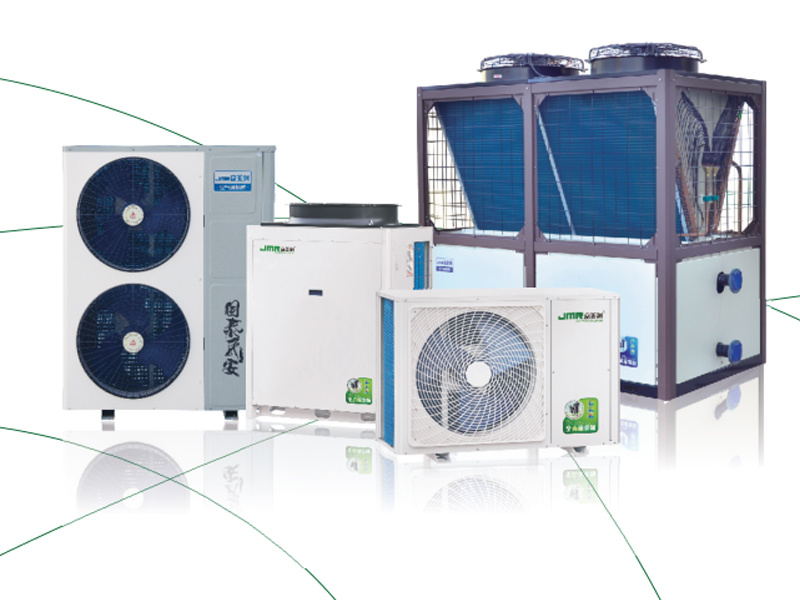
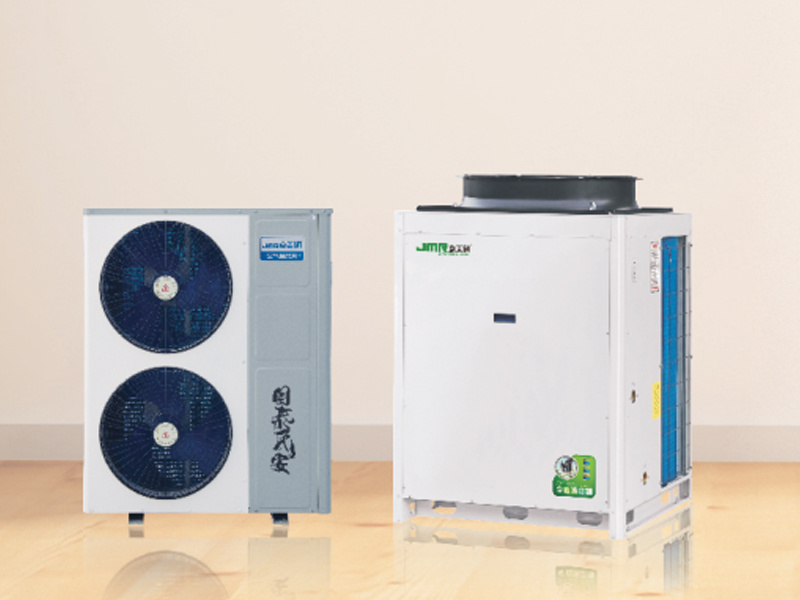
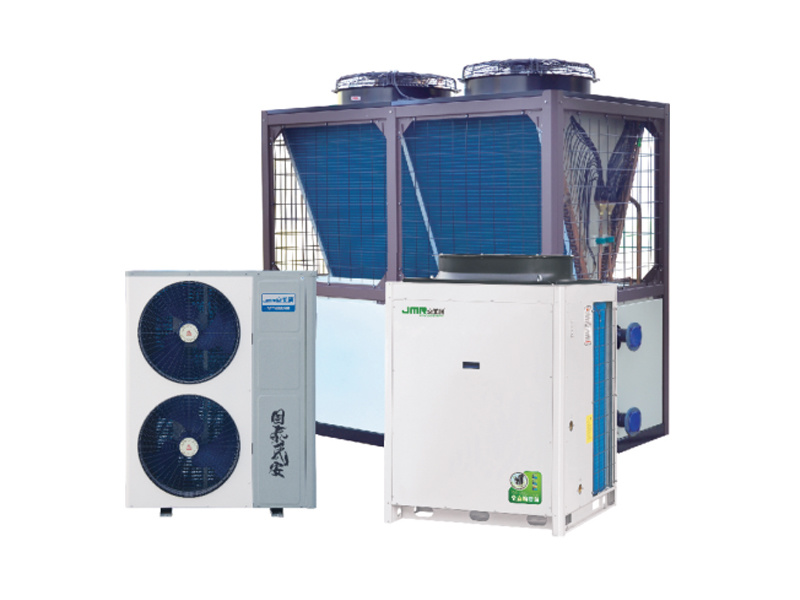
In the quest for a sustainable and efficient heating solution, **water temperature air source heat pumps** (ASHPs) have emerged as a game-changer in the home heating sector. Unlike traditional heating systems that rely on fossil fuels or electric resistance, these innovative devices utilize ambient air to generate heat, making them an eco-friendly alternative for modern households.
As we move towards an era of environmental consciousness, the demand for **renewable energy solutions** has surged. Water temperature air source heat pumps are not only designed to provide comfort during the cold months but also contribute to a significant reduction in carbon emissions and energy costs.
2. How Water Temperature Air Source Heat Pumps Work
Water temperature air source heat pumps operate on a simple yet effective principle known as the **refrigeration cycle**. Here's a breakdown of how these systems function:
2.1 The Refrigeration Cycle Explained
The refrigeration cycle consists of four main components: the evaporator, compressor, condenser, and expansion valve.
- **Evaporator**: The system absorbs heat from the outside air, even in low temperatures, via the evaporator coil. A refrigerant, which changes from a liquid to a gas at low temperatures, flows through the evaporator.
- **Compressor**: The gaseous refrigerant is drawn into the compressor, where its pressure and temperature increase significantly.
- **Condenser**: The high-pressure gas travels to the condenser coil inside the home. Here, it releases the absorbed heat, warming up the water or air that circulates through the heating system.
- **Expansion Valve**: Finally, the refrigerant, now a liquid, passes through the expansion valve, reducing its pressure before returning to the evaporator to repeat the cycle.
2.2 Types of Water Temperature ASHPs
There are two primary types of water temperature air source heat pumps: **ducted** and **ductless** systems. Ducted systems distribute heated air through existing ductwork, while ductless systems utilize individual units to heat specific areas, offering flexibility and efficiency.
3. Advantages of Using Water Temperature Air Source Heat Pumps
Water temperature air source heat pumps offer numerous benefits that make them an attractive choice for homeowners. Let's explore some of these advantages in detail.
3.1 Energy Efficiency
One of the most significant advantages of water temperature air source heat pumps is their **energy efficiency**. These systems can achieve a coefficient of performance (COP) of 3.0 to 4.0, meaning they produce three to four units of heat for every unit of electricity consumed. This high level of efficiency not only reduces energy consumption but also lowers utility bills.
3.2 Reduced Environmental Impact
With the global push towards reducing carbon footprints, water temperature air source heat pumps present an eco-friendly alternative to conventional heating methods. By utilizing renewable energy from the ambient air, they significantly cut greenhouse gas emissions and contribute to a cleaner environment.
3.3 Cost-Effectiveness
While the initial investment in water temperature air source heat pumps may be higher than traditional systems, the long-term savings on energy bills, maintenance costs, and potential government incentives make them a **cost-effective** solution. Homeowners can recoup their investment within a few years, enjoying lower operating costs for decades.
4. Applications of Water Temperature Air Source Heat Pumps in Home Heating
Water temperature air source heat pumps are versatile and can be used in various applications for home heating. Here are some common scenarios:
4.1 Residential Heating
These heat pumps effectively heat residential spaces, whether in new constructions or retrofitting existing homes. They can be integrated into central heating systems or used for localized heating in specific rooms.
4.2 Hot Water Production
In addition to space heating, water temperature air source heat pumps can also be employed for domestic hot water production. This dual functionality further enhances their appeal and efficiency.
4.3 Compatibility with Renewable Energy Sources
Water temperature air source heat pumps can be used alongside other renewable energy systems, such as solar panels. This integration maximizes energy efficiency and promotes sustainable living.
5. Considerations for Installing Water Temperature Air Source Heat Pumps
Before investing in a water temperature air source heat pump, several important factors must be considered:
5.1 Climate
Although water temperature air source heat pumps can operate efficiently in various climates, their performance may decrease in extremely cold conditions. It is crucial to assess your local climate when selecting a system.
5.2 Sizing and Installation
Proper sizing is essential for optimal performance. An oversized or undersized system can lead to inefficiencies and increased wear. It is advisable to consult with professionals for accurate sizing and installation.
5.3 Maintenance
Regular maintenance is necessary to ensure the longevity and efficiency of the system. Homeowners should schedule annual inspections and cleanings to keep their heat pumps running smoothly.
6. Frequently Asked Questions about Water Temperature Air Source Heat Pumps
6.1 What is the lifespan of a water temperature air source heat pump?
Typically, these heat pumps can last 15 to 20 years with proper maintenance.
6.2 Can water temperature air source heat pumps work in cold climates?
Yes, they can work efficiently in cold climates, although their performance may decline in extreme temperatures. Many models are designed specifically for low-temperature environments.
6.3 How much can I save on energy bills with an air source heat pump?
Homeowners can expect to save anywhere from 30% to 50% on heating bills, depending on the system's efficiency and local energy costs.
6.4 Are water temperature air source heat pumps noisy?
Modern heat pumps are designed to operate quietly, with noise levels similar to a refrigerator. However, installation location and system design can impact noise levels.
6.5 Are there any government incentives for installing air source heat pumps?
Many governments offer incentives, rebates, or tax credits for homeowners who install energy-efficient systems. It is advisable to check local programs for eligibility.
7. Conclusion
Water temperature air source heat pumps represent the future of home heating, merging **energy efficiency**, cost savings, and environmental responsibility into one powerful solution. As technology continues to advance and the demand for sustainable heating options grows, these systems will play an increasingly vital role in how we heat our homes. Transitioning to water temperature air source heat pumps is not just an investment in a heating solution; it's an investment in a sustainable future for generations to come.
Key words:
What Else Might You Learn?